The tastes, sips and trends that have shaped Baton Rouge’s culinary scene
Cast your memory back to a time when fried seafood restaurants and basic American spots defined Baton Rouge’s culinary landscape.
In those days, a meager number of sushi restaurants represented gastronomic advancement, and specialty coffee shops were few and far between. So-called foodies felt compelled to travel for dining trends, which seemed to take forever to land in the Capital Region. In those beforetimes, no one had heard of craft cocktails, much less the puzzling term “zero proof.” Smartphones were a fresh concept, meaning food photography was left to the professionals and Instagram was as unheard of as delivery apps.
Fortunately, the food world doesn’t stand still. Trends now zigzag the country like wildfire, and they’re welcomed in Baton Rouge by willing, adventurous diners.
Here are some of the ways our culinary scene has changed over the two decades that 225 has been in print.

1. Small world
Global cuisine has expanded across the region, with restaurants like Brasas Peru, KPot Korean Hot Pot & BBQ, Hikari Ramen and Little Kitchen Filipino Cuisine Baton Rouge signaling a new wave of international flavors. Baton Rouge now also has its own Night Market, a festival awash in inventive pop-ups that celebrate Asian culture and cuisine and has drawn thousands of attendees.
2. Bean scene
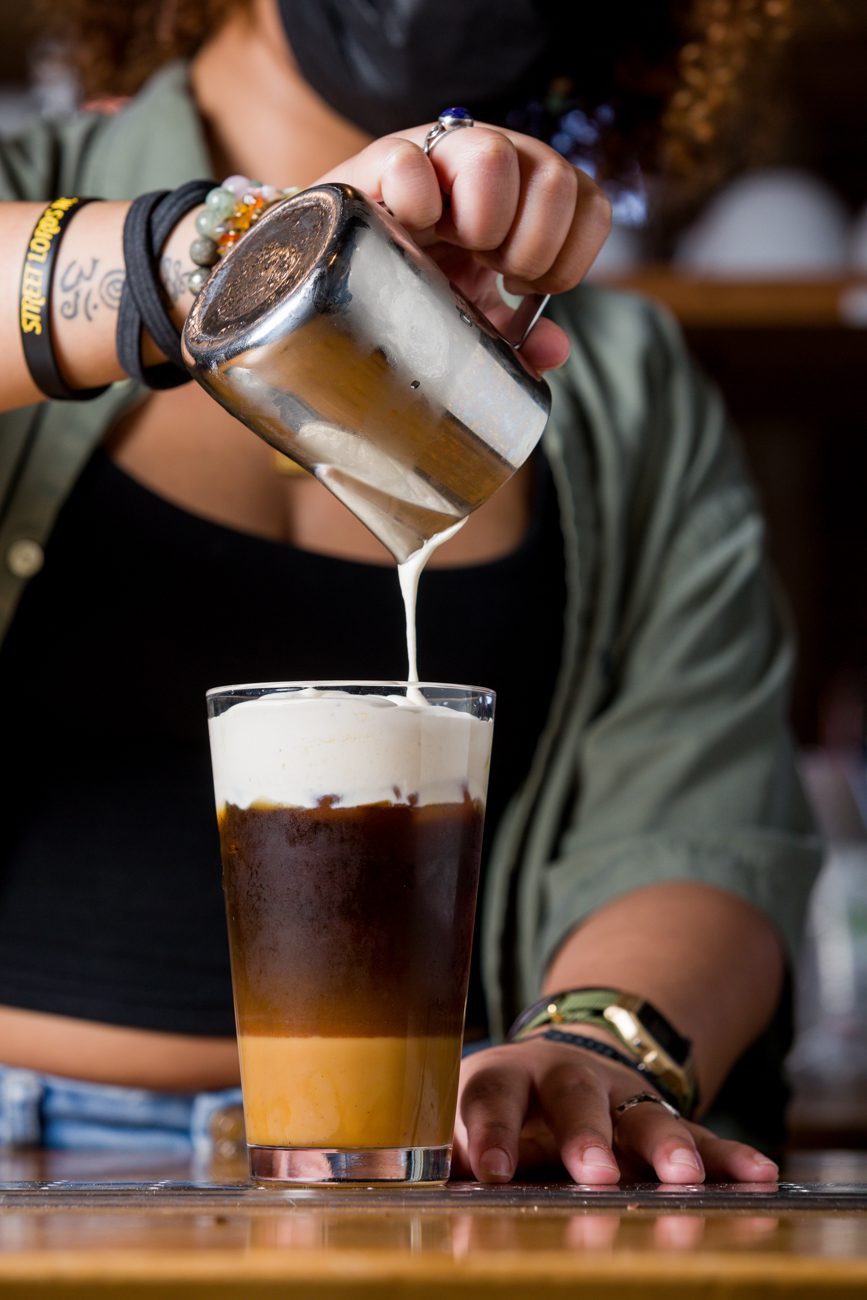
A strong cup of Joe has long been a Louisiana ritual, but now coffee is a full-on movement. Baristas deploy the flair of mixologists in dozens of boutique coffee shops that draw regional fans with cozy interiors and voluminous menus. Iced matcha, pistachio lattes and lavender-infused cold brew only begin to scratch the surface.
3. Patio, please
Demand for outdoor dining exploded during the pandemic when scores of local bars and restaurants added or expanded breezy outdoor spaces. Unlike other COVID-related phenomena, patios have remained, helping to make al fresco dining commonplace. Take it outside at spots like Mid City Beer Garden, Barracuda Taco Stand, SoLou, Cocha, Curbside, The Francis and many others.
4. Market magic
Culinary retail kept expanding, with the arrival of national chains Whole Foods, Trader Joe’s, Aldi, Total Wine and Costco, and the continued success and growth of beloved independent supermarkets, international grocery stores and gourmet shops. Meanwhile, the 29-year-old Red Stick Farmers Market continued to supply hyper-local foods. Baton Rouge cooks can now find pretty much anything they want, from year-round produce to obscure condiments.
5. Dining goes digital
Using your device has become so embedded in our collective culinary consciousness that it’s hard to remember life without it. We use smartphones to order, research, scan, map, share and post. As essential as a knife and fork? Not yet, but darn close.
6. Plant-based finds its place
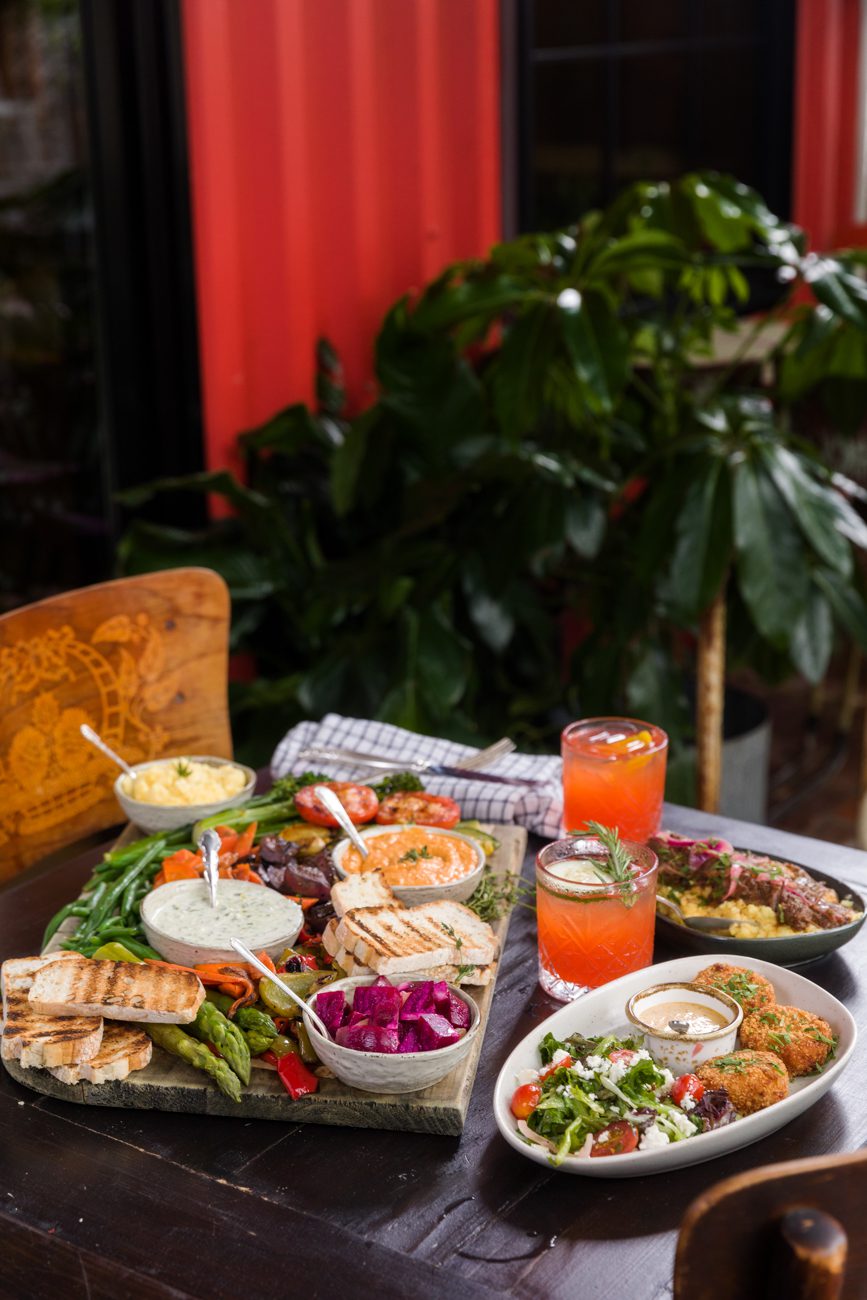
Exclusively vegetarian restaurants remain outliers here and in most American cities, but there’s been real growth in mix-and-match menus that prioritize flexitarianism. Today’s diners want their veg and their proteins, too.
7. Alcohol grows up
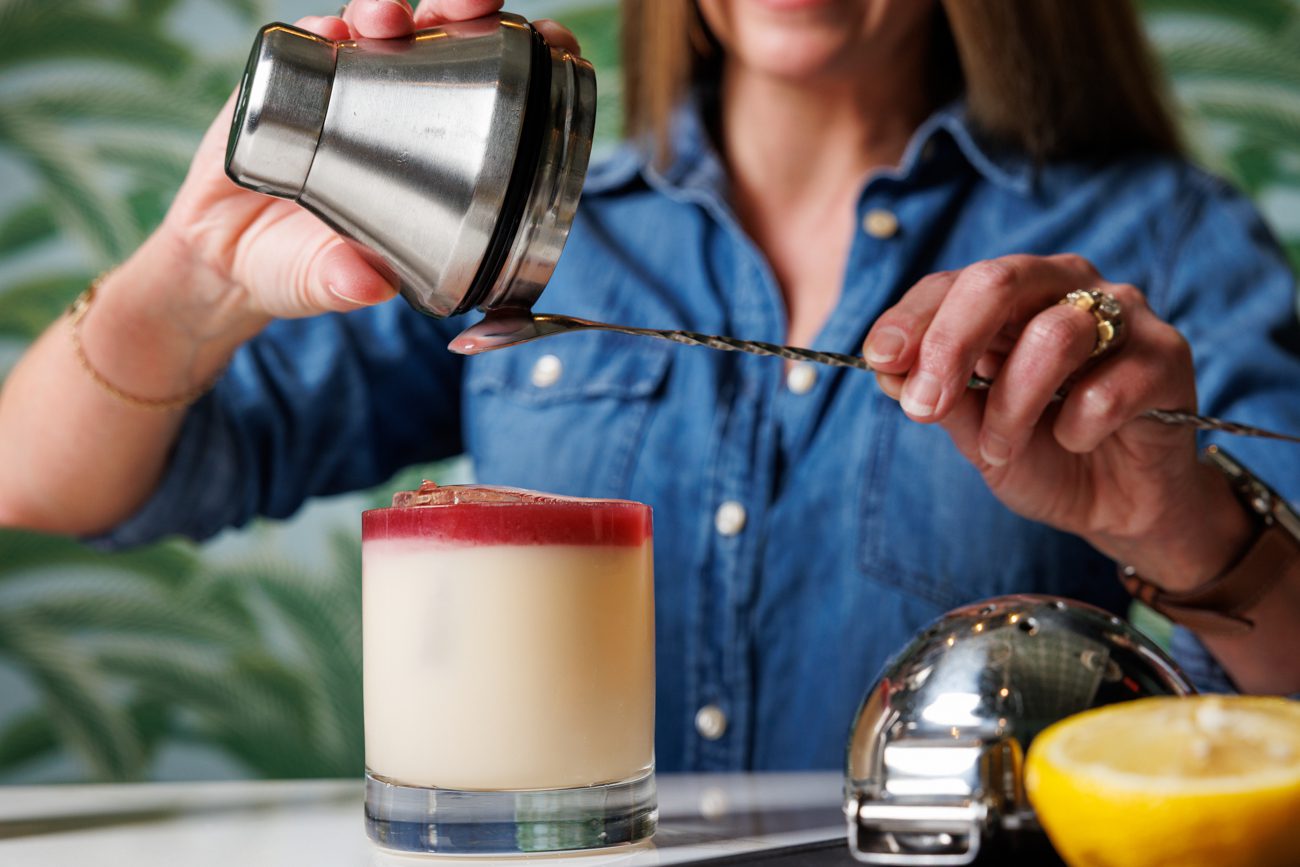
Adult beverages have become endlessly interesting, with craft cocktail menus now the rule, not the exception. Learn to make flawless cocktails at The Tipsy Librarian and shop for the latest buzzy spirits at local supermarkets or stores. Now based in Baton Rouge, James Beard semi-finalist and mixologist Alan Walter hosts a weekly pop-up at Bin Q Liquor and recently launched a boutique cocktail catering venture.
8. Beyond booze
No longer does asking for a mocktail earn you funny looks. Bartenders around town have been curating zero-proof dupes with the style and flash of the real thing.
9. Cottage core
Cottage bakeries, many of which started during the pandemic, roared onto the scene. Dozens of home bakers launched front porch pick-ups and pop-ups, giving Baton Rouge a taste of the kinds of detailed pastries, sweets and breads not found in commercial bakeries.
10. Popping up
Pop-up culture, once a novelty, became well established, with a growing number of adapters understanding how to track the whereabouts of their favorite food trucks, pop-ups and micro-bakers. Diners also embraced the harsh reality of small-scale operators—sometimes they just run out.
11. More of a good thing
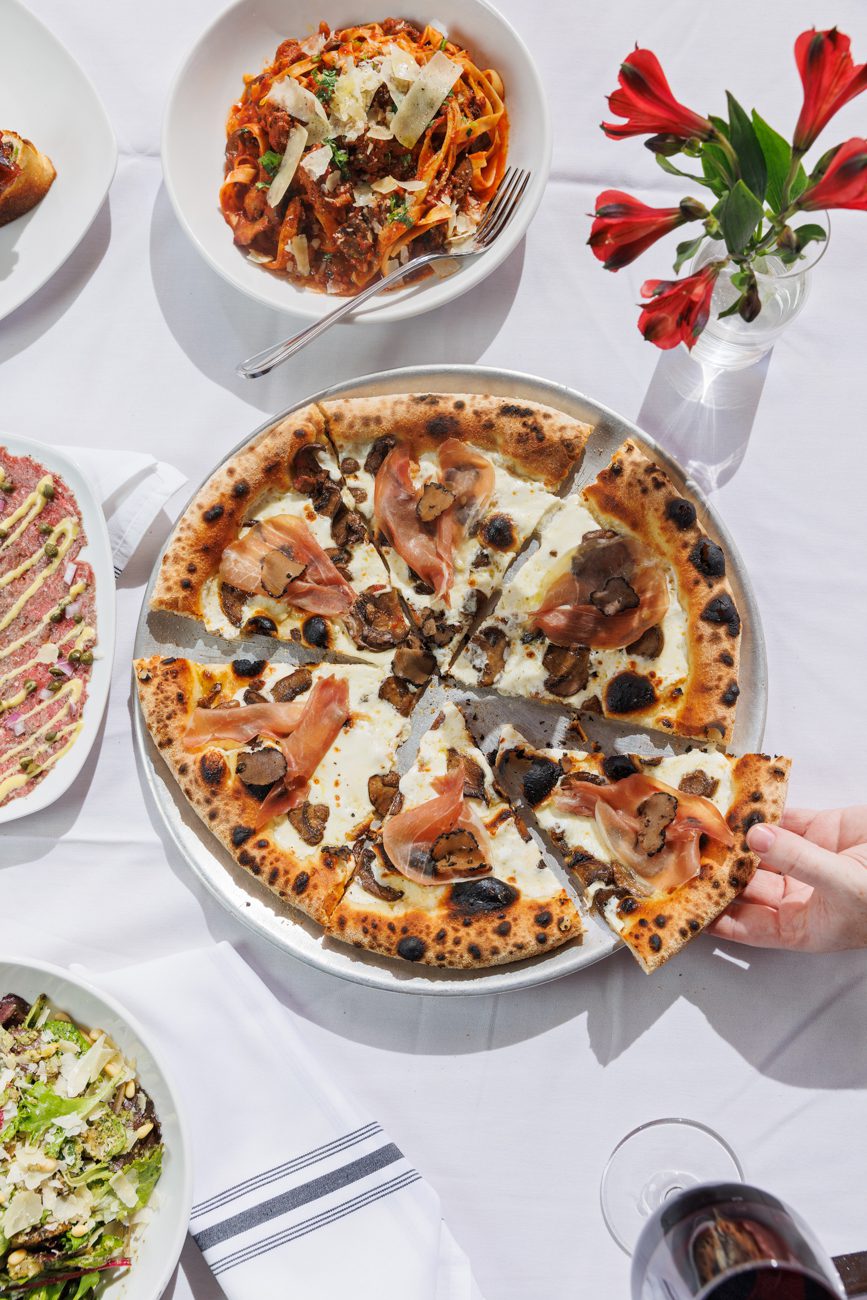
Twenty years ago, the number of restaurants within subsets like pizza, barbecue, tacos, burgers and sushi eateries were minimal in Baton Rouge. Now, each is its own expansive category, offering a wide spectrum of menus and experiences. Diners remain loyal to their favorites, but they also love options.
12. Early bird gets the worm
Maybe it’s because we want to rush home to stream a show, or it’s because we’ve been told it’s healthier. Whatever the reason, diners nationwide and in Baton Rouge are eating dinner earlier. Restaurateurs have seen reservation preferences shift to before 7 p.m., with many patrons even preferring late afternoon.
13. Cheers to your health
Health-conscious beverages rose in popularity, among them fresh smoothies, cold pressed juices and commercial or homemade kombucha. Spots like The Big Squeezy and Dr. FeelGood became local institutions, answering the demand for nutrient-packed drinks.
14. Tracking trends
Culinary inspiration used to be fueled by TV shows and glossy national magazines. Now, the hype cycle is fed by TikTok and Instagram. They’ve stoked our interest in Dubai chocolate, the Tunacado sandwich, meal prepping, charcuterie, fruit-shaped ice cream, matcha and so much more.
15. Dining by design
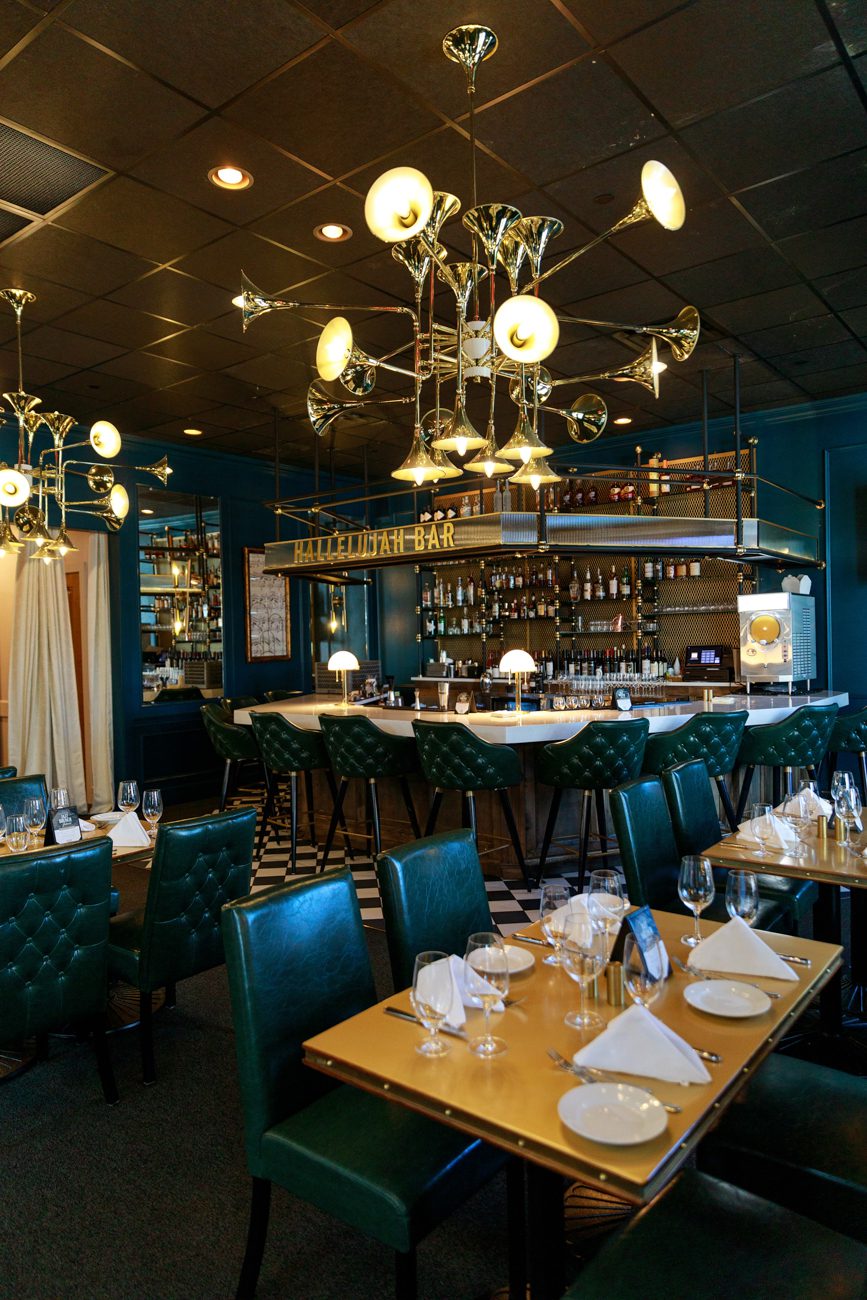
Restaurant design has become an arms race of sorts in Baton Rouge, with spots like Supper Club, The Colonel’s Club, Mother’s Lounge, Jubans Restaurant and Bar, SoLou, Tap 65 and others investing in wow-factor interiors meant to turn heads. Equally impressive bathrooms also got their day as requisite selfie backdrops.
16. The price we pay
It’s an inevitable part of time marching on: Prices rise, and they don’t come back down. But diners have watched restaurants and bar prices rise dramatically, thanks to a perfect storm of hikes that include labor, rent, insurance and, of course, food. Combine the cost of a meal with increased expectations for tipping, and a night out now comes with serious sticker shock.
17. Influencers kept influencing
Twenty years ago, food bloggers were starting to gain traction. Today, influencers wield significant, well, influence. WhereToGeaux225 Social Media founder Jordan Basham, lifestyle expert Maameefua Koomson, and the Eat the Boot Facebook group and podcast help thousands of regional fans decide where and what to eat. We also witnessed the impact of viral TikToker Keith Lee’s 2024 visit to a handful of local restaurants, which reported a subsequent sales bounce known as the “Keith Lee Effect.”
18. Regional dining expansion
New restaurants popped up all over the region, particularly in Ascension and Livingston Parishes, where the population has exploded over the last 20 years. St. Francisville also saw new eateries arise in its historic downtown.
19. The pandemic’s lasting impact
The pandemic changed the food scene irreversibly. Restaurants saw the demand for to-go orders surge, thanks to the rise of delivery apps. The large restaurant footprint of the past gave way to small to midsize concepts with fewer seats. And many spots simplified operations with all-day service and streamlined menus.
20. Destination dessert
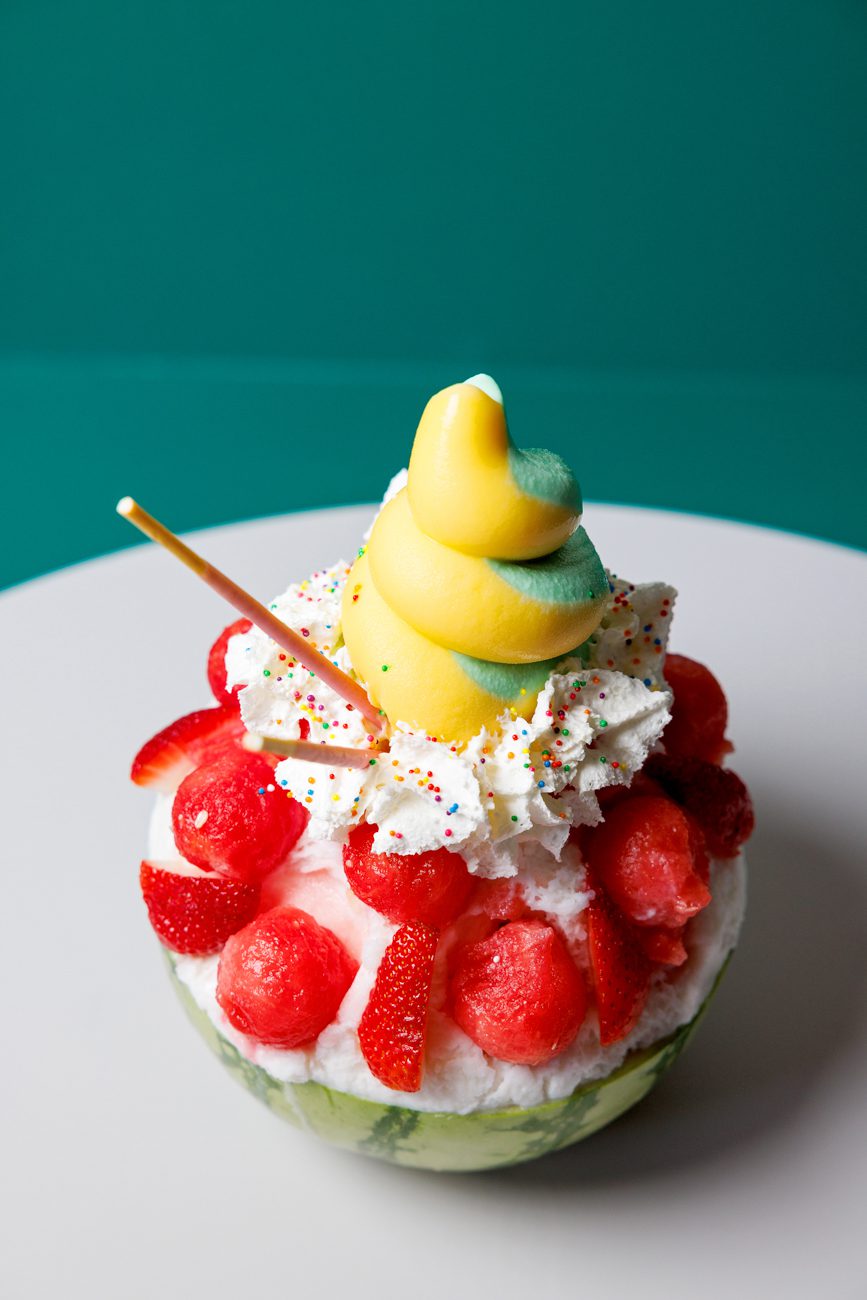
Dedicated dessert shops have become a separate category beyond restaurants and traditional bakeries. Establishments like Bonjour, Creperesso, Cheesecake Lab, Sweet Society, Gail’s Fine Ice Cream, Popaleta Michoacan, Starbox Falafel and others now make it possible to stop off for a sweet on its own or as part of a progressive dinner.
This article was originally published in the November 2025 issue of 225 Magazine.