Baton Rouge stakes its claim to an important piece of our nation’s history as America celebrates its 250th birthday
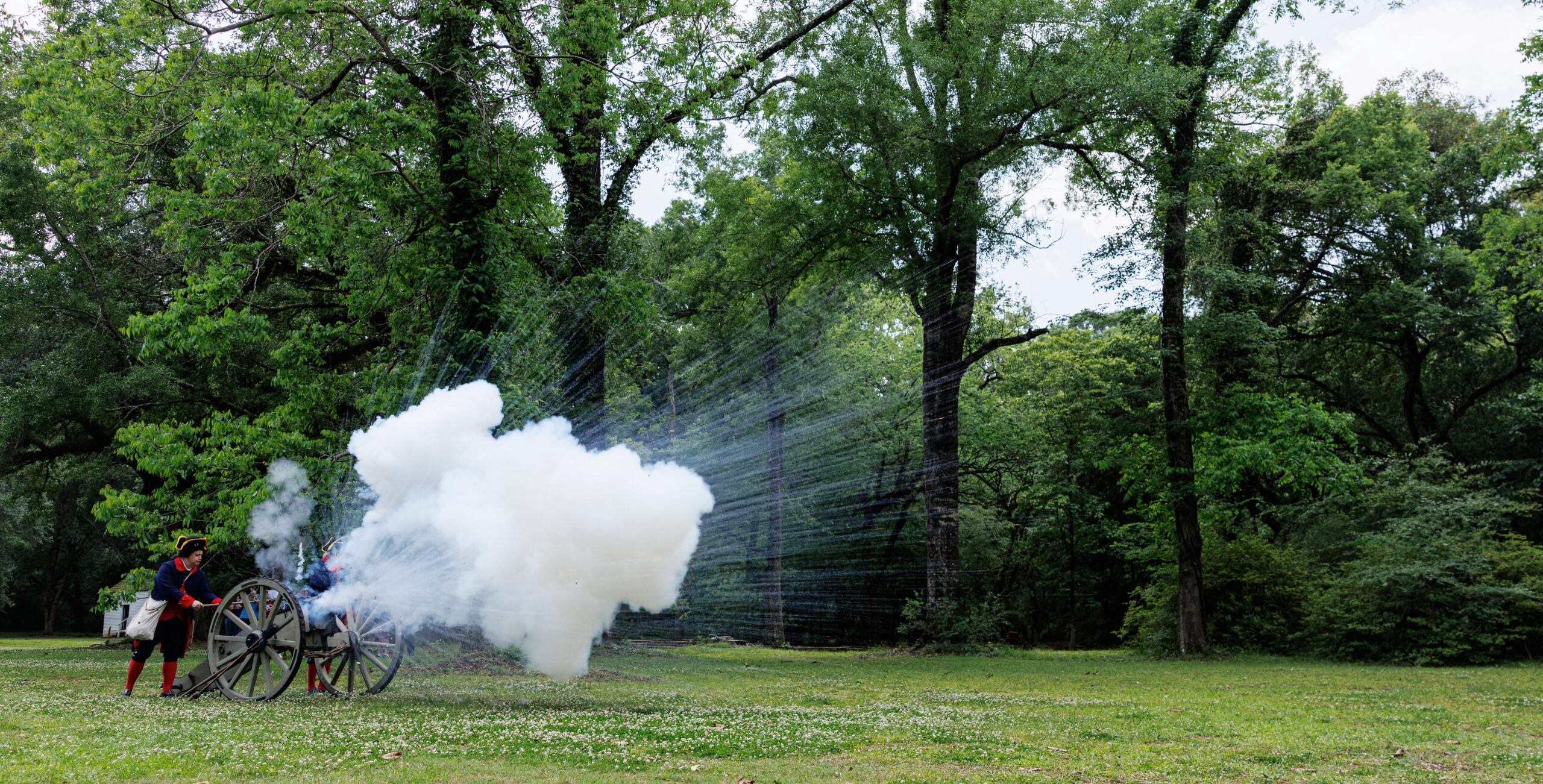
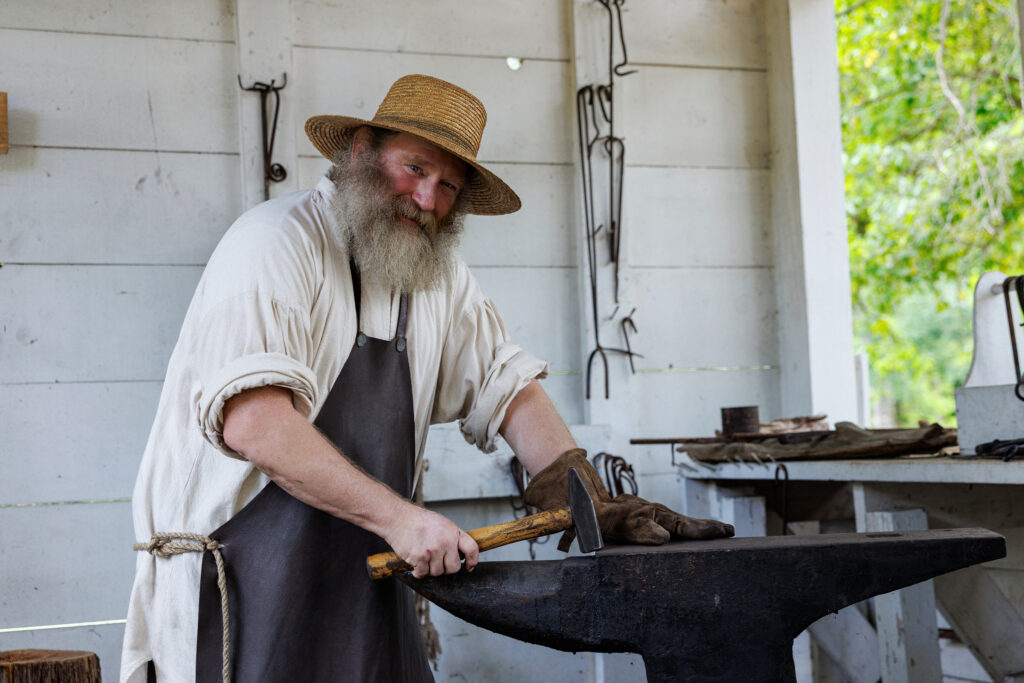
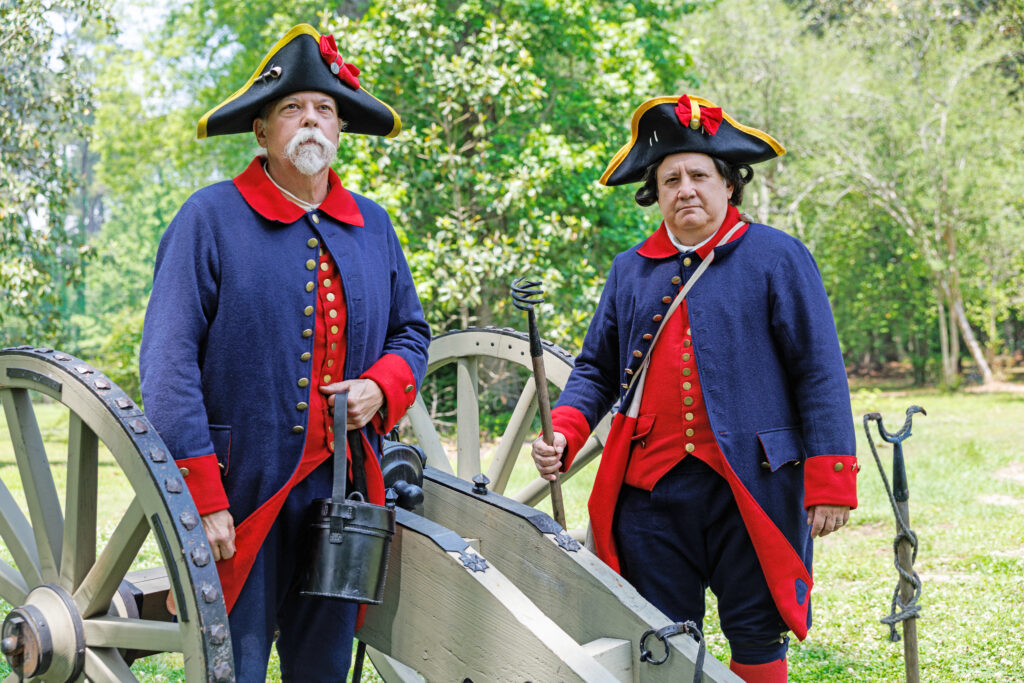
Thick smoke danced in the spring air from cannon fire as musket- and bayonet-wielding soldiers and blacksmiths took over the grounds of the Audubon State Historic Site in St. Francisville in late April. The period-perfect action was part of a reenactment of the Battle of Baton Rouge put on by the local chapter of the Sons of the American Revolution in honor of America’s 250th anniversary.
Though America’s founding is often most closely associated with harbor cities Boston and Philadelphia and the 13 colonies in the northeast, Baton Rouge has its own place in the nation’s origin story.
When south Louisiana was under Spanish rule in the late 1700s, what is now the Capital Region was drawn into the American colonies’ fight for independence against the British after the Spanish king in late spring of 1779 gave local subjects the greenlight to be hostile towards the British, who at the time maintained forts along the Mississippi River.
A small skirmish off Bayou Manchac kicked off the Spanish’s involvement in the American conflict, and in September 1779, the Battle of Baton Rouge took place in what is now downtown Baton Rouge, near the grounds of the current Capitol building, with Spanish forces taking over Fort New Richmond from the British.
Baton Rouge wouldn’t officially become an American territory until 1810, but the conflict holds the distinction of being among the only Revolutionary War battles to take place outside of America’s original 13 colonies and is often credited for helping weaken the British’s control of the Mississippi River, helping support the broader fight for American independence.
While local celebrations have already kicked off to commemorate the anniversary of the signing of the Declaration of Independence, the events are part of a broader nationwide America 250 initiative, highlighting the country’s semiquincentennial birthday. In Louisiana, those efforts are being spotlighted by the Louisiana America 250 Commission, which is helping promote events that highlight Louisiana’s role in the country’s founding story.
Notably, the original Louisiana Purchase agreement signed by then-French First Consul Napoleon Bonaparte is now on display at Louisiana’s Old State Capitol. The agreement, widely considered the greatest real estate deal in history, was signed roughly 27 years after the Declaration of Independence and essentially doubled the size of the nascent nation. The exhibit, “Bought For A Song: A Young Nation Expands,” will be on display through July 11.
While the fighting on the banks of the Mississippi River is long over, there’s lots to see and do in south Louisiana through the end of the year to celebrate America’s 250th anniversary of the signing of the Declaration of Independence. Check out this list of celebratory events happening in Baton Rouge and beyond.
This article was originally published in the June 2026 issue of 225 Magazine.