Top your dinner with colorful microgreens
If you’ve noticed nests of microgreens garnishing your dish in local restaurants lately, there’s a good chance they were grown by Westdome Nursery in St. Francisville. Chefs recognize the baby plants’ beauty. But that’s not all they have to offer, says Westdome grower Amy West, who started selling wide varieties directly to consumers at the Red Stick Farmers Market last fall. They’re also considered an antioxidant-rich super food.
“All the vitamins in the seed are in the baby plant as well as the big plant, where they end up being spread out further,” West says. “You’re getting all those phytonutrients by just eating a small amount.”
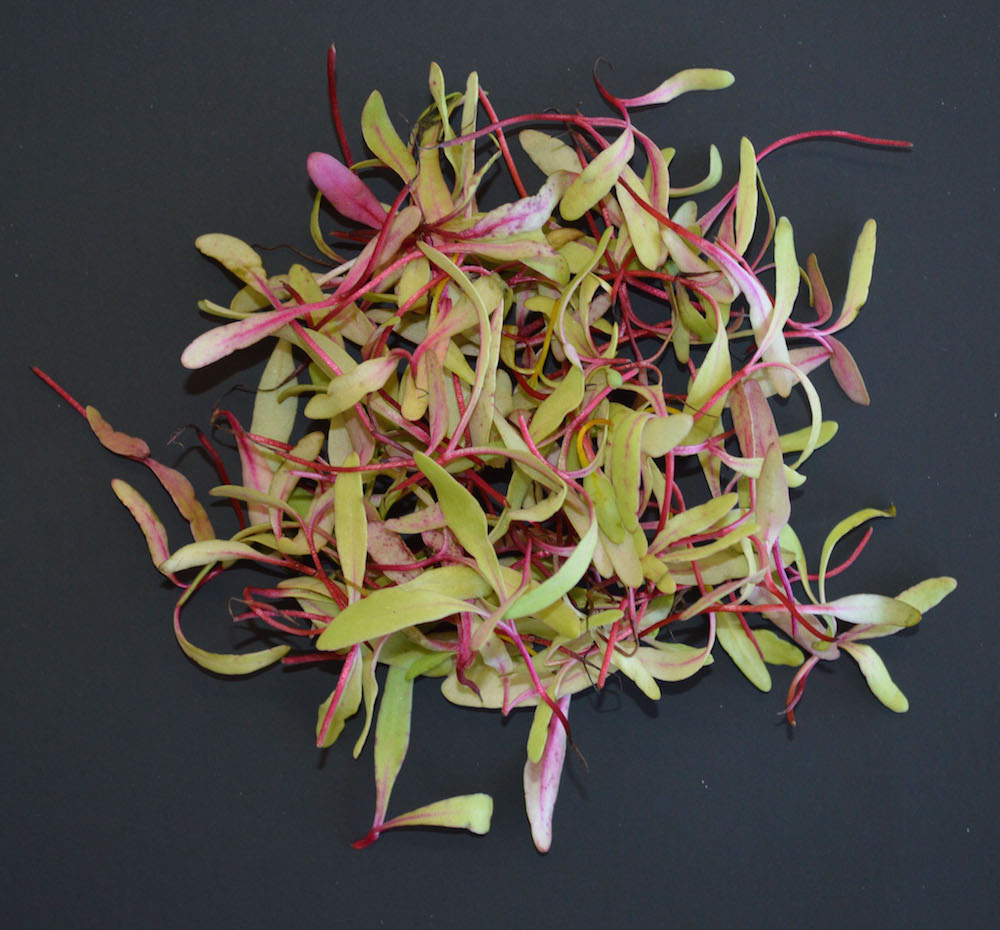
Chard
Flavor: Vegetal, similar to spinach
Use: Swiss chard lovers will recognize the mild, but sturdy notes here, reminiscent of classic, leafy greens but less bitter. Pair it with a roasted beet salad over spinach or add it to a smoothie.
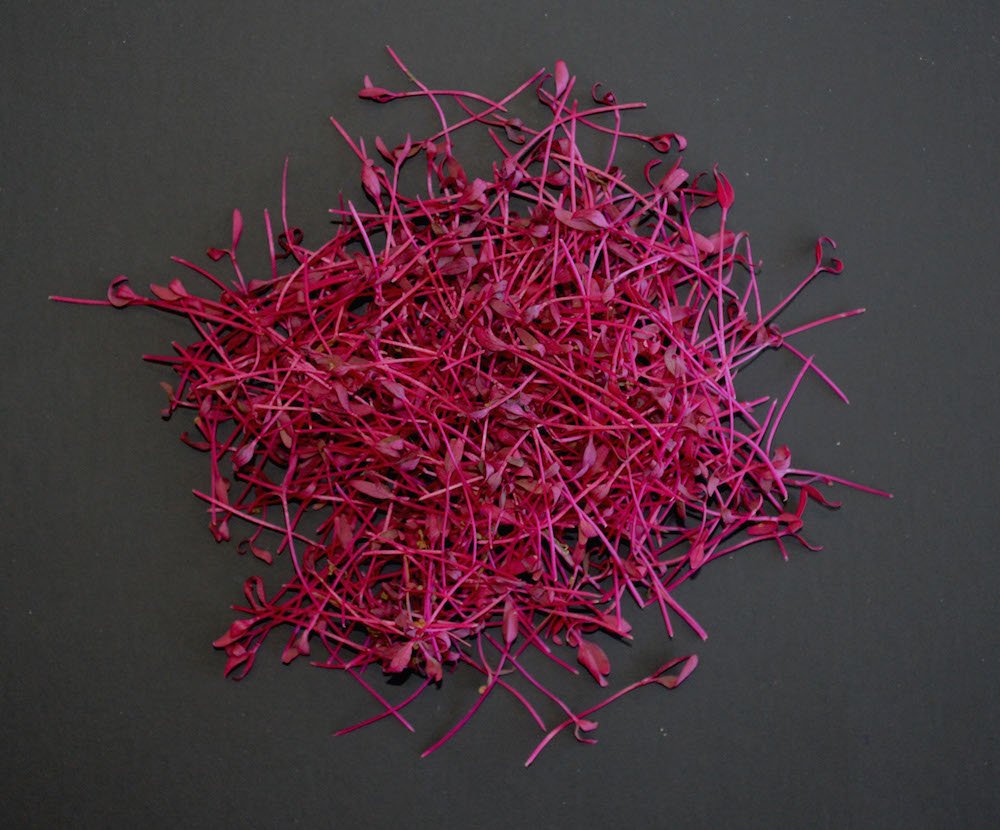
Amaranth
Flavor: Reminiscent of corn or corncob
Use: Amaranth’s stunning red color makes the microgreen of this ancient grain a gorgeous garnish on any plate. Its corn flavor pairs neatly with tacos, offering contrast to tomatoes, avocado, queso crema and cilantro.
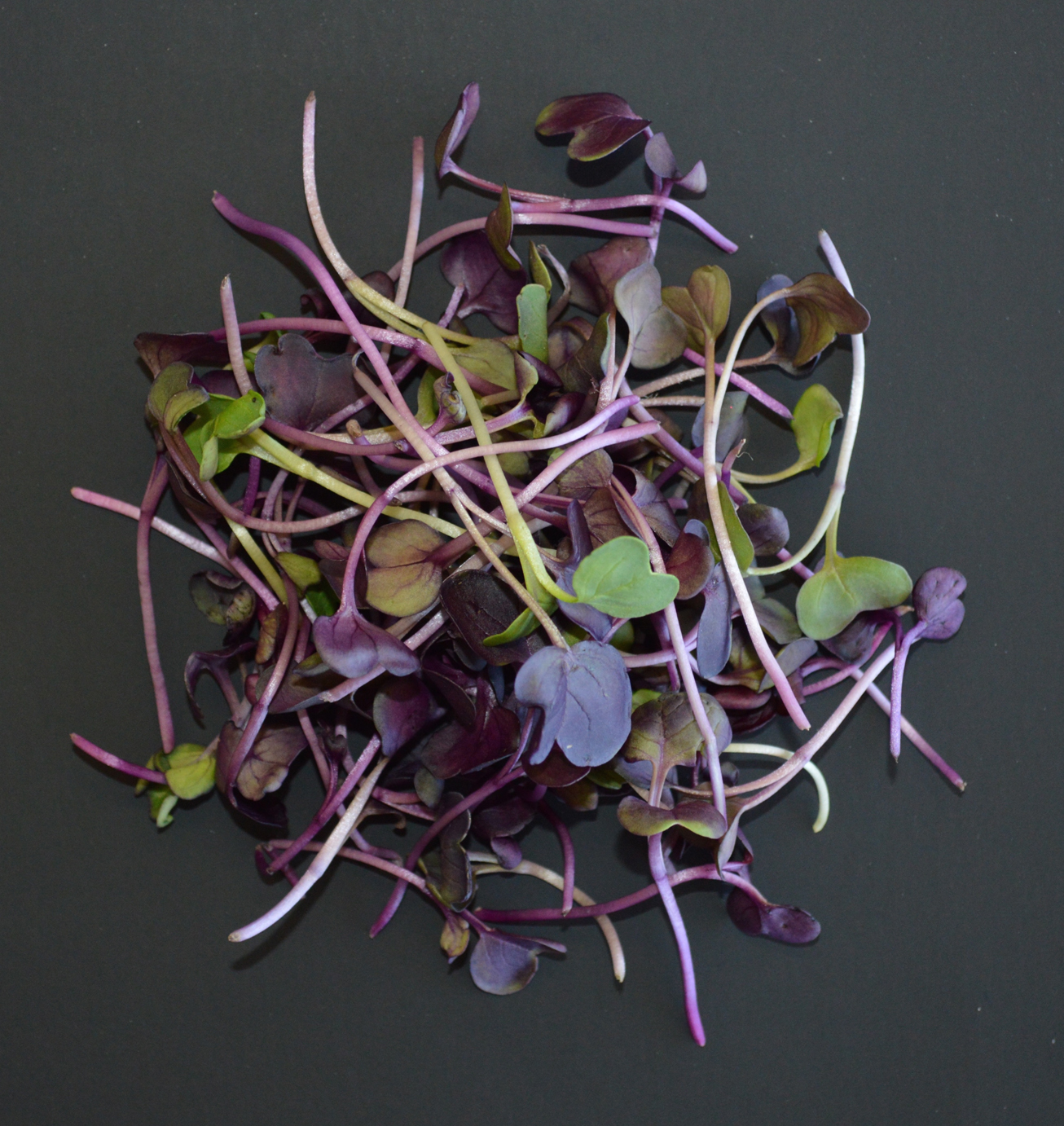
Rambo radish
Flavor: Sharp, like a radish
Use: A hardy texture and pleasant bite make it a great substitute for lettuce on a homemade sandwich. Because the microgreen tastes like its eventual fruit, it also fits anywhere you’d use regular radish, such as salads or noodle bowls.
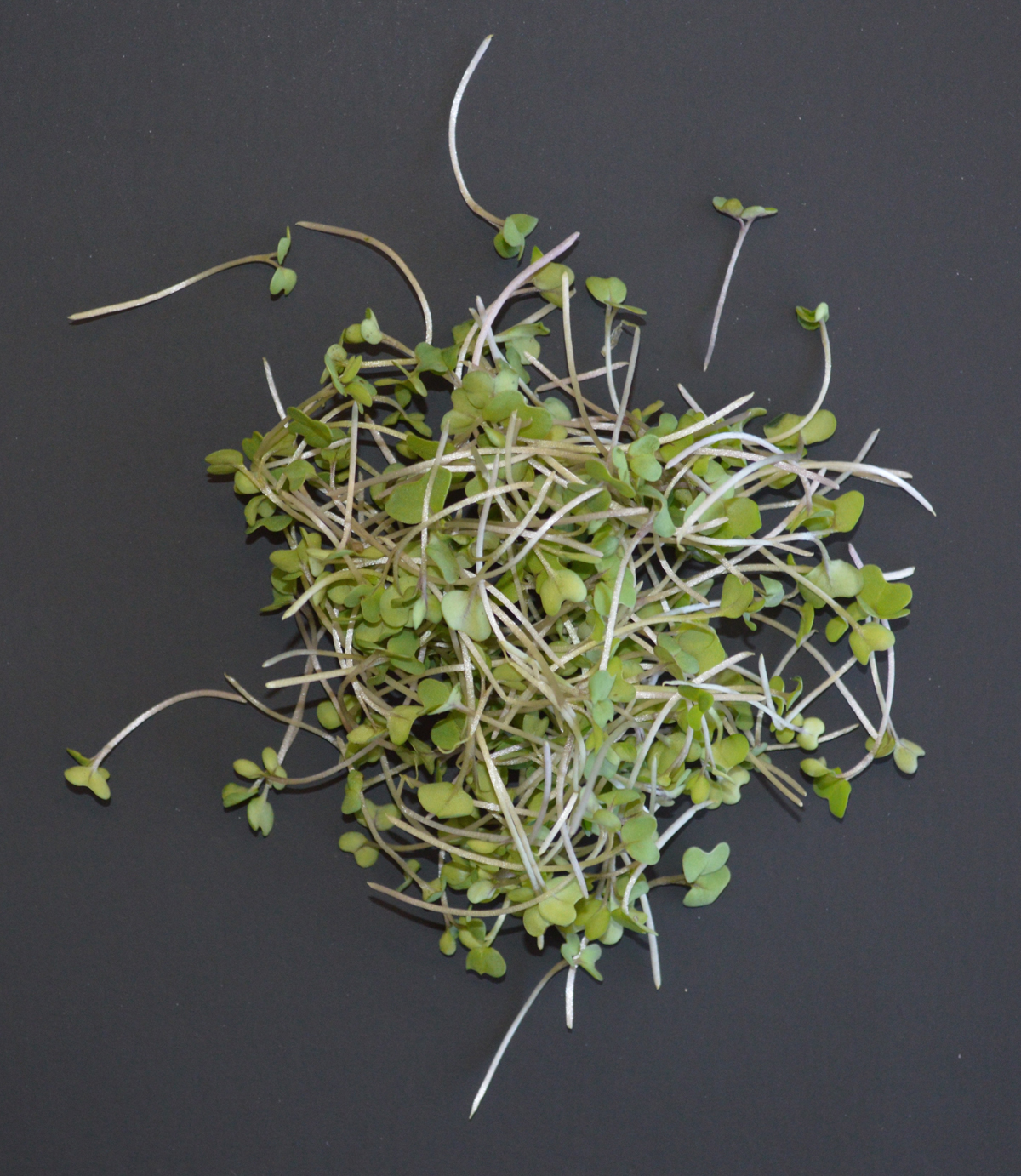 Cho kara
Flavor: Think wasabi
Use: A member of the mustard family, cho kara is one of the hottest of the microgreens. Like wasabi and horseradish, it’s not a tongue-tingling heat, but the kind that sneaks around the sinuses, making it perfect for seafood.