Spreading sustainability in the Capital City
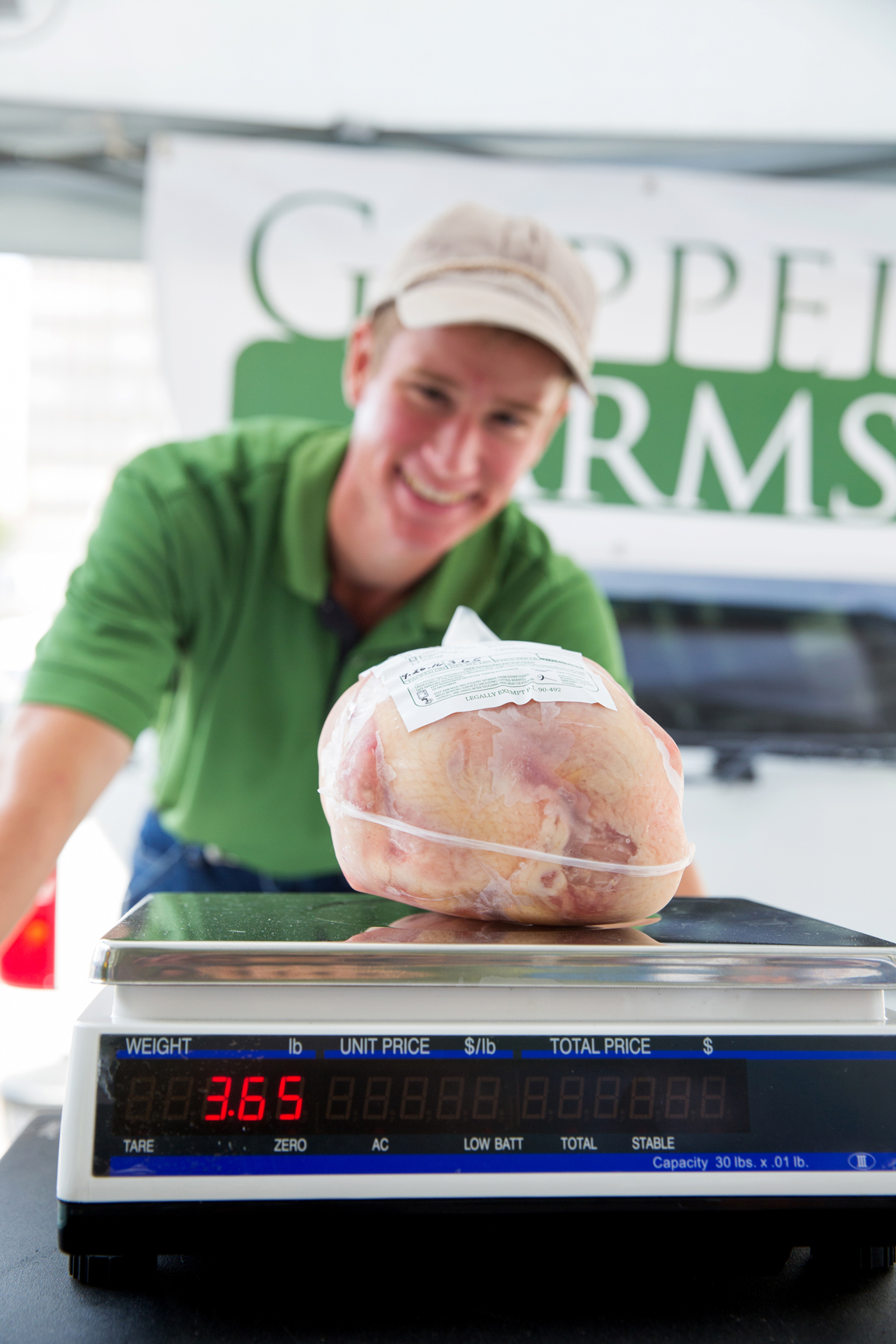
Much has happened in Baton Rouge’s local foods movement since the Red Stick Farmers Market opened 20 years ago. Beyond the market itself, a growing number of outlets are making it possible for local consumers to celebrate Louisiana’s rich regional bounty. “A healthy local food system has lots of avenues for providing good quality food,” says LSU AgCenter professor and Slow Food Baton Rouge co-founder Carl Motsenbocker.
If you like what’s happened so far, he adds, ask for more. “It’s really important that we continue to ask where our food is coming from,” he says. “It’s the way to create demand.”
A few examples of how far sustainable food has come in Baton Rouge:
Slow Food Baton Rouge
Think of it as the moral opposite of “fast” or mass-produced food. Slow Food Baton Rouge launched in 2009, joining an international network of 1,500 chapters committed to expanding the availability of “good, clean, fair food.” Slow Food Baton Rouge hosts regular events that advocate for a robust local food system, including farm-to-table culinary gatherings, farm tours, chef showcases, urban agriculture workshops and Greauxing Healthy Baton Rouge, a farm-to-school program emphasizing gardening, cooking, nutrition and healthy living. slowfoodbr.org
City Citrus
Go ahead, pick that satsuma. An initiative of Baton Rouge Green started in 2013, City Citrus is an “open-source” citrus program, meaning residents are welcome to pick and enjoy fruit emerging from designated trees. So far, the organization has helped local groups plant about 320 citrus trees in places like parks, church properties and along public roadways. City Citrus also coordinates volunteers to pick abundant fruit and donate it to the Greater Baton Rouge Food Bank. Find a map of the trees at batonrougegreen.com.
CSAs
There’s more than one way to get your local produce fix. Community Supported Agriculture programs, or CSAs, have been around for decades nationwide and have slowly taken root in Baton Rouge. Become a CSA member, pay a seasonal fee and receive a weekly box filled with items harvested that week. Inglewood Farms in Alexandria operates its new CSA through the artisan foods delivery service IndiePlate. Baton Rouge-based Luckett Farms offers another CSA. Ponchatoula farmer Eric Morrow operates a workplace CSA in partnership with the Franciscan Missionaries of Our Lady Health System. inglewoodfarm.com, luckettfarms.com, ourhealthylives.org/farm-to-work
LSU AgCenter Food Incubator
Dozens of artisan food products have emerged from the LSU AgCenter Food Incubator, an entrepreneurial engine that transforms culinary ideas and family recipes into saleable products made in the Bayou State. Homemade pickles, salad dressings, snack foods, sweets, hummus and more developed at the incubator are now on the shelves of regional supermarkets. The incubator took its first tenants in 2013 and hosts regular seminars for budding Gulf Coast culinary entrepreneurs who think they have a winning idea. lsuagcenter.com
From local sources
Dining out in Baton Rouge has changed a lot, especially in the last decade. Alongside veteran Creole seafood eateries and steakhouses are a growing number of boutique restaurants that showcase a wide variety of local ingredients. Beausoleil, which opened in 2010, and the recent additions Table Kitchen & Bar and Goûter are among a new guard committed to seasonality. Another game-changer for restaurants has been Baton Rouge-based IndiePlate, which started in 2013 and transports items from farm to doorstep.