Baton Rouge sommeliers explain how to order, taste and enjoy wine
Be your own wine boss with these tips from local vino experts 🍷🤓
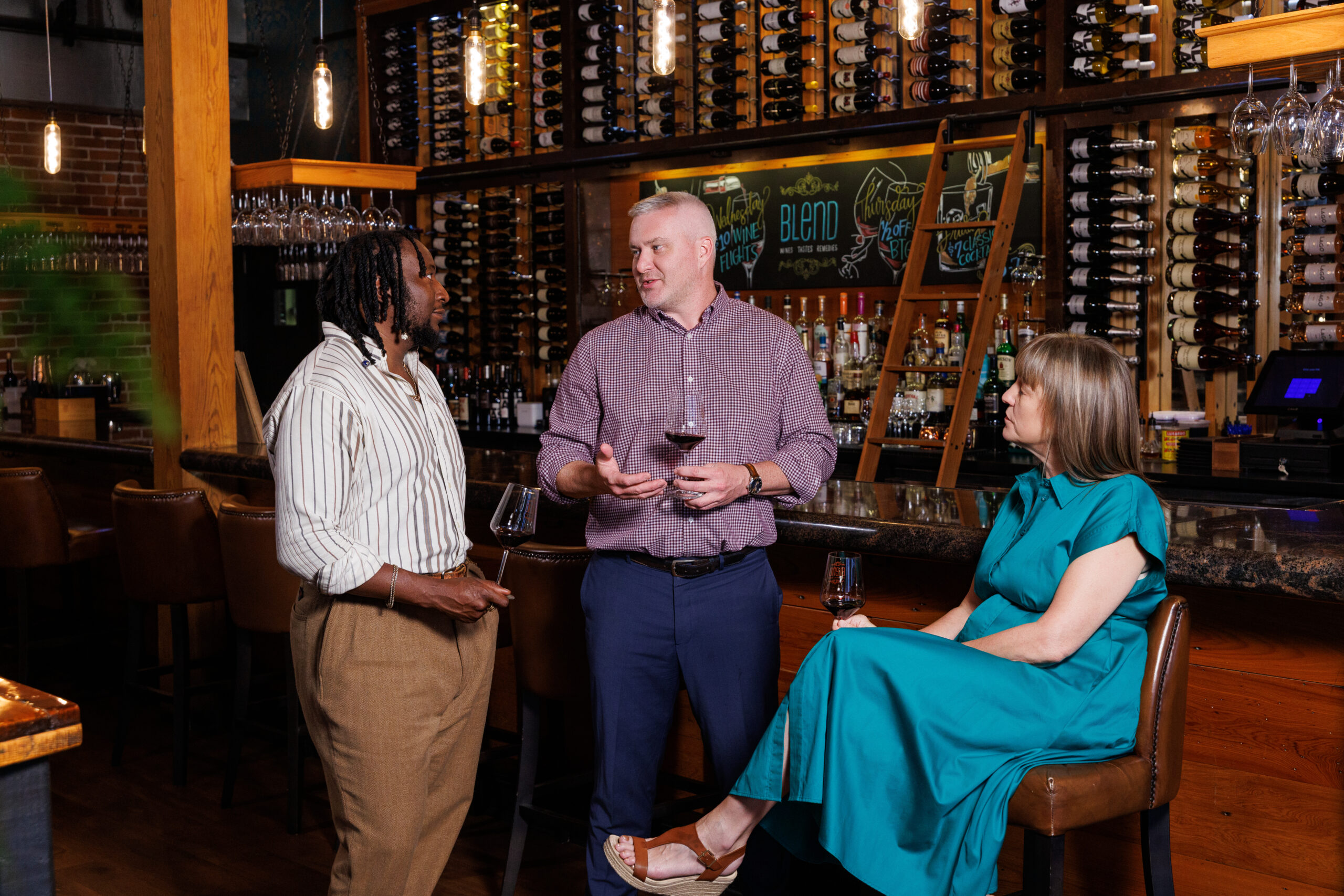
About our experts: For this guide, we chatted with Dark 30 Wine & Craft Cocktail Bar and Level 1 sommelier Aaron Franklin; Blend Restaurant & Wine Bar owner and Level 2 sommelier Scott Higgins; and Cocha owner and Level 1 sommelier Saskia Spanhoff.

Know thyself
“The number one thing I tell people in a wine class is to pay attention to texture,” says Blend Restaurant & Wine Bar owner and Level 2 sommelier Scott Higgins. “Are you someone who likes big, bold wines, or someone who likes wines a little softer and quieter? Being able to navigate that first step is incredibly important. And there’s no wrong answer.”
Organizing principles
A restaurant’s menu is often organized by categories, with sparkling wines, rosés, whites, reds and dessert wines grouped together. But that’s not always the case, says Cocha owner Saskia Spanhoff, a Level 1 sommelier and certified wine specialist and educator. “There’s not a standard way to do a wine list,” she says. “Some lists are organized by country or even by descriptors.”
Sip now and later
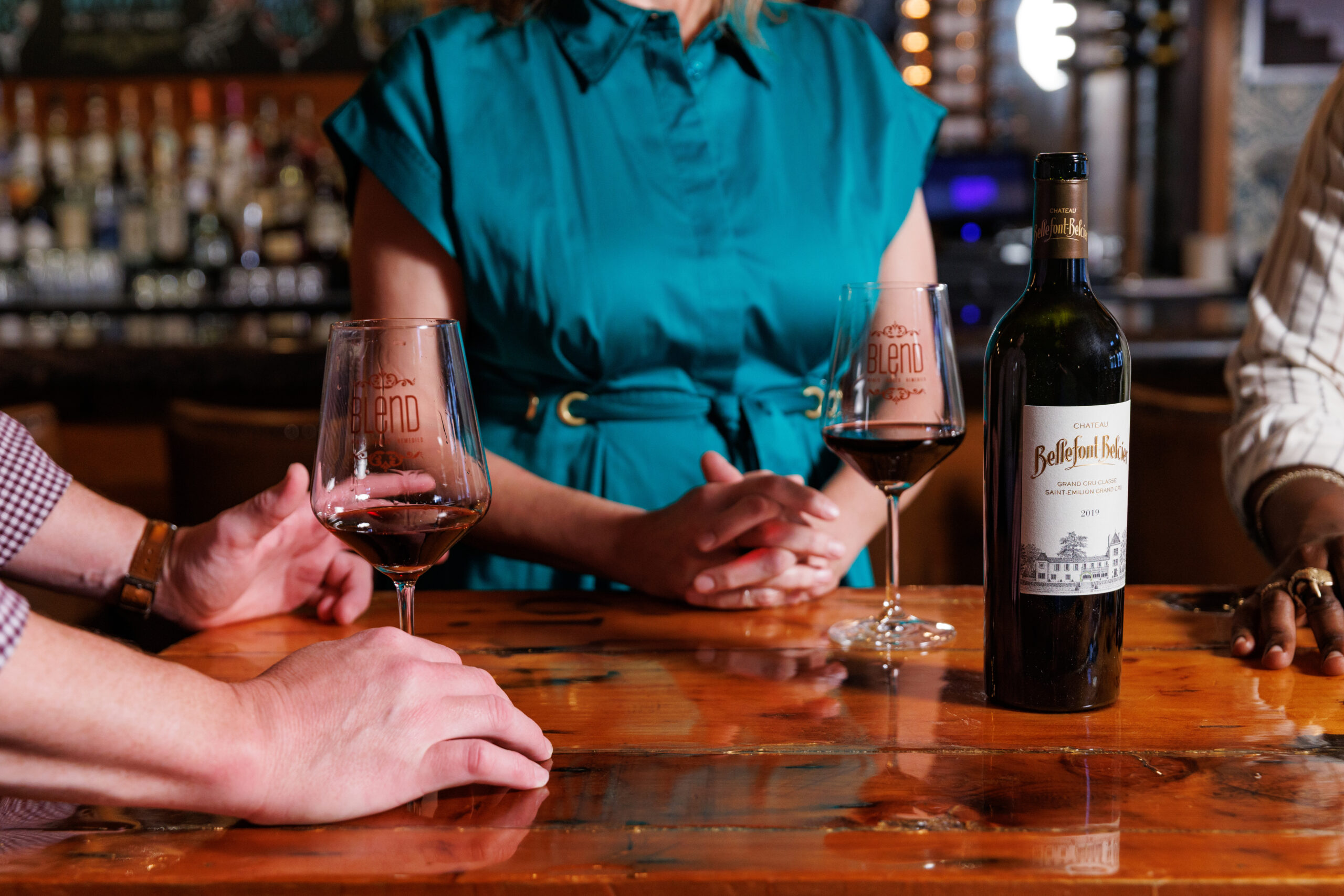
It’s hard to take a few sips of a particular wine and record its flavor profile in your memory bank, Higgins says. “Taste it now and then two months from now,” he says. “It’s going to help you remember what you noticed.”
Embrace tastings
One of the most foolproof ways of boosting your wine knowledge is to attend one of the many regular tastings happening around town. Local wine-forward bars, restaurants and shops host events or classes, offering a chance to sample specific producers, varietals and regions.
Price hikes
Wine isn’t cheap. Transportation issues caused prices to increase following the pandemic, and they haven’t come back down. Newly imposed tariffs on imported wines could result in additional hikes. Still, some global wines may offer better value than more expensive bottles from Northern California, where the steep cost of land influences retail prices.
By the glass or bottle
A 750 milliliter bottle yields five 5-ounce glasses, making it a winning option for a group with shared preferences. But if you’re inclined to taste different wines throughout a meal, go by the glass. Unsure which to pick? Ask your server for a sample. It’s a commonplace request in restaurants with serious wine programs.
Fall back on a favorite
Can’t find anything familiar on a wine list? Look for something you know you like. You might request “a dry white that’s not too fruity,” or “a big Napa red.”
Be a globe-trotter
How to think from a regional perspective
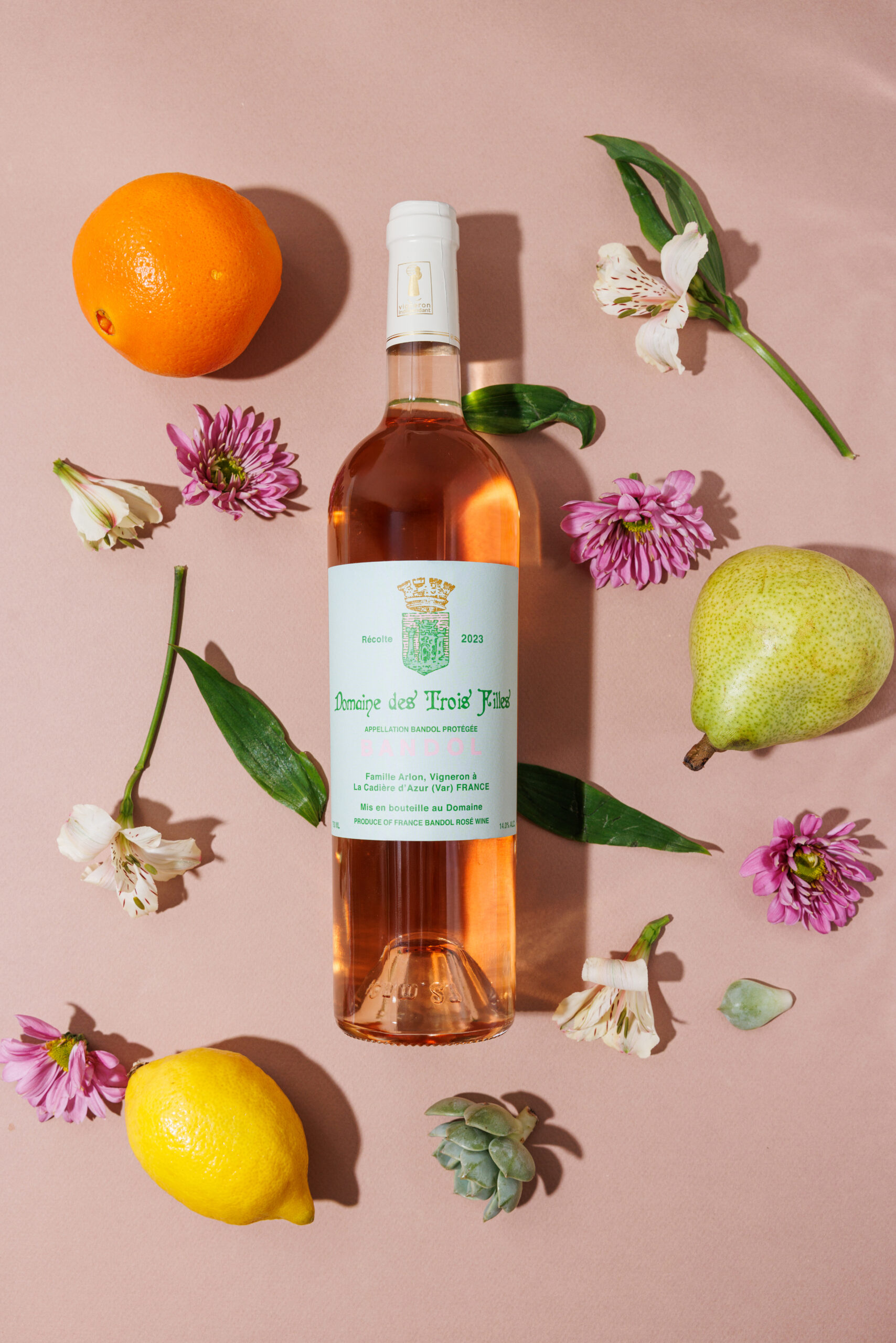
Spanhoff says she’s seen locals expand their palates over the nine years her wine-centric global restaurant has been open. “We’ve noticed a lot of people getting very adventurous,” she says. “They want to try wines from different regions and different countries.” Cocha sells a lot of Italian wine, including boutique selections from Sardinia and Sicily, she says. Lately, a Lebanese red blend has also captured hearts.
This is trippin’
Traveling is an excellent way to explore new wines, says Dark 30 Wine & Craft Cocktail Bar and Level 1 sommelier Aaron Franklin. In fact, it’s how he became interested in the first place. Trips to wine country in 2010 while serving in the Marine Corps in California planted the seed for what has become a personal passion. “I fell in love with wine,” he says. “Exploring the world gives you a chance to experience it.”
Side by side
Rather than taste a wine in isolation, try a side-by-side comparison with a varietal from another region to taste differences in terroir, Higgins says. “Having two cabs or two sauvignon blancs next to each other from two different regions, that’s incredibly helpful to show the difference in where a wine comes from.”
Sip and say
Wine terms to know

Tannins
Astringent chemical compounds that naturally occur in wines. More pronounced in reds, tannins give a wine its dry, mouth-coating sensation.
Structure
How the wine tastes from start to finish. A nicely structured wine’s components function in harmony from the time you sip until the finish.
Texture (aka mouthfeel)
How the wine feels in your mouth, whether heavy or light. You might describe a wine’s texture as “smooth,” “creamy,” “bold” or “crisp.”
Quaffer
An approachable, easy-to-drink wine—one you might enjoy by the pool.
Terroir
The characteristics of a wine that are influenced by climate, weather, soil and geography.
Sommelier
A wine professional who has earned various levels of certification. Sommeliers can achieve Level 1, Level 2 and Level 3 designations, indicating their knowledge of wine tasting, production and service in a restaurant. Additional certifications can be earned beyond Level 3, including geographic specialties.
These articles were originally published in the September 2025 issue of 225 Magazine.