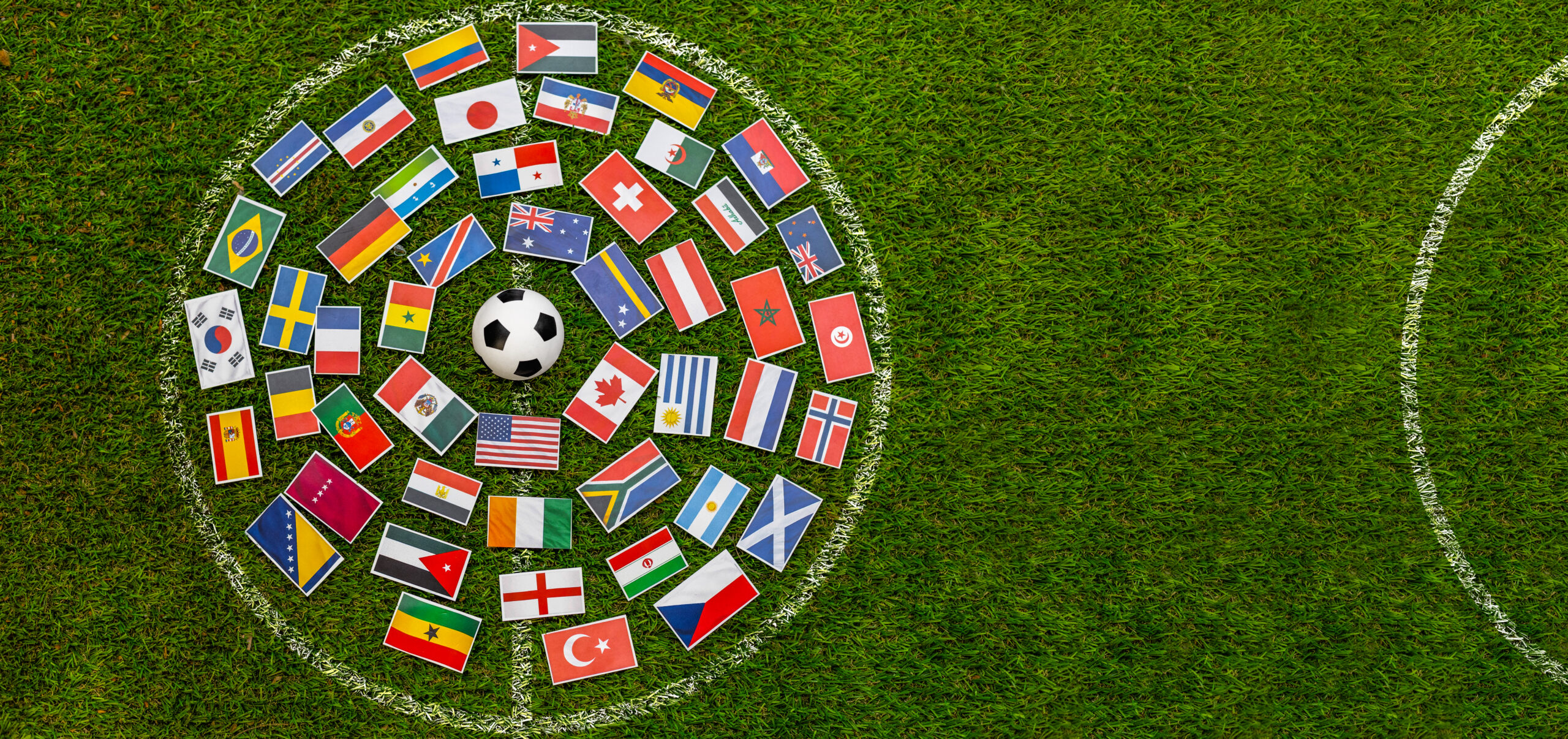
This summer’s FIFA World Cup captures a cultural moment in Baton Rouge
July feels like an eternal dry spell for local sports fans who find themselves counting the days until the blessed return of college football. But this year, that other football—the one that captivates the globe—might be just the salve for boredom. The 2026 FIFA World Cup, the largest in history, is now underway with 104 matches played across North America. The finals take place July 19 at Met Life Stadium in New York.
There’s a lot for soccer enthusiasts (and maybe even wistful football fans) to nerd out about. It’s the first time three countries, the United States, Canada and Mexico, have co-hosted a World Cup. And it’s the first time 48 teams can participate, up from the previous 32-team format. Coveted tickets at luxury prices were issued through a lottery system, assigning hardcore fans to 16 possible stadiums from Mexico City to Seattle to Toronto. The whole thing has felt like a cross between the Olympics and the Eras Tour.
While it’s anyone’s guess who’ll take the crown, the new format should favor the United States Men’s National Team, led by Christian “Captain America” Pulisic.
The sports a kickin’
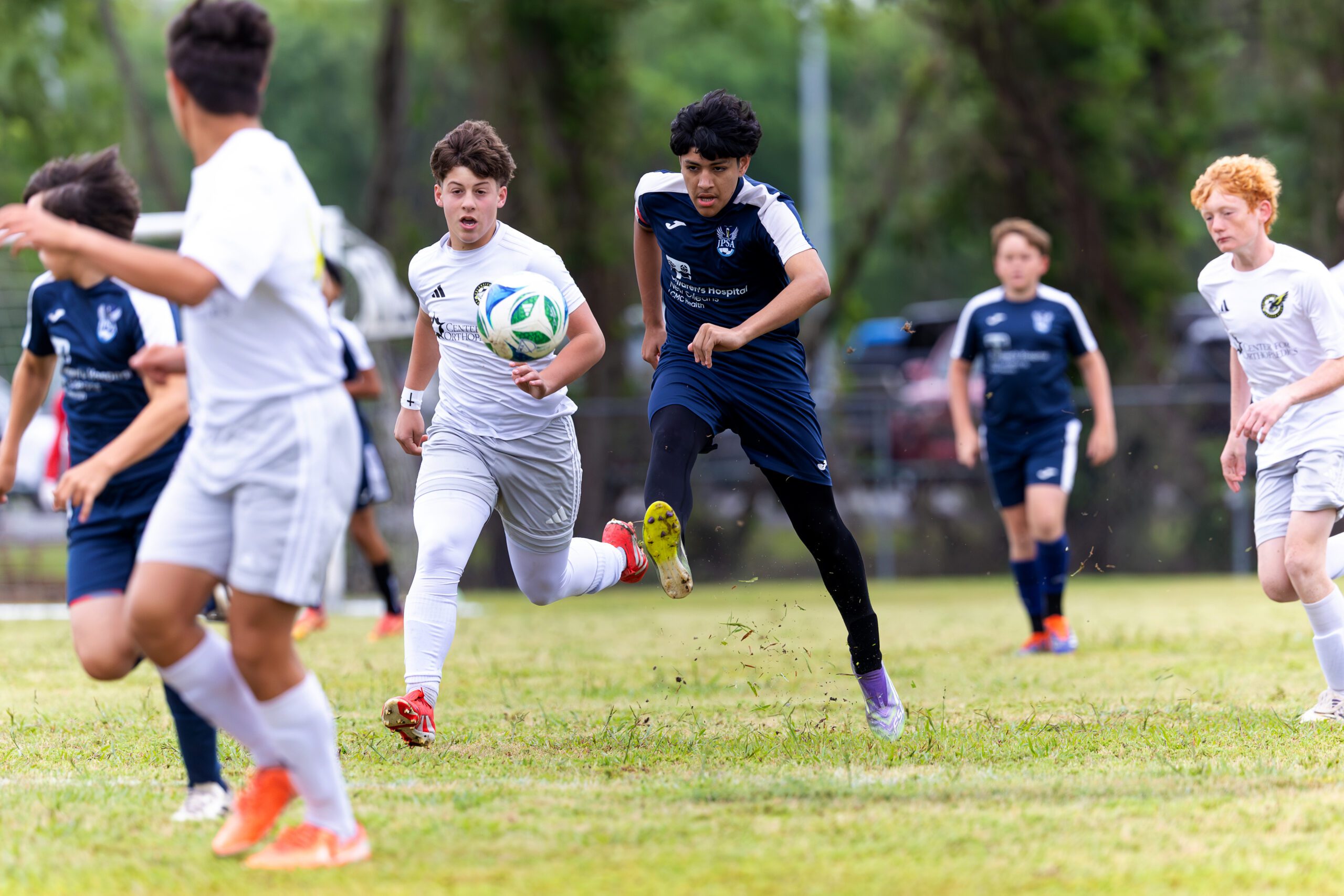
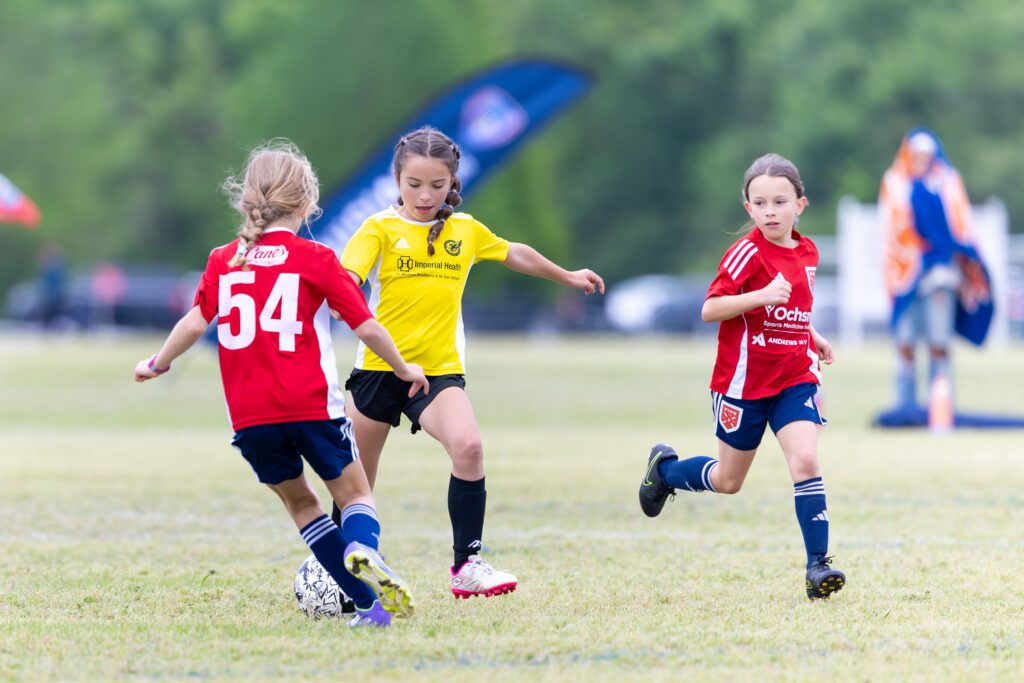
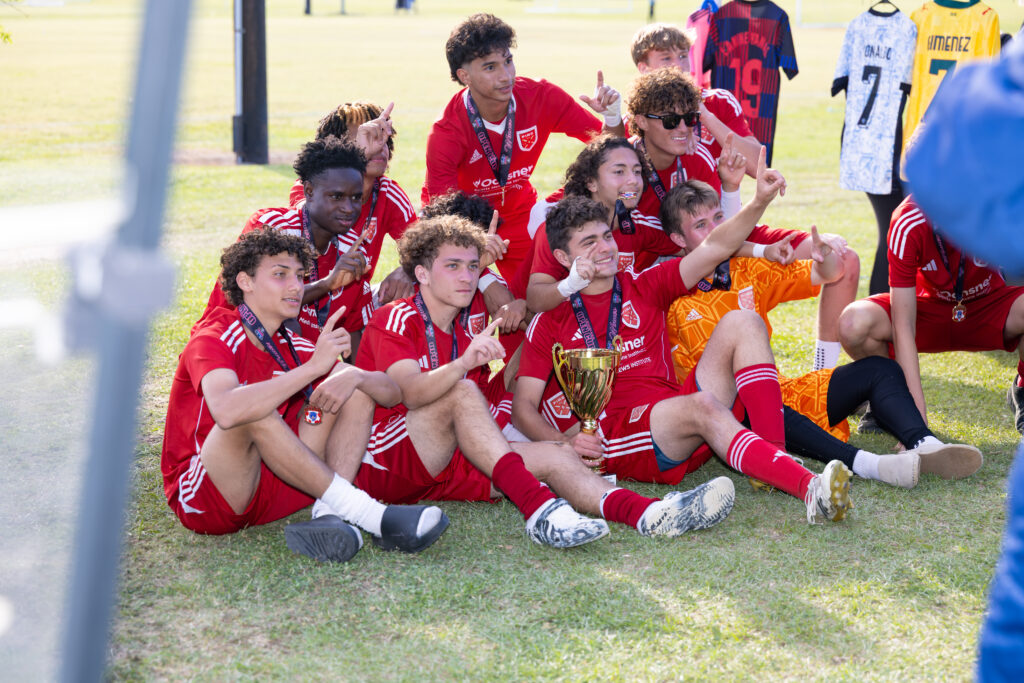
University High School boys’ soccer head coach Chris Mitchell marvels at how much soccer has grown in popularity since he was one of the first to play at Baton Rouge High School in the late ’80s. Soccer became a sanctioned high school sport in 1986 when Mitchell was a sophomore, with just a handful of teams in the Capital Region. Over the last 40 years, it has grown to encompass four boys’ and girls’ divisions across the state, says Mitchell, who played college soccer at Butler University and has made a career as a coach.
Club and youth soccer have grown, too, says Mitchell, also the director of Baton Rouge Soccer Club’s 75-team middle school league.
“Growth has been amazing,” he says. “It’s been tremendous.”
Baton Rouge might be a diehard football town, but its soccer bona fides are undeniable. Families with young children embrace it as a gateway sport. And BREC’s Burbank Soccer Complex is the largest soccer complex in Louisiana and one of the largest in the Southeast, Mitchell says. Its 27 fields are routinely occupied with players who range from Baton Rouge Soccer Club’s 4- and 5-year-old “Mudbugz” to the largest adult league in the state.
“It’s nonstop,” Mitchell says. “It’s the kind of lifelong sport you can play your whole life.”
The takeaway: Watching the World Cup might just inspire youth to hit the pitch. There’s a robust youth soccer culture in Baton Rouge to welcome them.
Who’s on crowd control? This LSU center
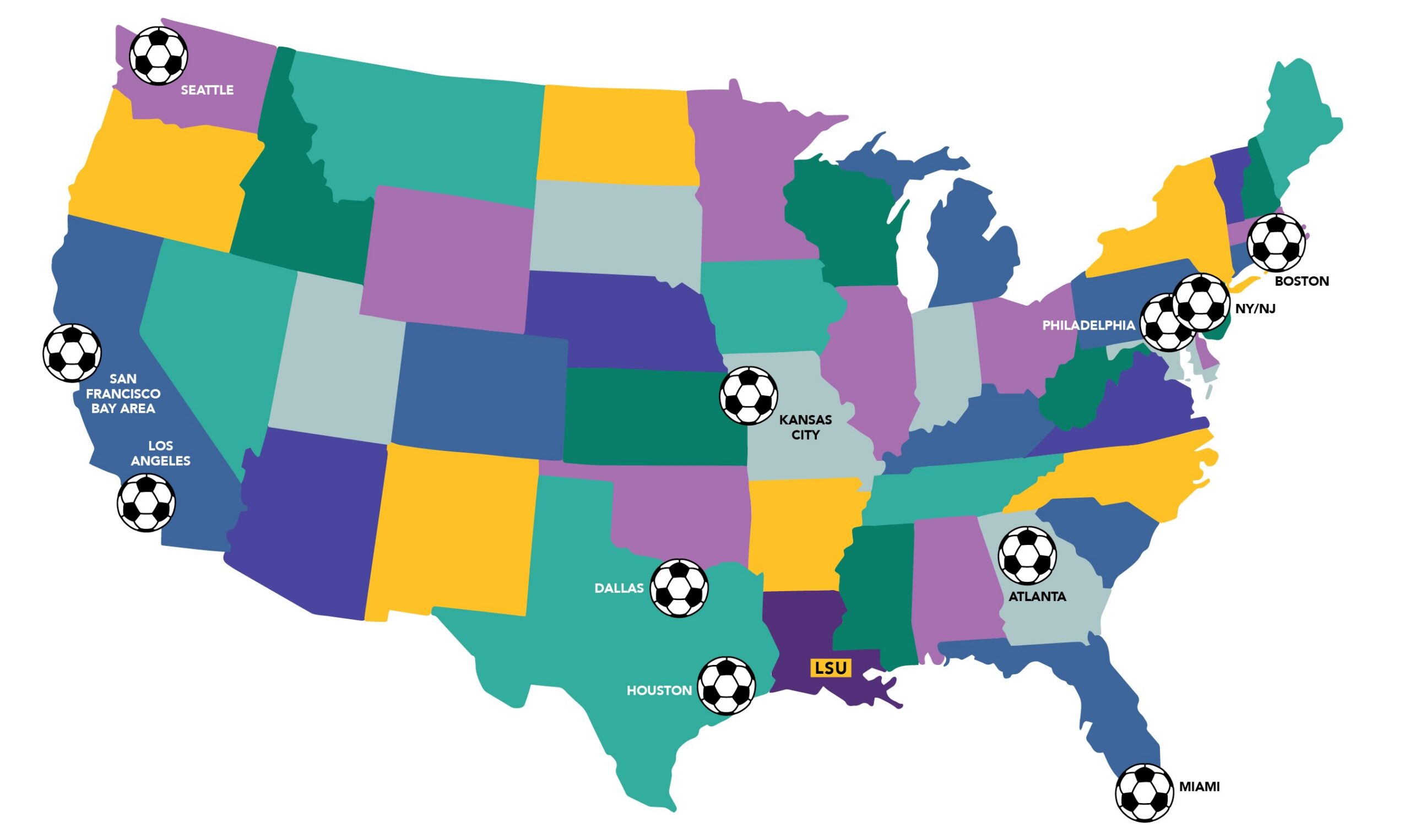
This year’s World Cup is big—really big—with an anticipated 5 million fervent fans passing through the gates of 16 stadiums in three countries ready to belt out “Olé, Olé, Olé.”
Helping local communities prepare for the World Cup’s massive crowds has been the job of the federally funded National Domestic Preparedness Consortium, which includes the National Center for Biomedical Research and Training (NCBRT) Academy of Counterterrorist Education at LSU. The NCBRT has been in existence since 1998 and provides mobile emergency management training on biological threats, active shooter threats and other domestic security issues. It is one of several university-based centers that make up the consortium, says associate director of operations and plans Jason Krause.
LSU’s NCBRT has played a key role in preparing communities for the onslaught of visitors expected at World Cup matches, Krause says.
“We have been working to get the United States prepared for the World Cup for about two years now,” he says.
Host cities want to be ready, he says, and so do smaller nearby municipalities that may see tourism swell. Krause says the center has trained more than 30,000 participants in 77 different cities that will be impacted by an influx of visitors. Some of the classes have included topics like “Emergency Response to Domestic Biological Incidents” and “Active Threat Integrated Response,” he says.
Training cities and local law enforcement in how to mitigate domestic threats is nothing new, Krause adds.
“We help every year with Super Bowls, and things like the Democratic and Republican National Conventions,” he says. “All these things are considered national special security events.”
Next up for the NCBRT? Helping Los Angeles and other host cities prepare for the 2028 Summer Olympics, Krause says.
The takeaway: If you’re lucky enough to pass through the turnstiles of a World Cup host stadium, know the NCBRT at LSU has played a part in the safety plan.
This article was originally published in the July 2026 issue of 225 Magazine