Summer of 26: A guide to Louisiana’s most unique outdoor destinations
Bike, paddle, drive or hike to explore our state 🚲🌳
1. Chimp Haven
Shreveport
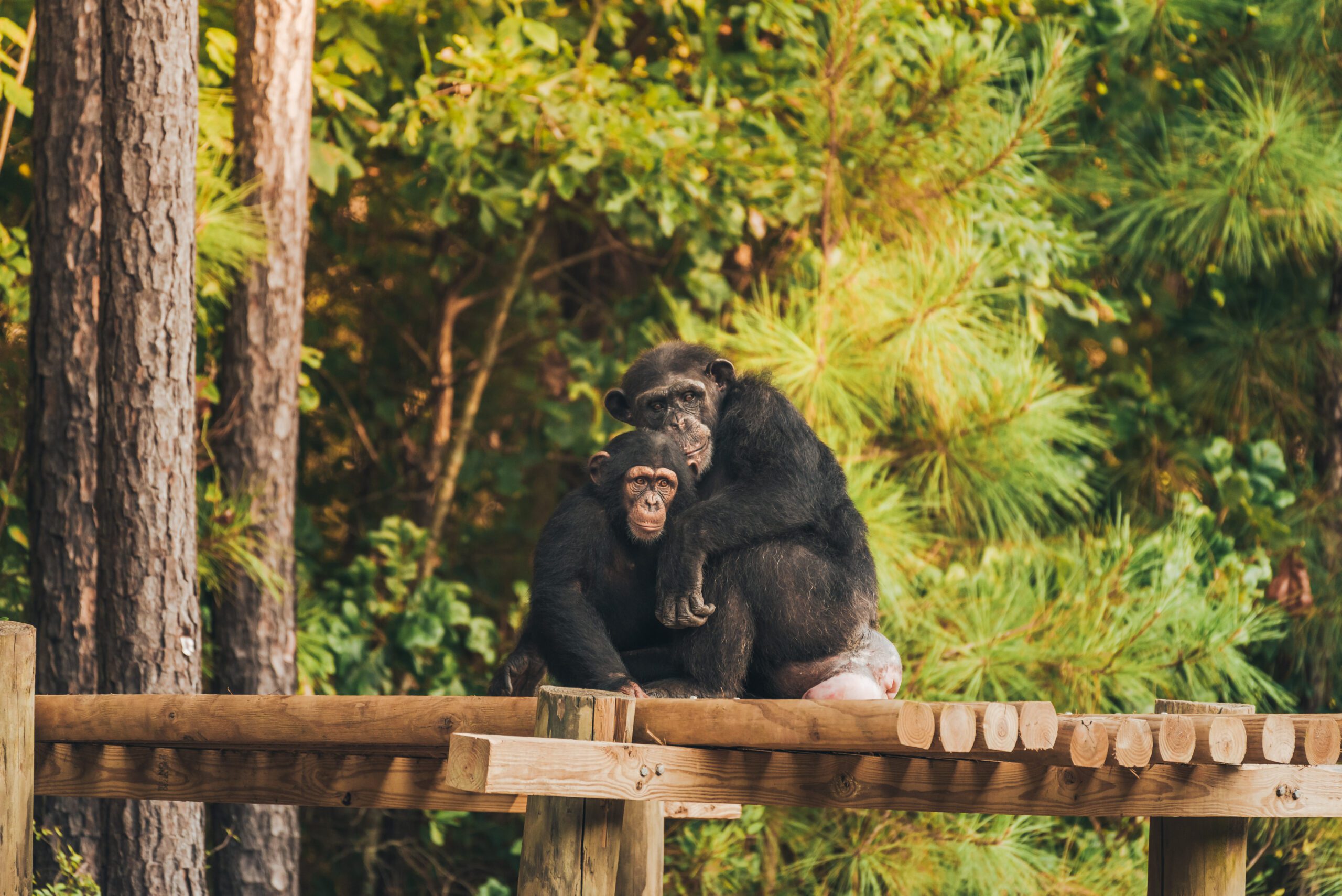
At this sanctuary, monkeying around is highly encouraged. Located in Shreveport, Chimp Haven is the world’s largest chimpanzee refuge, with 200 acres and nearly 300 chimps. The goal of the nonprofit is to provide federally owned chimps, most retired from research, an enriched, healthy life and the freedom to roam and hang out in nature. Scheduled tours and monthly events like Chimp Chats give the public a glimpse inside. chimphaven.org
 2. American Rose Center
Shreveport
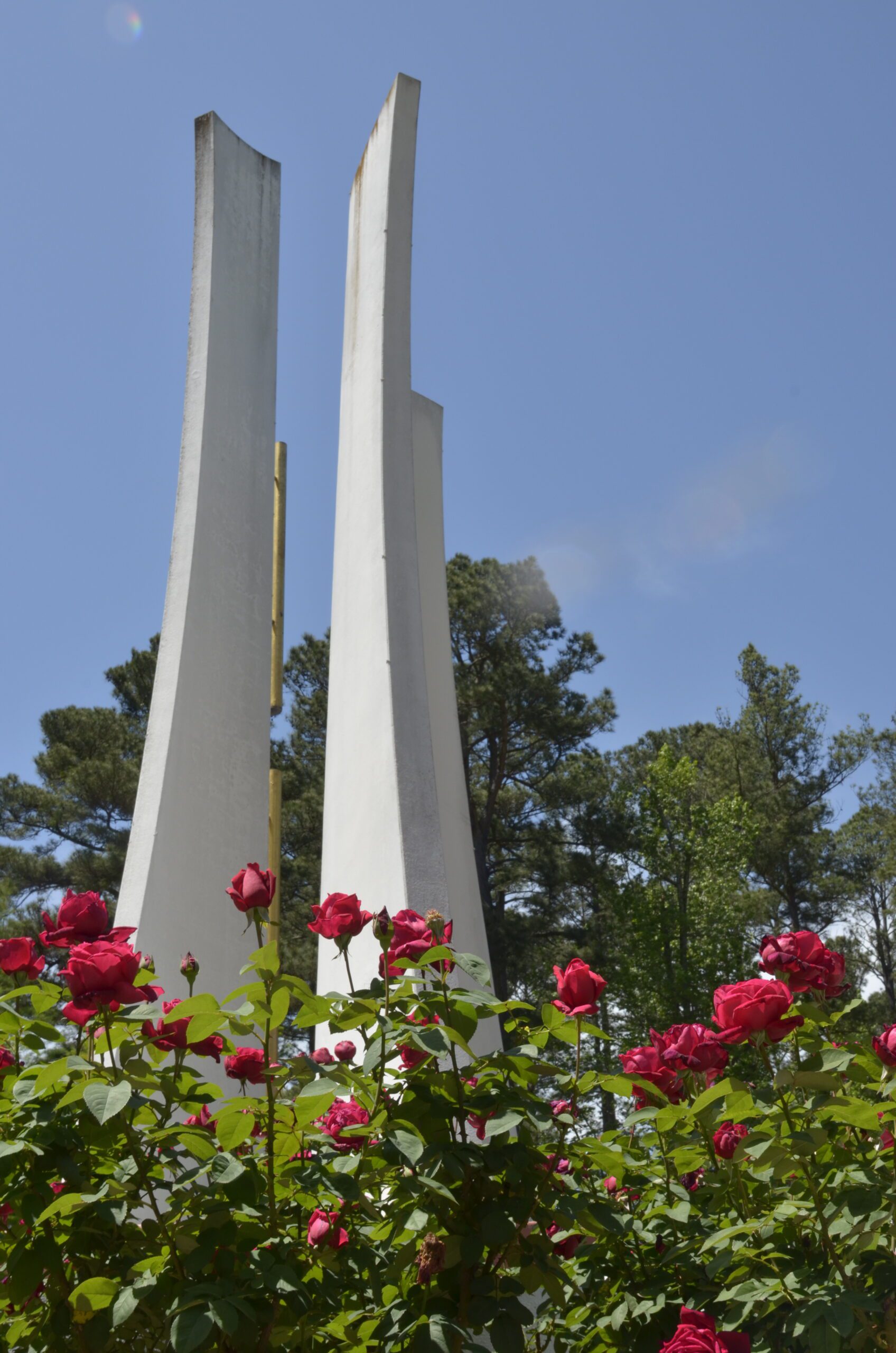
Stopping to smell the roses is a must at this blooming attraction, which is the country’s largest park devoted to roses. Serving as the national headquarters of the American Rose Society, these gardens sprawl over a 118-acre space filled with plants, statues, fountains and, of course, lots and lots of exquisite rose specimens. See the thorny stars at their peak until late May or from mid-September to late October. rose.org/american-rose-garden
3. Poverty Point World Heritage Site
West Carroll Parish
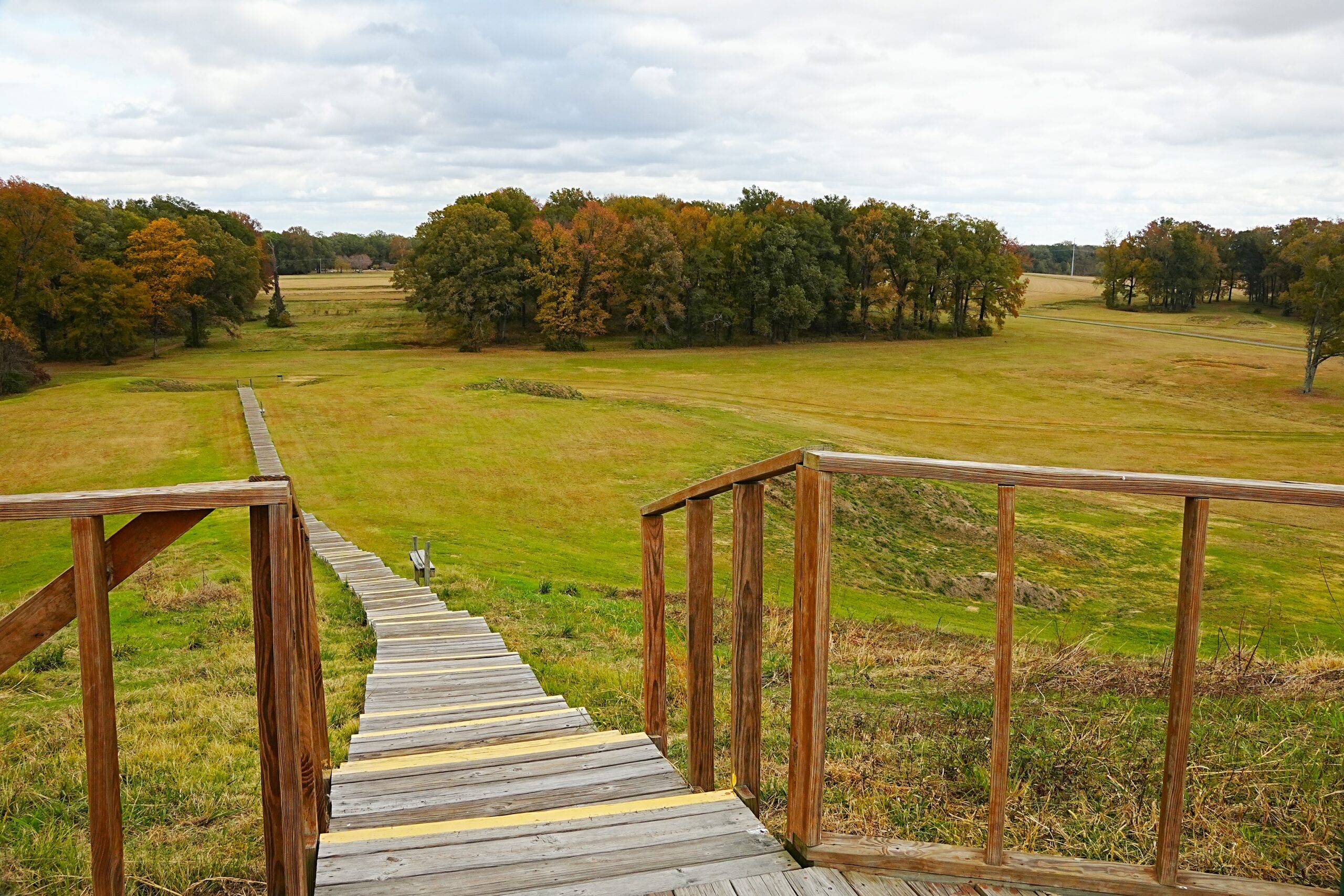
First formed in about 1500 B.C., these earthworks give a snapshot of life during the time of early Native Americans. The site features large man-made mounds and semi-circular ridges created by ancient civilizations and used for trade, ceremonies and other tribe happenings. In-ground structures and a vast collection of artifacts left behind give an idea of what everyday life was like for these native people, who exchanged goods, foraged and dwelled near here. povertypoint.us
4. RW Norton Art Gallery & Gardens
Shreveport
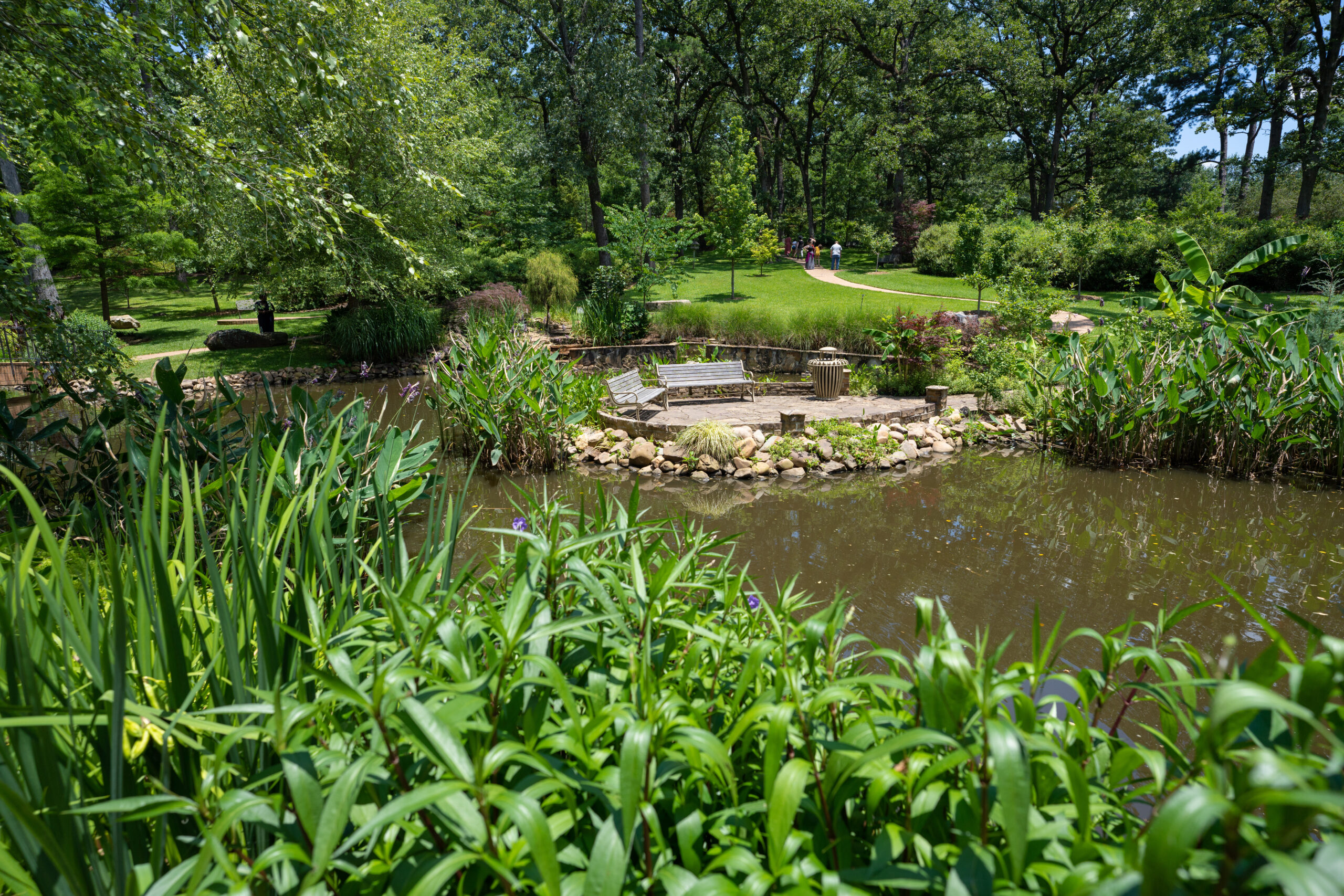
This gallery, born out of a family’s love for fine art, now welcomes visitors and aficionados to pore over works that span thousands of years. Just outside, botanic gardens featuring 40 landscaped acres provide natural artworks of native azaleas, irises, coneflowers, lilies and other blooms. rwnaf.org
5. Eagle’s Nest Paddle Trail at Black Bayou Lake National Wildlife Refuge
Monroe
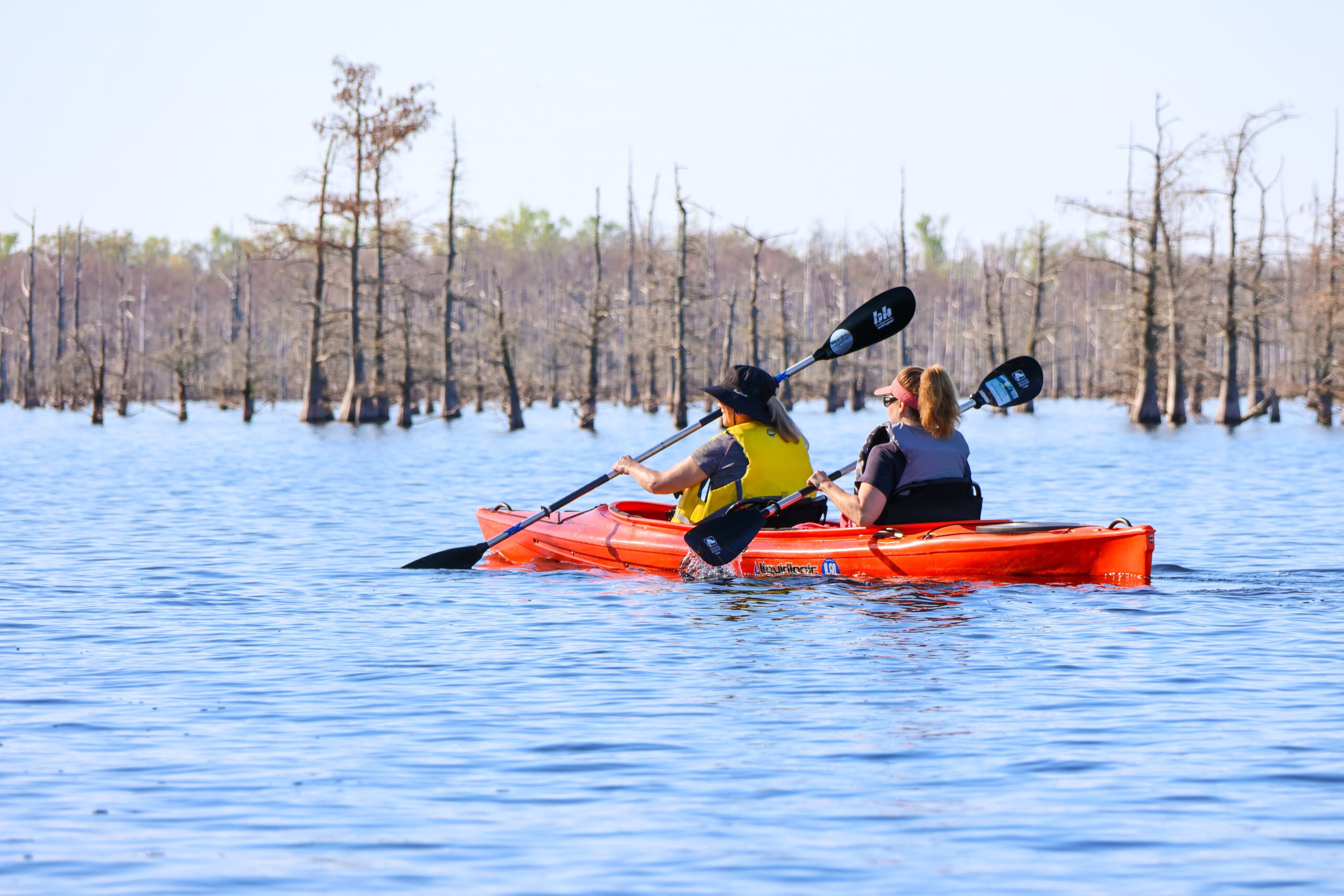
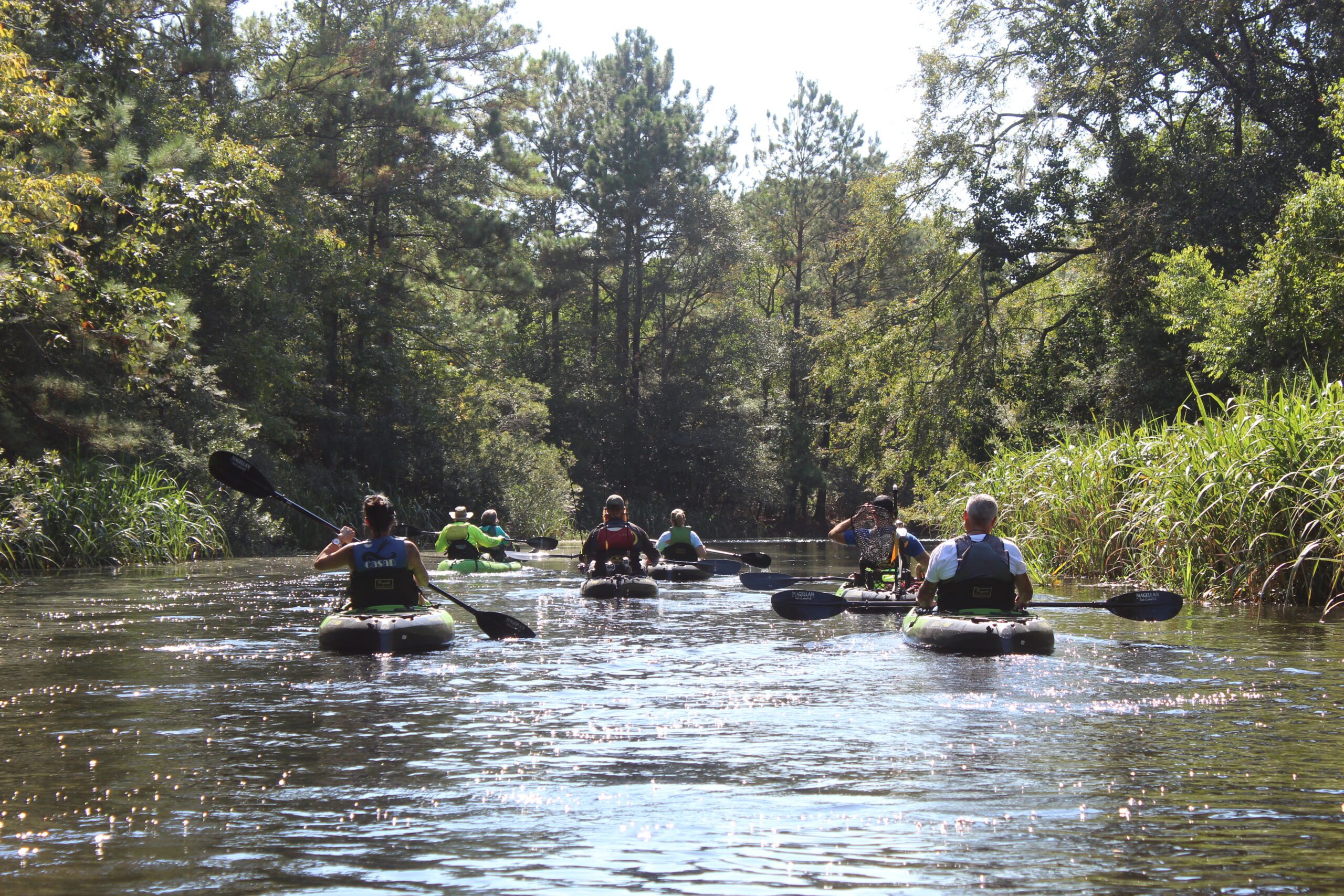
Tucked among quiet neighborhoods on the northern outskirts of Monroe is a picture-perfect wildlife refuge with a 1,600-acre moss-draped lake at its heart. The best way to explore this natural gem is by paddling its shallow waters, getting up close to the bald cypress and water tupelo trees that line the 5.1-mile out-and-back trail.
That’s about two and a half to three hours of serene time on the water. Along the way, you may spot alligators and turtles sunning themselves by the water, as well as coyote and deer lurking on the shore. Bring binoculars so you can spot the paddle trail’s namesake eagles nesting with their babies in areas only visible from the water.
The Black Bayou Eagle’s Nest Paddle Trail is part of the Ouachita Paddling Trails, a network of six waterways that range from still lakes to the more challenging open water along the Ouachita River. Throughout the year, Ouachita Paddling Trails network hosts guided paddles at Black Bayou Lake and the other waterways; check the Discover Monroe-West Monroe Facebook page for details on upcoming events. Kayaks are available for rent from Ouachita Paddle and Provisions in West Monroe, which also sells gear for paddling and camping.
Before or after tackling the paddle trail, stop at the restored 1880s Acadian-style house that serves as the wildlife refuge’s visitor center to explore interactive exhibits, then check out the conservation learning center to see live animal exhibits. fws.gov/refuge/black-bayou-lake
6. Biedenharn Museum and Gardens
Monroe
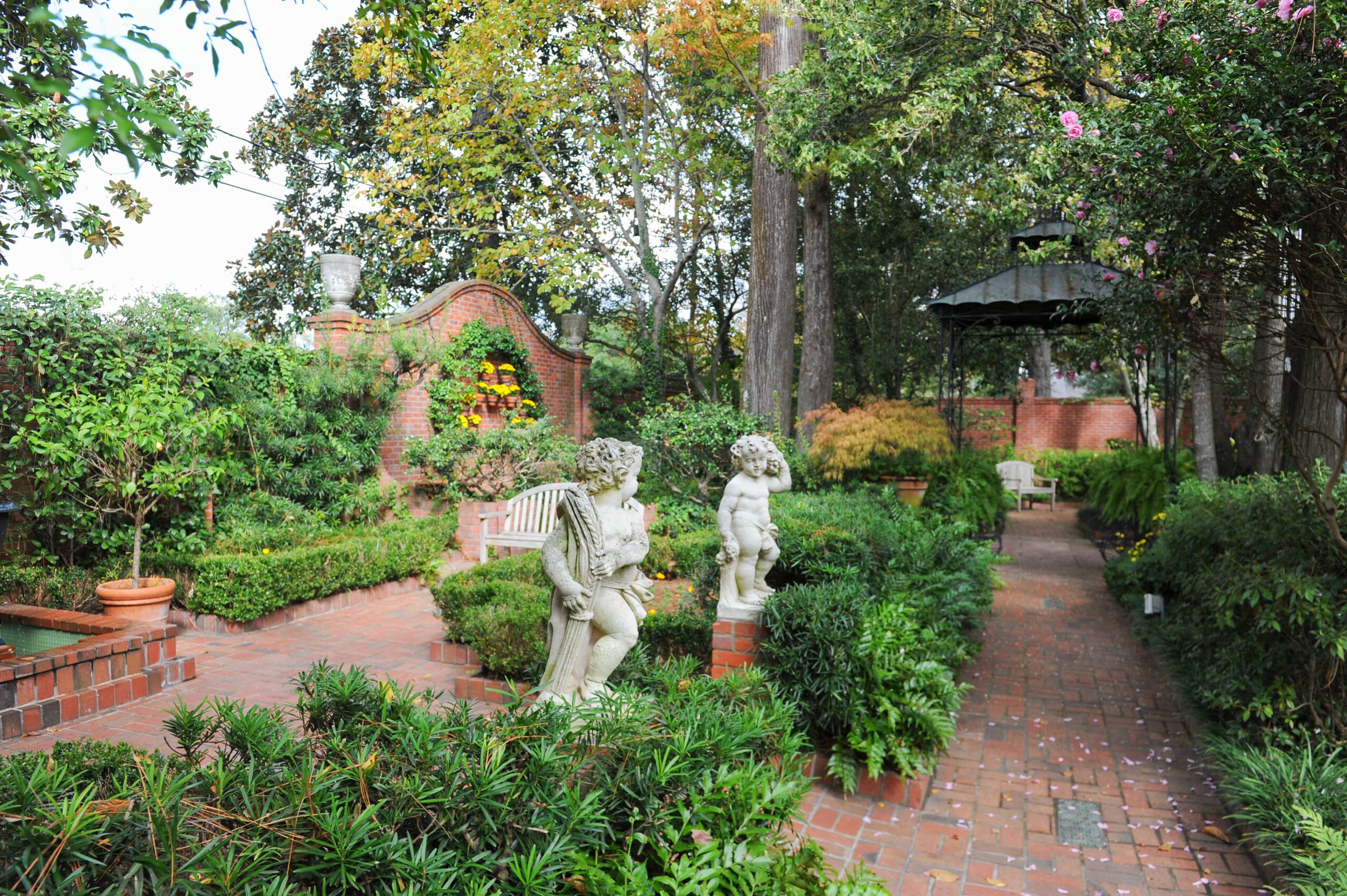
With two museums, gardens and a historic home to explore, there’s sure to be something to pique your interest at this complex in Monroe. Learn about the Louisianan who first bottled Coca-Cola and browse a collection of Bibles kept by his daughter, opera singer Emy-Lou Biedenharn, who also developed the grounds’ Elsong Gardens after being inspired by English design on trips to Europe. bmuseum.org
7. Cane River Creole National Historic Park
Natchitoches
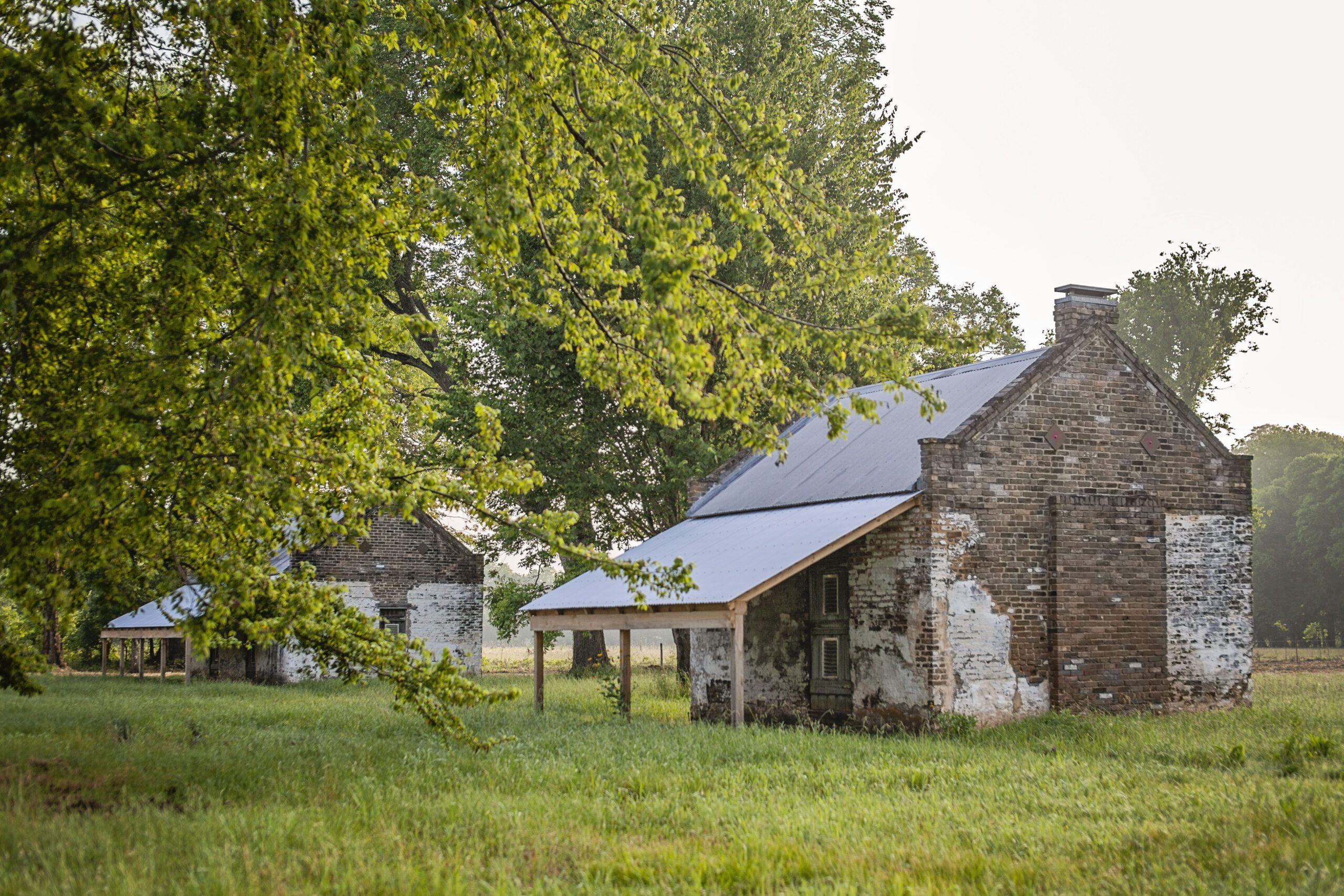
Creole history comes alive at this site that features a railway depot, two plantations, trails and other historic structures. Through guided tours and self-guided, audio-aided exploration, visitors can learn about those who lived on the land for 200 years. nps.gov/cari
8. Kisatchie National Forest
Pineville
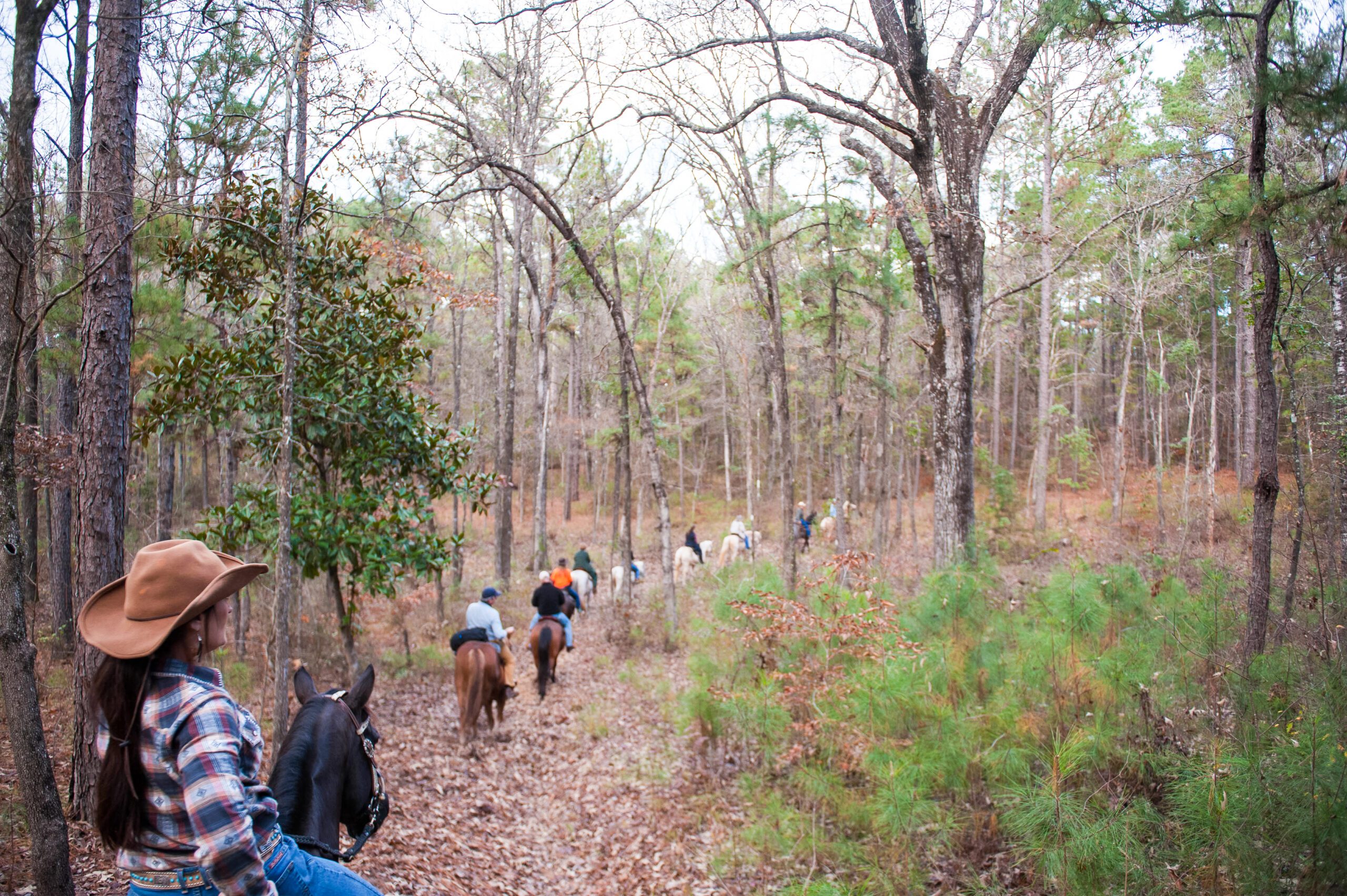
Spanning seven parishes and encompassing more than 604,000 acres, the Kisatchie National Forest is an escape into central and north Louisiana’s piney woods, a shady respite from the summer heat. With well-maintained trails, the state’s only national forest is a great place for a day hike or a weekend of camping—complete with stunning foliage, fresh air and birdsong.
If you’ve never been to Kisatchie, figuring out where to start can seem intimidating. Among the most popular experiences are the Valentine Lake Recreation Complex and the Wild Azalea National Recreation Trail. From Baton Rouge, it takes just over two hours to reach this part of the national forest.
The secluded recreation area around the 46-acre Valentine Lake is a convenient place to situate yourself for hiking, biking, camping, fishing and picnicking. Motorboats aren’t allowed, making it easier to catch the sound of water lapping and frogs croaking. Bring along a fishing pole and drop a line from one of two fishing piers. There are 14 first-come, first-served campsites, six of which are positioned on the shoreline.
The area is also home to the northern trailhead of the famed Wild Azalea National Recreation Trail, known for its spring color and year-round beauty. Most visitors don’t tackle the trail in its entirety, opting for an out-and-back journey of their own design.
On the drive back to Baton Rouge, slow down in Krotz Springs and pick up a link of boudin or a sack of cracklins. The town is known for two things: speeding tickets and an impressive concentration of Cajun meat markets. fs.usda.gov/kisatchie
9. Rip Van Winkle Gardens
New Iberia
Swaying Spanish moss and roaming peacocks are the hallmarks of this lush stop, which also features hundreds of old oak trees, resident spoonbills, 15 acres of semitropical gardens and an 1870s mansion once owned by Joseph Jefferson, the actor known for playing Rip Van Winkle. Stop by to walk through the gardens and then stay a spell at the on-site cottages or get a bite at Cafe Jefferson. ripvanwinklegardens.com
10. Jungle Gardens
Avery Island
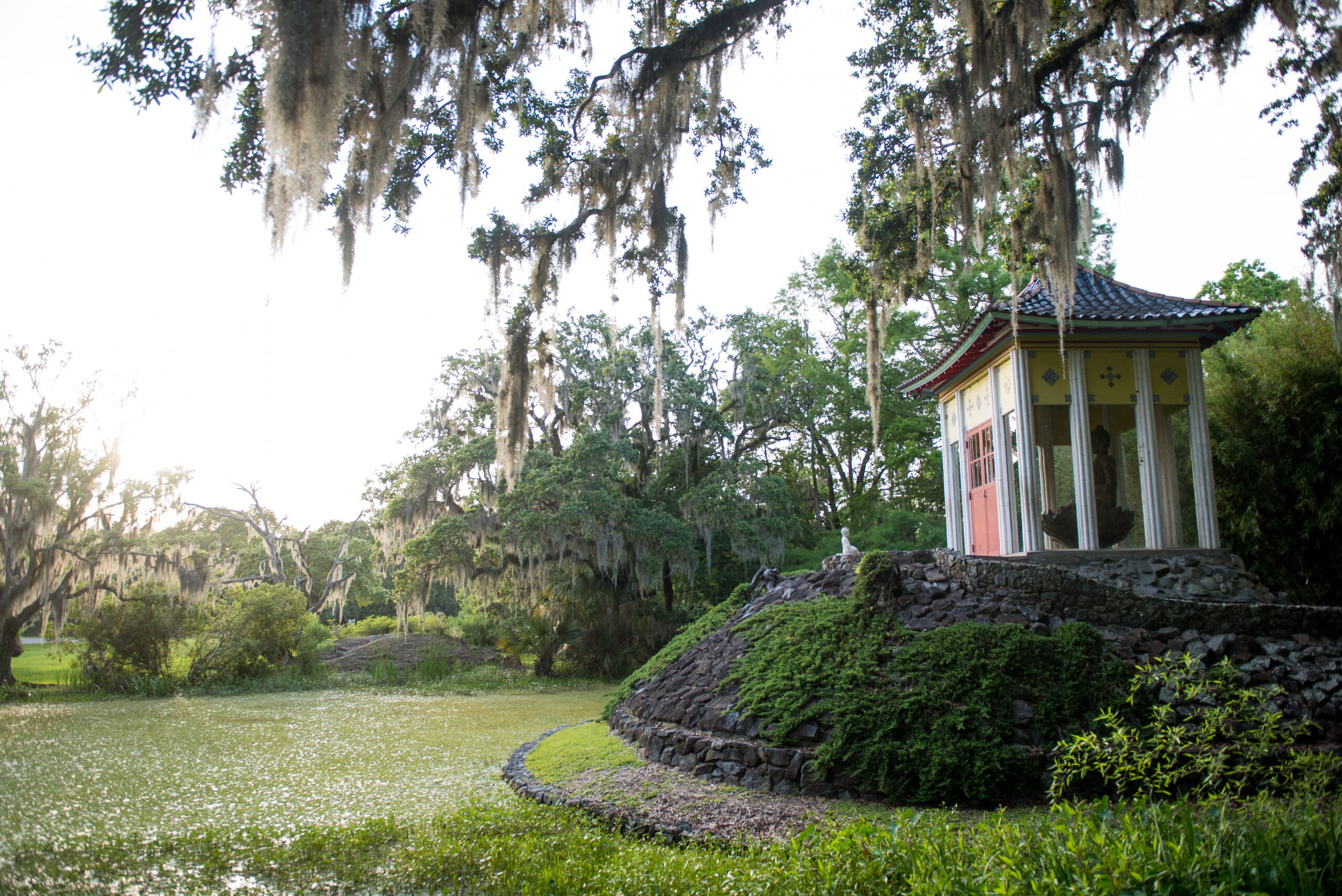
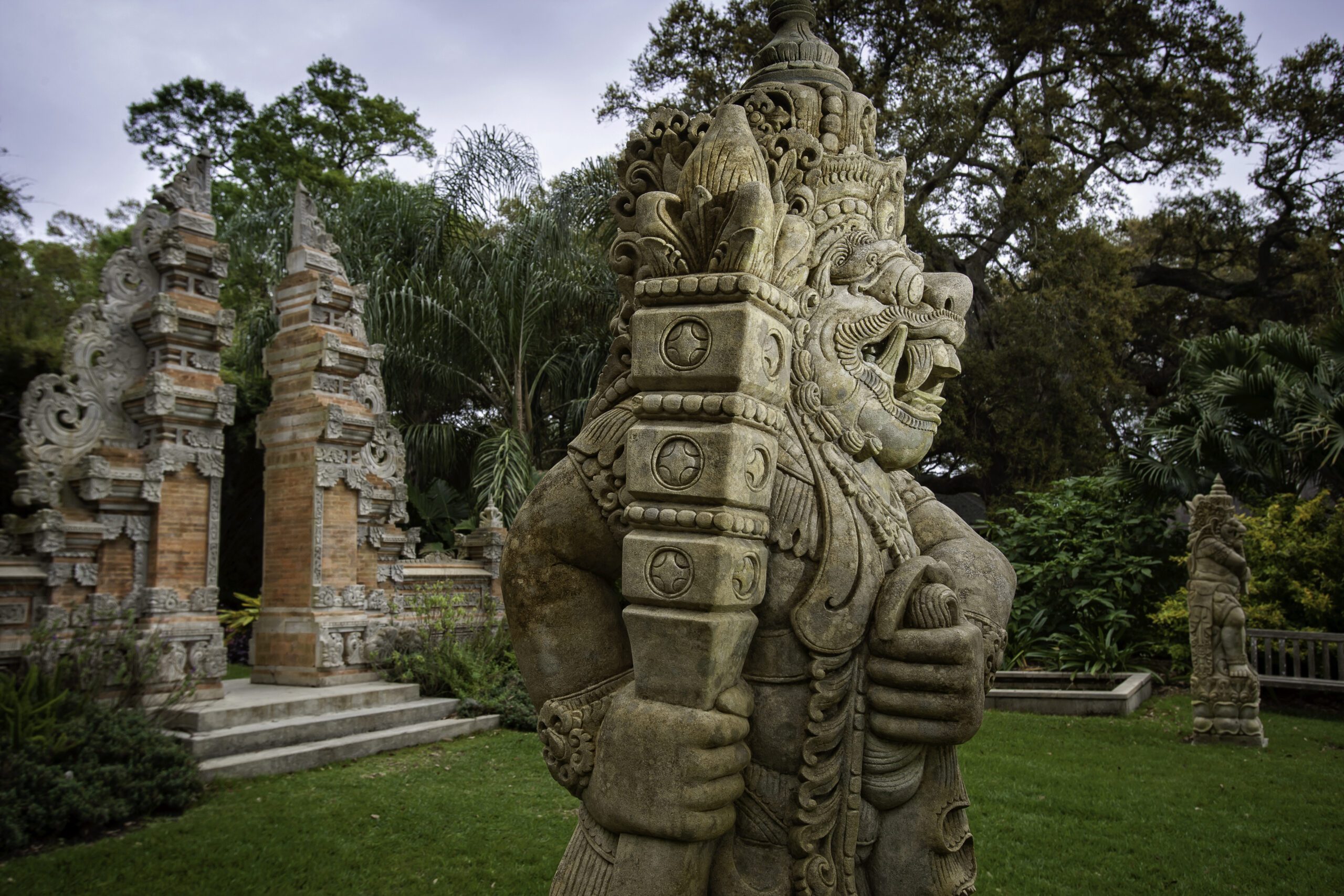
Cool down from a Tabasco factory tour by taking a stroll or roll through this semitropical garden, located near the saucy operation. First opened to the public in 1935, Jungle Gardens was born from Edward Avery “Ned” McIlhenny’s love and curiosity for nature. Once McIlhenny’s private estate dedicated to conservation, the attraction is brimming with must-see features, including a large Buddha statue, a waterbird colony known as Bird City, tall bamboo stalks and native wildlife. junglegardens.org
11. Bayou Vermilion Paddle Trail
Lafayette
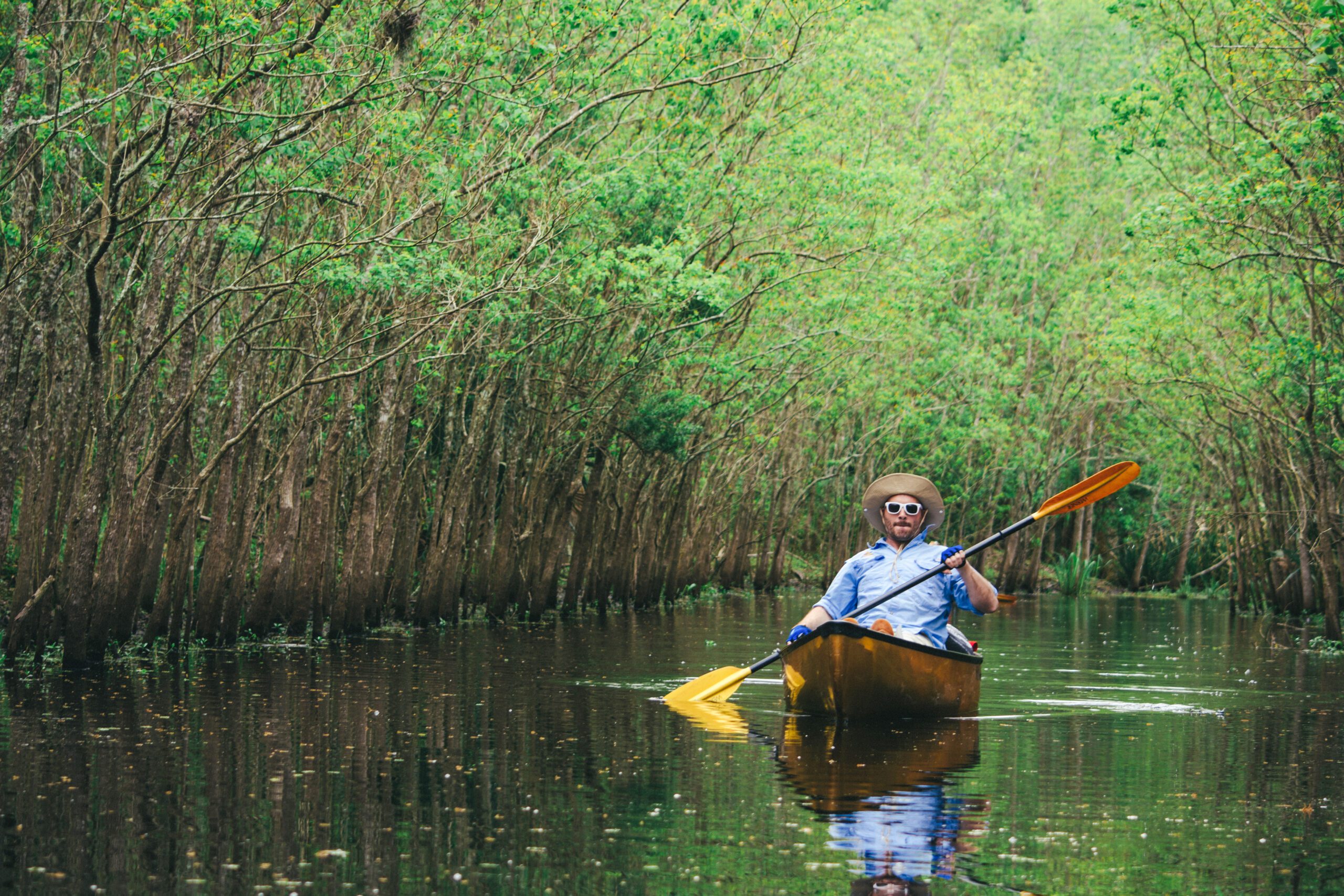
Hop into your canoe or launch your boat on this water trail with branches extending from the Vermilionville living history museum to Acadiana Park Nature Station and Lake Charlo. Armed with an interactive online map, those cruising the trail can dock at places along the way, including recreation areas and local businesses, before paddling on. apps.lafayettela.gov/paddletrail
12. Prehistoric Park
Breaux Bridge
Step back into the land before time at this family-
friendly park where dinosaurs come to life. Learn about all types of prehistoric creatures that once ruled the world by embarking on a tour of the attraction’s Dinosaur Trail, packed with towering figures that move and roar. Kiddies can live out their Jurassic Park dreams by buzzing around in tiny safari cruisers or playing paleontologist in the sandy, bone-filled fossil pit. Talk about a rawr-some time! prehistoric-park.com
13. The Beast
St. Francisville
You’re not going to want to forgo a helmet for this one. Better yet, suit up for this biking trail with all the protective gear. With 8 miles of steep slopes, deep dips, bridges and challenging turns, even adrenaline junkies will want to hold on tight to their handlebars. Located in the West Feliciana Parish Sports Park, The Beast traverses through wooded hills and deep ravines and is considered one of the state’s most challenging trails. wfprec.com
14. Last Wilderness Swamp Tours
Plaquemine
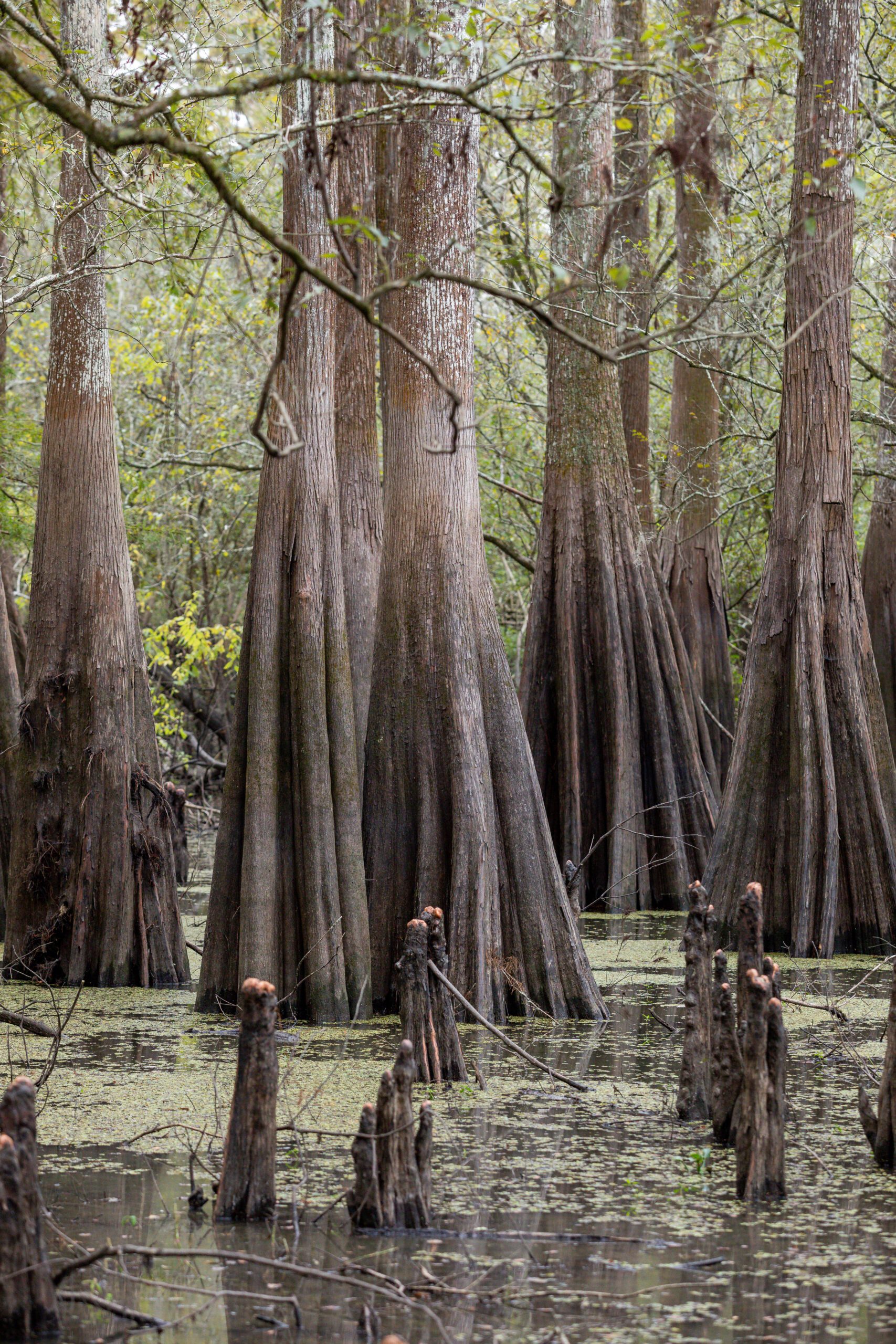
A swamp tour might spark images of airboats whooshing through waterways in search of marshmallow-fed gators, but there’s a more serene way to enjoy Louisiana’s aquatic beauty. Small-group excursions by Last Wilderness Swamp Tours reveal the Atchafalaya Basin through a tranquil lens.
The family-run business provides guided boat tours for up to six or guided kayak tours for up to 10. Private tours are also available. Last Wilderness was founded by Dean Wilson, who serves as executive director of the conservation nonprofit Atchafalaya Basinkeeper, along with his son Al Wilson and daughter Silvia Wilson Drinkwater. Dean grew up in Spain, and the three proprietors offer tours in Spanish and English.
The excursions are a chance to lose yourself in the majestic Atchafalaya, home to Spanish moss-draped cypress trees and scores of wildlife.
Last Wilderness doesn’t use airboats, which can disrupt fauna. Instead, guests board a motorboat or kayak to wind through channels between cypress knees. The tour company also doesn’t lure wildlife by feeding them. They let things unfold naturally. Take along water and snacks, and wear sunscreen. This is a chance to see Louisiana’s best side up close and personal. lastwildernesstours.com
15. Mary Ann Brown Nature Preserve
St. Francisville
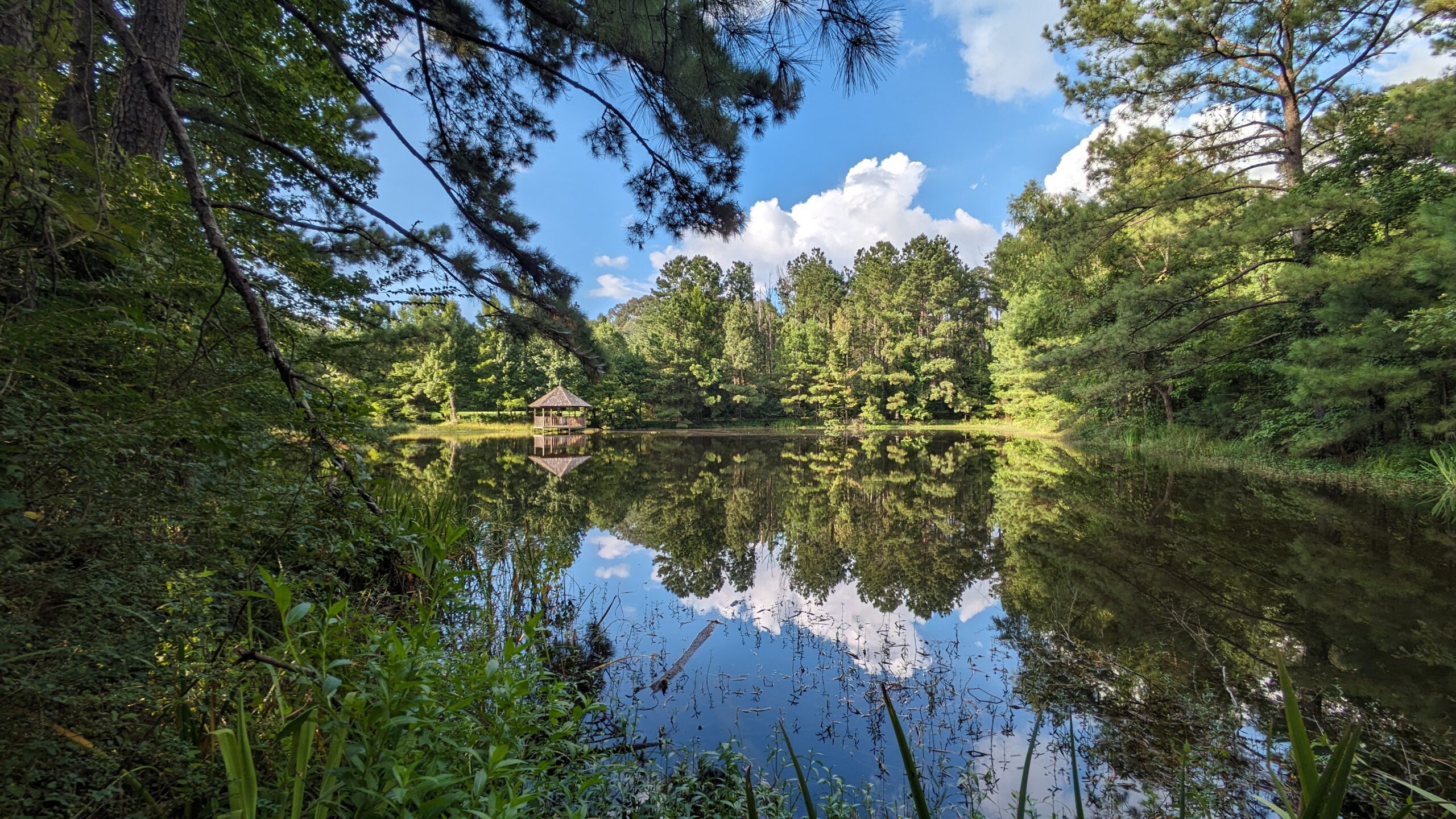
Escape from the hustle and bustle of city life as you explore 109 pristine acres of nature. At this home of local flora and fauna, expect to spot chipmunks, birds, native blooms, butterflies and more. Get your steps in by embarking on a self-guided hike on one of the preserve’s well-marked trails, or simply get lost in the great outdoors by taking in the sights and sounds of this preserved green space. nature.org
16. Cat Island National Wildlife Refuge
St. Francisville
Have you ever seen a 96-foot-tall, 1,500-year-old bald cypress tree? Gaze upon the rooted behemoth at the Cat Island National Wildlife Refuge, a 10,000-acre habitat that’s home to diverse wildlife and ripe for outdoor adventures. Cast a line, observe migratory songbirds, or go for a hike on an easy trail that leads right to the national champion tree itself. fws.gov/refuge/cat-island
17. Mountain Bike Park at Bogue Chitto State Park
Franklinton
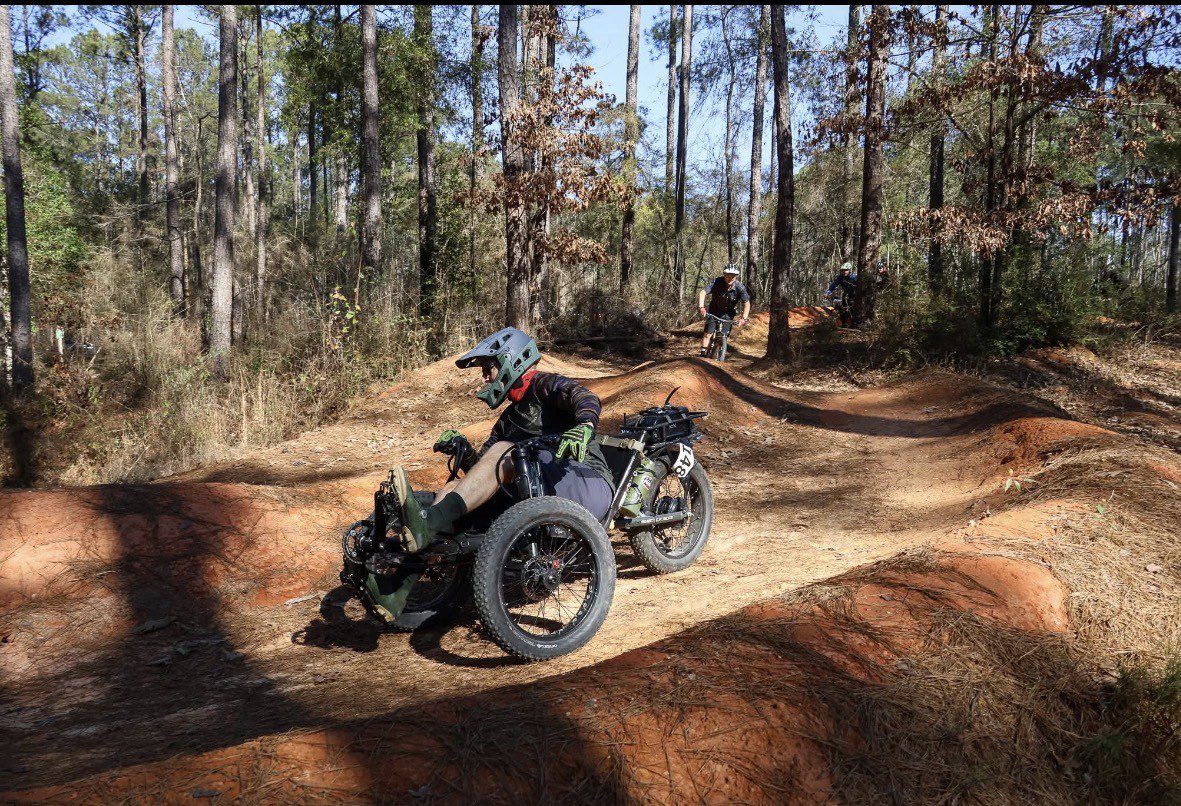
Dirt paths and mounds bob and weave throughout this park that’s ideal for the adventure hungry. The trails accommodate all mountain bike experience levels, with tracks for beginners and a dual-slalom course, wall rides and a Tower of Terror jump for experts. The space also supports veterans who use the bike park for adventure-based therapy. lastateparks.com
18. River Road African American Museum
Donaldsonville
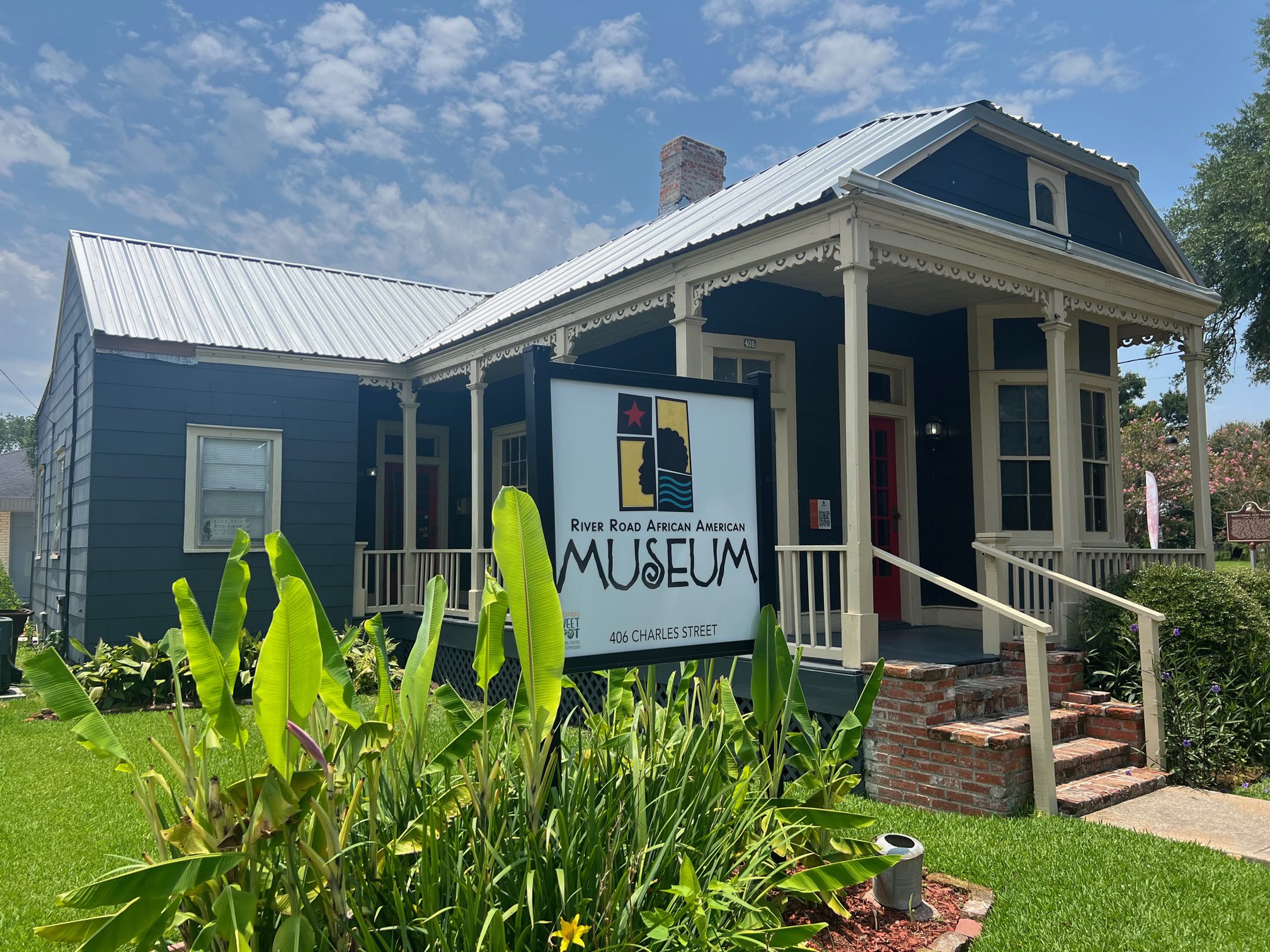
Reopened in March after a two-year-long renovation, this museum educates the public about African American history in south Louisiana through exhibits, artifacts, art and historic structures. With a location in Donaldsonville, right smack in the middle of what’s known as “Plantation Country,” the space has spent over 30 years dedicated to addressing the history that is often underrepresented or overlooked in traditional retellings. riverroadaam.org
19. Cane Bayou Canoe Trail at Fontainebleau State Park
Mandeville
Grab your paddles, zip up your life jacket and get ready to cruise along this water trail popular with canoers and kayakers. This trail may only be about a mile and a half long, but it’s packed with different sights and wildlife as the water meanders through marshes and along shorelines. Cane Bayou is one of many waterways that feed into Lake Pontchartrain, but unlike others, it has largely kept its natural state, seemingly unchanged and unaltered. canoeandtrail.com/cane-bayou
20. Tammany Trace
St. Tammany Parish
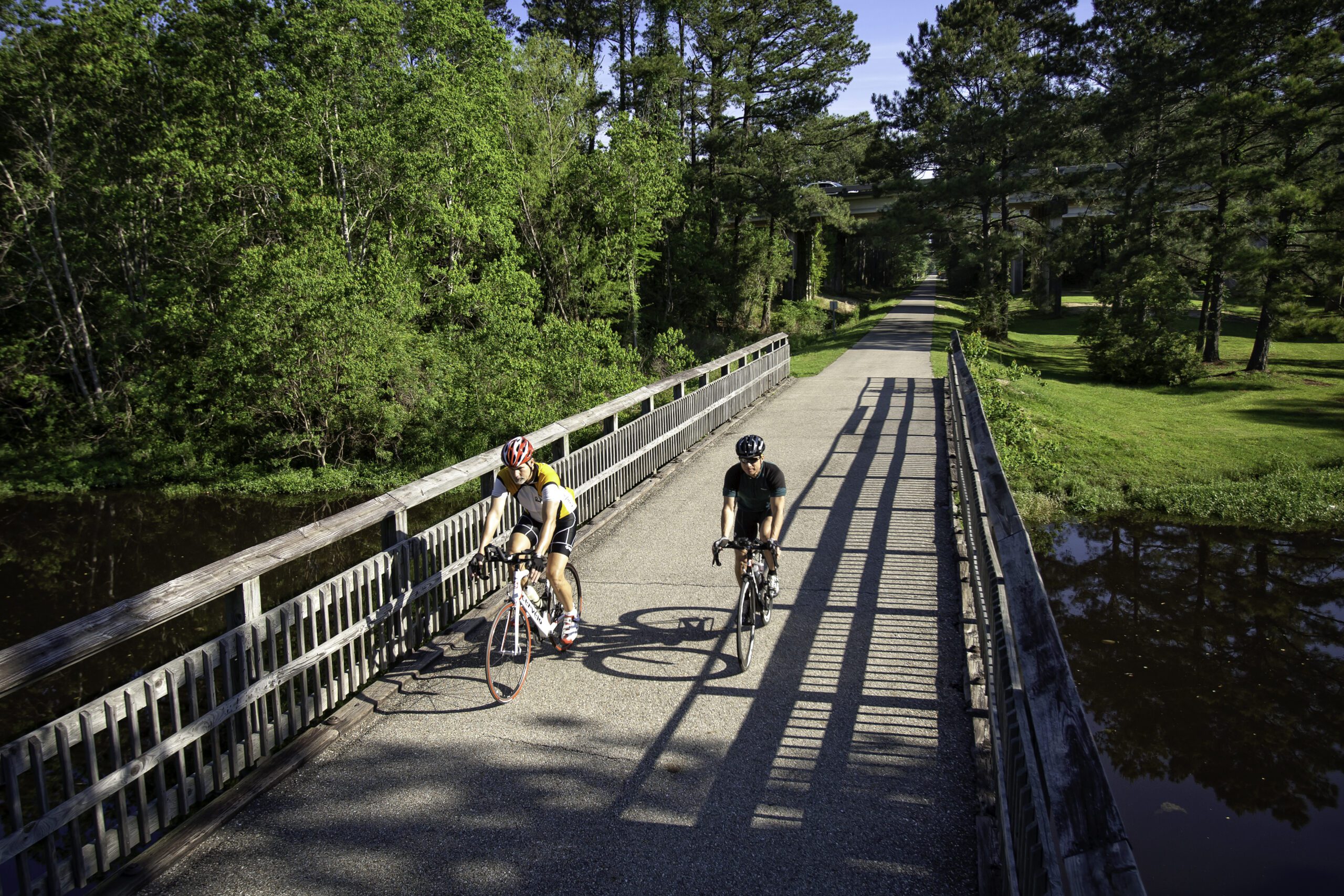
Across the United States, abandoned rail lines are being transformed into smooth trails for biking, blading, scooting and strolling. One of the best examples of this is the Tammany Trace, which stretches from downtown Covington to Slidell. Covering 31 miles that run through Abita Springs, Lacombe and Mandeville, the trail allows hikers and bikers to take a tour of the Northshore with spots to stop at local coffee shops, restaurants and other nearby attractions.
The paved pathways also hold a bit of the area’s history as the stretch was once used by the Illinois Central Railroad. The abandoned tracks were purchased by St. Tammany Parish government in 1992 and were remodeled and asphalted to become pathways for pedestrian use, thanks to grants and federal funds. It has since been extended to cover more area. A 2017 inductee in the Rails-to-Trails Conservancy’s Hall of Fame, the Tammany Trace provides a safe space to trek with historical significance, while also giving its users access to both Louisiana’s landscape and the Northshore’s retail and culinary hidden gems.
“The Tammany Trace is the crown jewel of St. Tammany Parish, attracting over 300,000 visitors annually to our 31-mile trail,” St. Tammany Parish President Mike Cooper says. “The Trace is more than just a trail; it is the cultural heart of St. Tammany.” stpgov.org
21. Besthoff Sculpture Garden at New Orleans Museum of Art
New Orleans
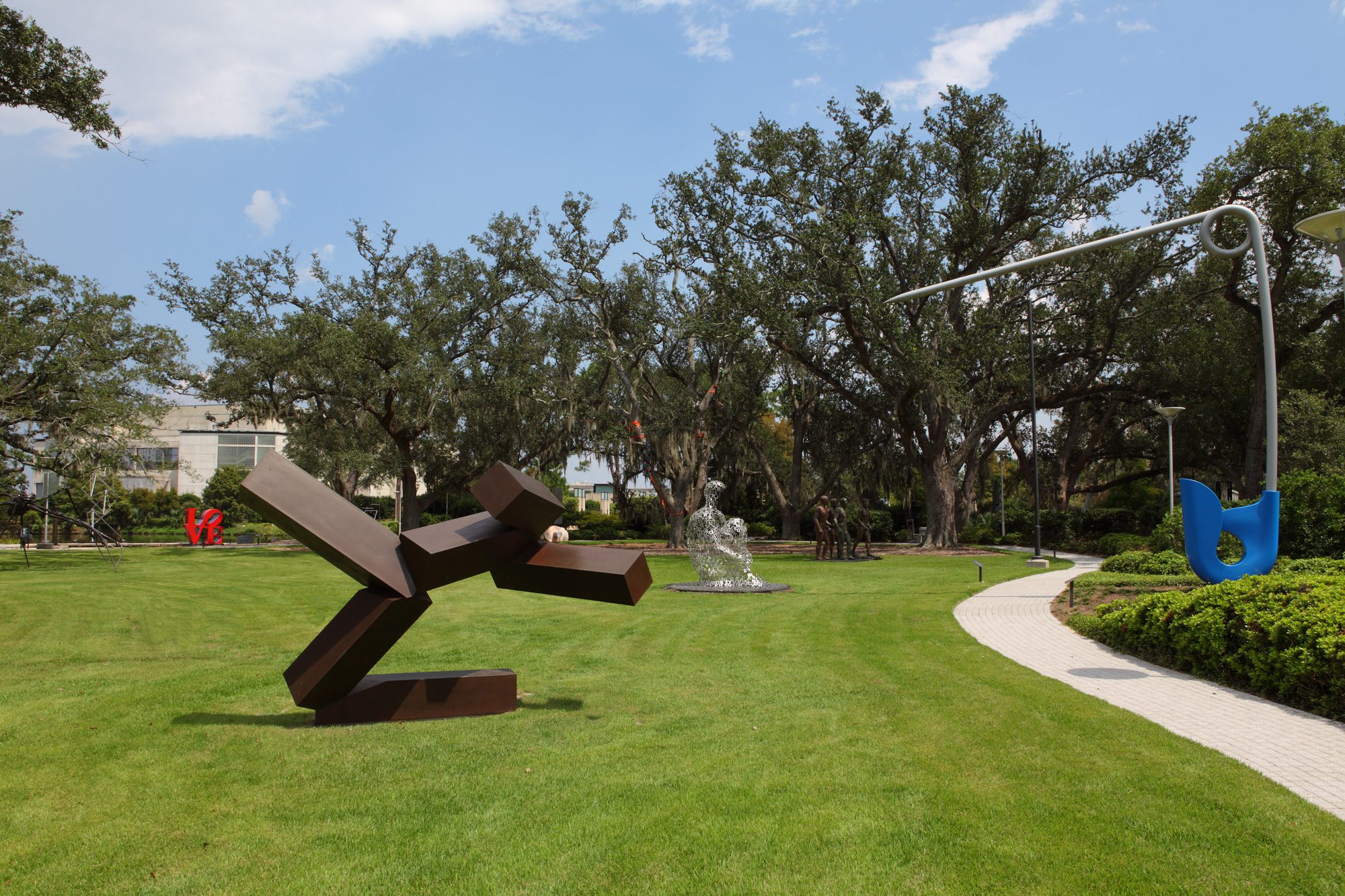
After browsing the collection of paintings, artifacts and other works at NOMA, take a detour outside the museum to gaze at the larger-than-life displays in its adjoining sculpture garden. Featuring over 90 works, including a towering safety pin, a mirror labyrinth and Robert Indiana’s iconic LOVE sculpture, this collection exists within the lush landscape of City Park, enhancing the outdoor space rather than distracting from it. noma.org/besthoff-sculpture-garden
22. Peveto Woods Sanctuary
Holly Beach
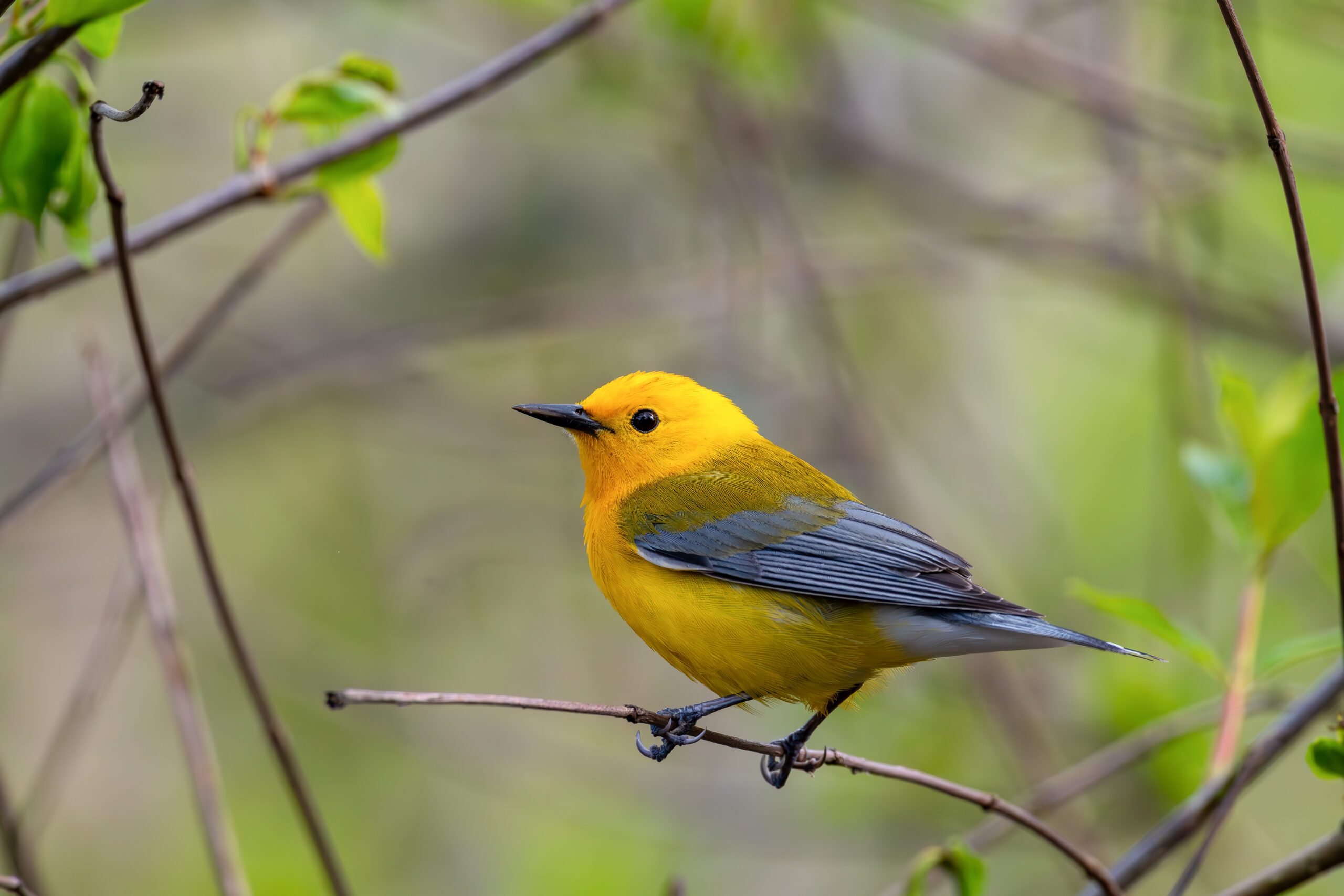
Calling all birders! Grab your field guides and binoculars and head to this 40-acre coastal sanctuary preserved by the Baton Rouge Audubon Society. With a location south of Lake Charles that’s right in the middle of migratory paths that cross the Gulf of Mexico, Peveto Woods provides refuge for birds that need to rest their wings or take a break from the long flight path, making it a great place to spot a variety of species. braudubon.org/conservation/sanctuaries
23. NOLA Motorsports Park
Avondale
Satisfy your need for speed at the nation’s largest karting track, located just 30 minutes outside of New Orleans. Grab a go-kart and race around the 2.75-mile track complete with 16 turns and a mile-long straightaway. Check the website calendar for NOLA Track Events that allow participants to bring their own cars and motorcycles onto the track. nolamotor.com
24. Mandalay National Wildlife Refuge
Houma
With over 4,000 acres of freshwater marsh and cypress-tupelo swamp, this wetland area provides a home and space to wade for waterfowl, migratory songbirds, fish and other wildlife. Coast through on a boat or take the short out-and-back nature trail to the observation deck at this refuge, which serves to conserve and protect the natural habitat. fws.gov/refuge/mandalay
25. Pintail Wildlife Drive at Cameron Prairie National Wildlife Refuge
Bell City
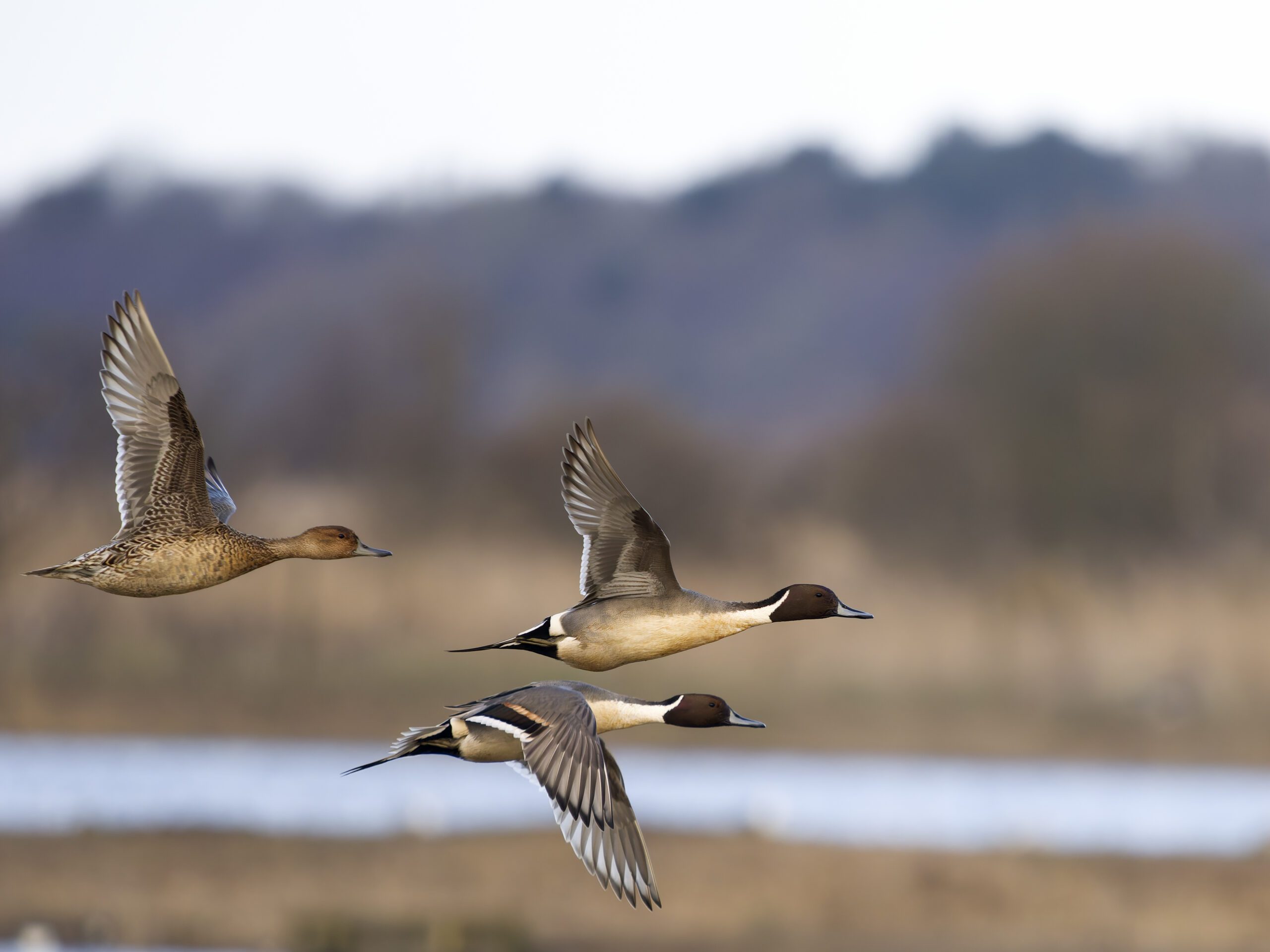
Observe migrating birds along with butterflies, ducks, geese and gators on this 3-mile loop that habitat hops through scrub, prairie and freshwater marsh southeast of Lake Charles. Connect with wetlands all while staying in the comfort of your car on the drivable trail, or step out onto the boardwalks to get up close to waterbirds and dragonflies. fws.gov/refuge/cameron-prairie
26. Louisiana Wetlands Education Center and Wetlands Trace
Jean Lafitte
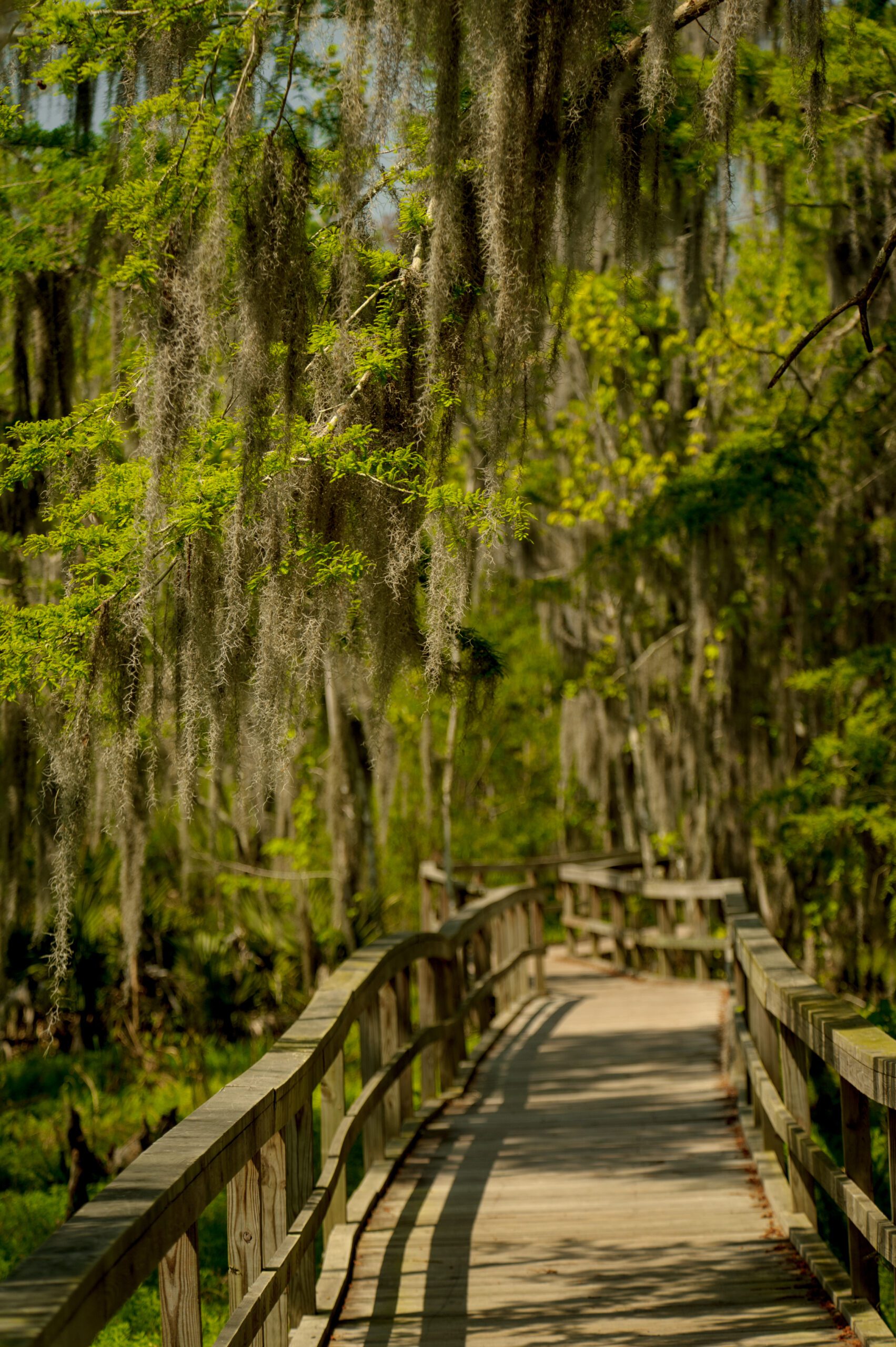
Newly opened in March in the Barataria Basin, this center focuses on the state’s coast, its environment, those who use it and preservation of the fragile area. After exploring the center’s immersive exhibits, experience the wetlands for yourself by walking along the adjoining boardwalks and trails in the nature preserve. louisianawetlandscenter.com
This article was originally published in the May 2026 issue of 225 Magazine.