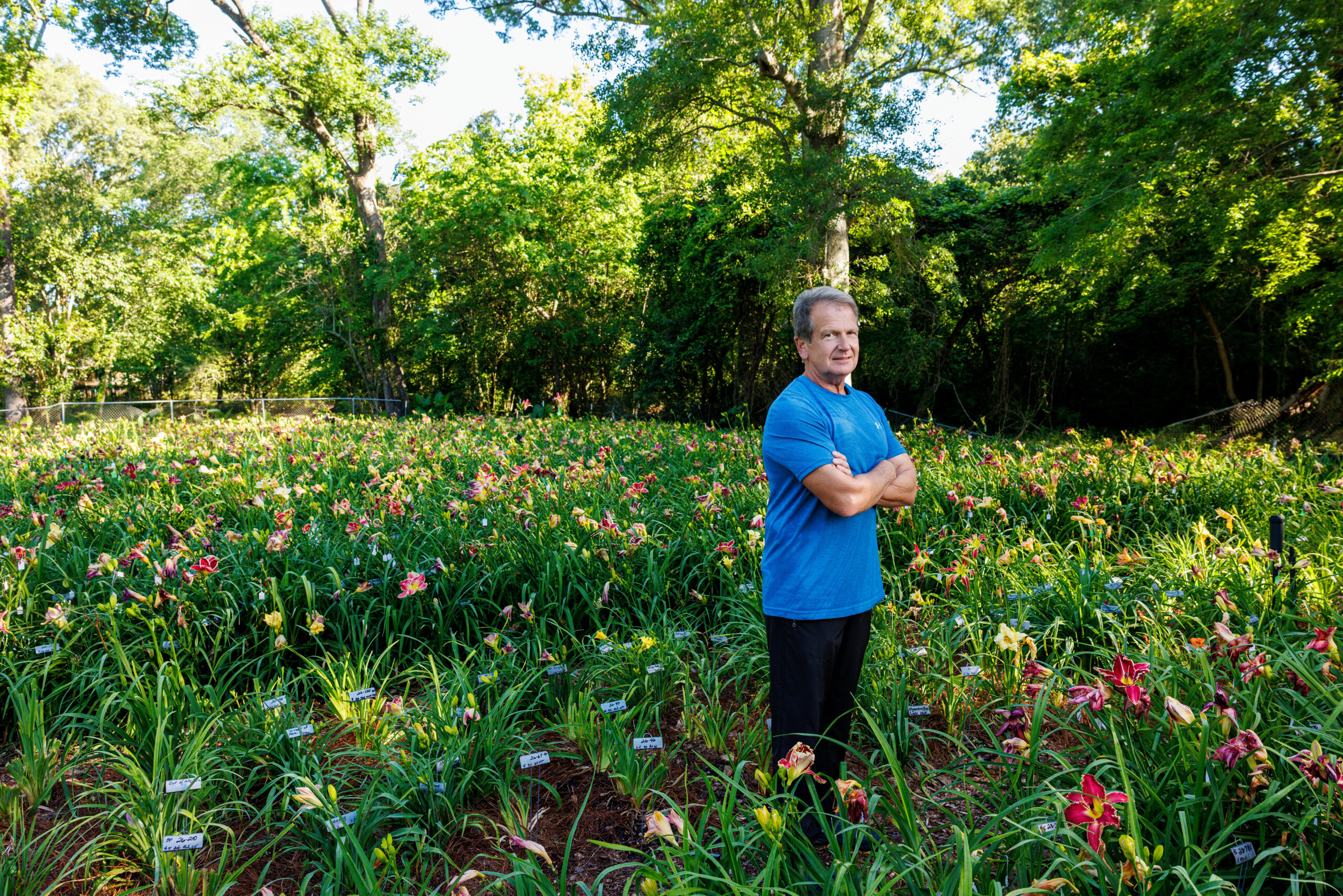
This garden enthusiast has a passion for daylilies
Coming to terms with impermanence is a heavy blessing. Knowing something is fleeting stirs grief, but it also inspires urgent affection for something that exists for only a moment and is gone just as quickly. Nothing embodies that so well as the daylily. A bloom that opens at dawn will fade as the hours pass, and the only way to see it in its full glory is to rise with it. It’s one of the reasons daylily grower and hybridizer Joe Goudeau III finds them so alluring. For him, every morning in the garden brings fresh blooms, new delights and more reasons to consider the lilies of the field.
Goudeau has always worked with his hands, but not always with daylilies. He’s a project manager with Stirling Properties by trade, and he’d never given plants much thought until a family vacation exposed him to what elevated horticulture could be.
“I actually fell in love with it on my first trip to Disney World in 1983. At that time, they were spending 25 cents of every dollar on their landscaping,” he says. “When I came back, I started landscaping the house we lived in, then other people asked me to do theirs. I used to think a daylily was just a yellow flower in your grandmother’s driveway. When I found out that there are hundreds of different flavors of flower, I was just in awe. So, by that fall, I was collecting.”
After developing a certain savoir-faire for growing daylilies and staging them in gardens, Goudeau decided to try his hand at hybridizing, which involves cross-pollinating plants to create new hybrids with desirable traits. “I started by just playing a little bit, and then I met one of the best hybridizers in the country,” he says. “He got me hooked. He showed me what he did, and I started developing my own. I’ve introduced maybe 50 to 100 daylilies since then.”
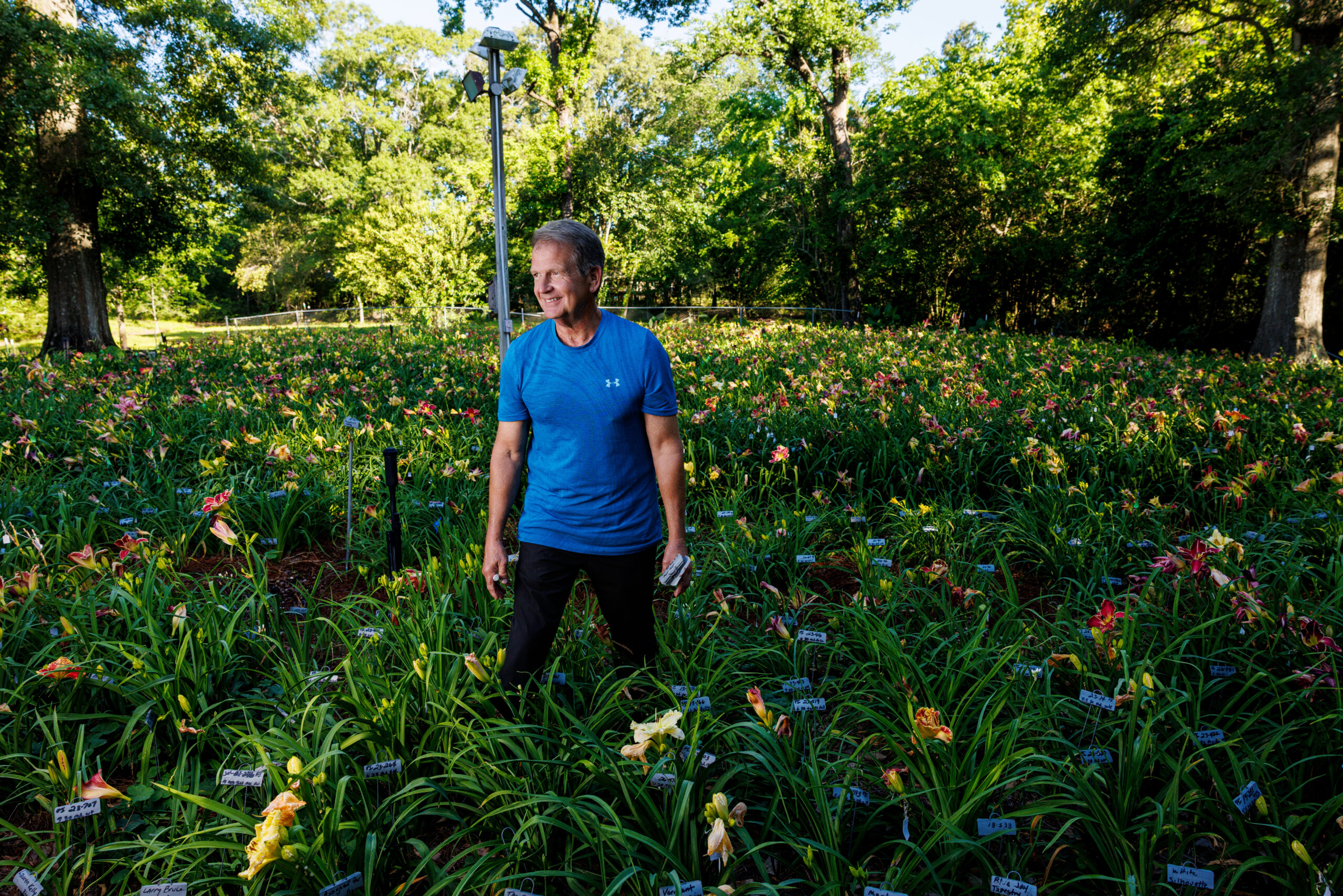
A daylily introduction is something of a formal debut. It begins with a flower bred over three to five years and refined for color, bloom, branching and overall form. There are some traits that are generally considered desirable, but it’s ultimately a hybridizer’s vision and preference that determines a flower’s worthiness for introduction. A bloom that proves its merit earns a name that must be submitted to the American Daylily Society for approval. Unique flowers deserve unique titles, but with approximately 100,000 registered daylily cultivars, finding an available one can be challenging.
The weight of meaning is what makes naming a daylily so significant, and there are stringent regulations for naming them after people. Living honorees must grant permission to share their name with a flower. For those who have passed, approval must come from their family members. Perhaps just as importantly, the flower should suit the person it celebrates.
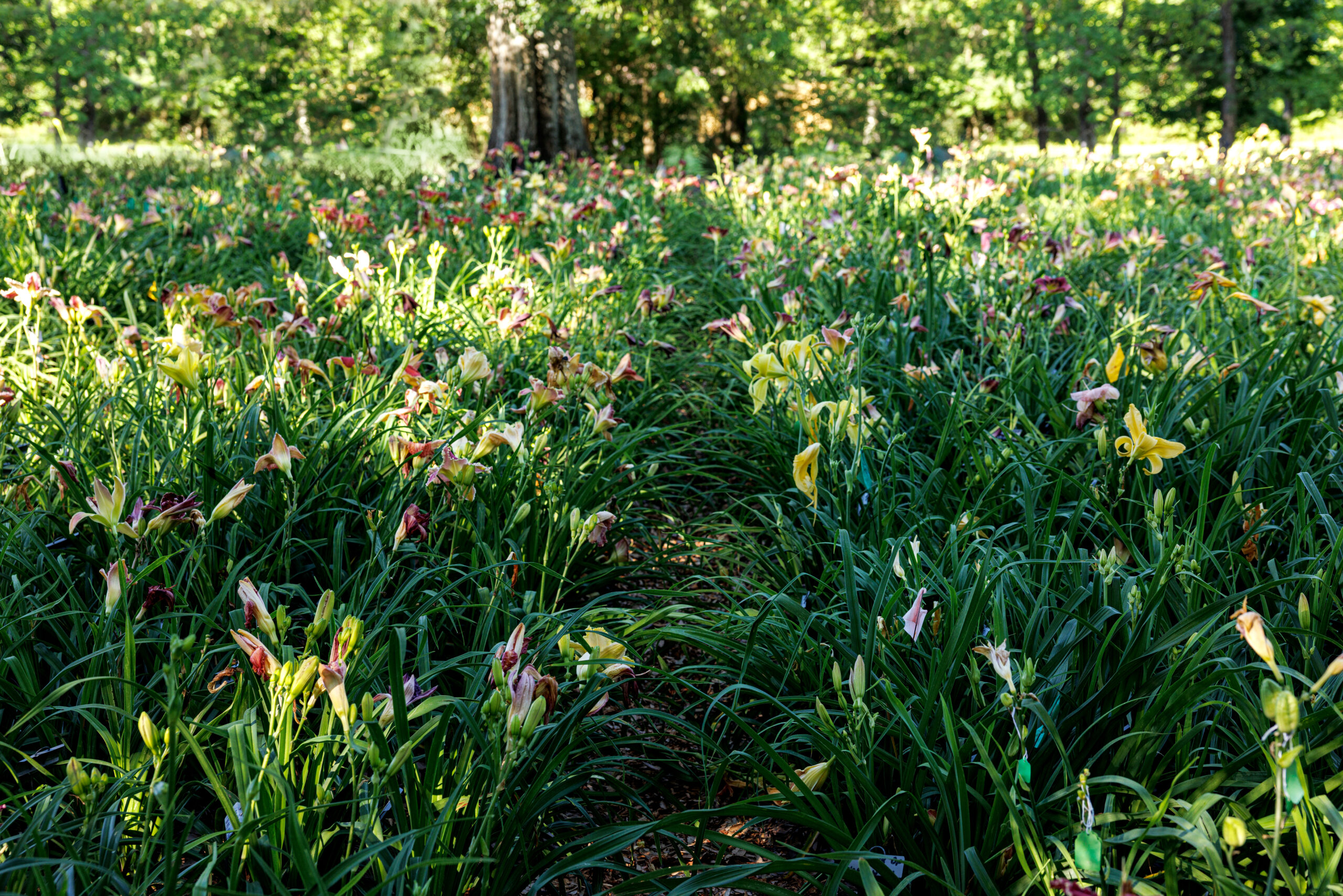
“I named a flower Mona Goudeau last year, which is my mother’s name,” he says. “She’s always loved autumn colors. I found this beautiful peachy flower—one of the prettiest I’ve ever done. I was excited to show her, but she was hoping to have a red one named after her. So I scrambled to find the right red one, and I finally got it. But there’s no greater honor than having a flower named after you. It has to be the right one for that person.”
The people in Goudeau’s life give his botanical work its meaning. There’s satisfaction in seeing the fruits of years of labor, but it’s the sharing of that work that makes it worthwhile. As president of Region 13 of the American Daylily Society, he has helped cultivate a network of horticulturists, scholars, collectors, exhibitors and friends across the country. Still, the relationships that matter most are the ones Goudeau has at home.
“I love building flowerbeds. I love mulch. I love tilling. But my passion is my family,” he says. “My granddaughter helped me hybridize when she was just seven and has helped me name two of them. I’ve kept the one she named ‘Ephesians 4:32’ for five years. At some point, if my grandkids start playing ball or get into hobbies, my focus will be on them. But I like having time for both now.”
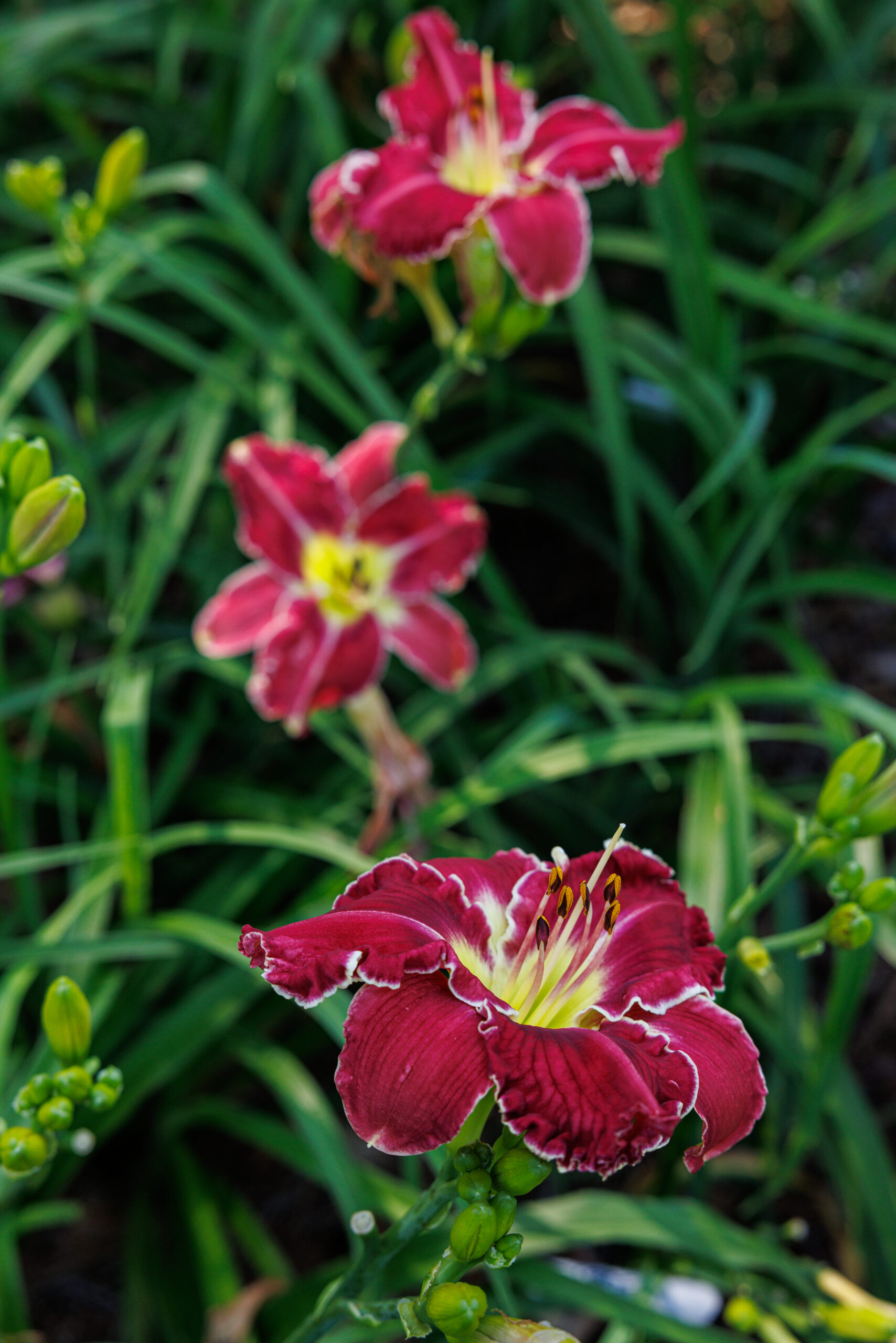
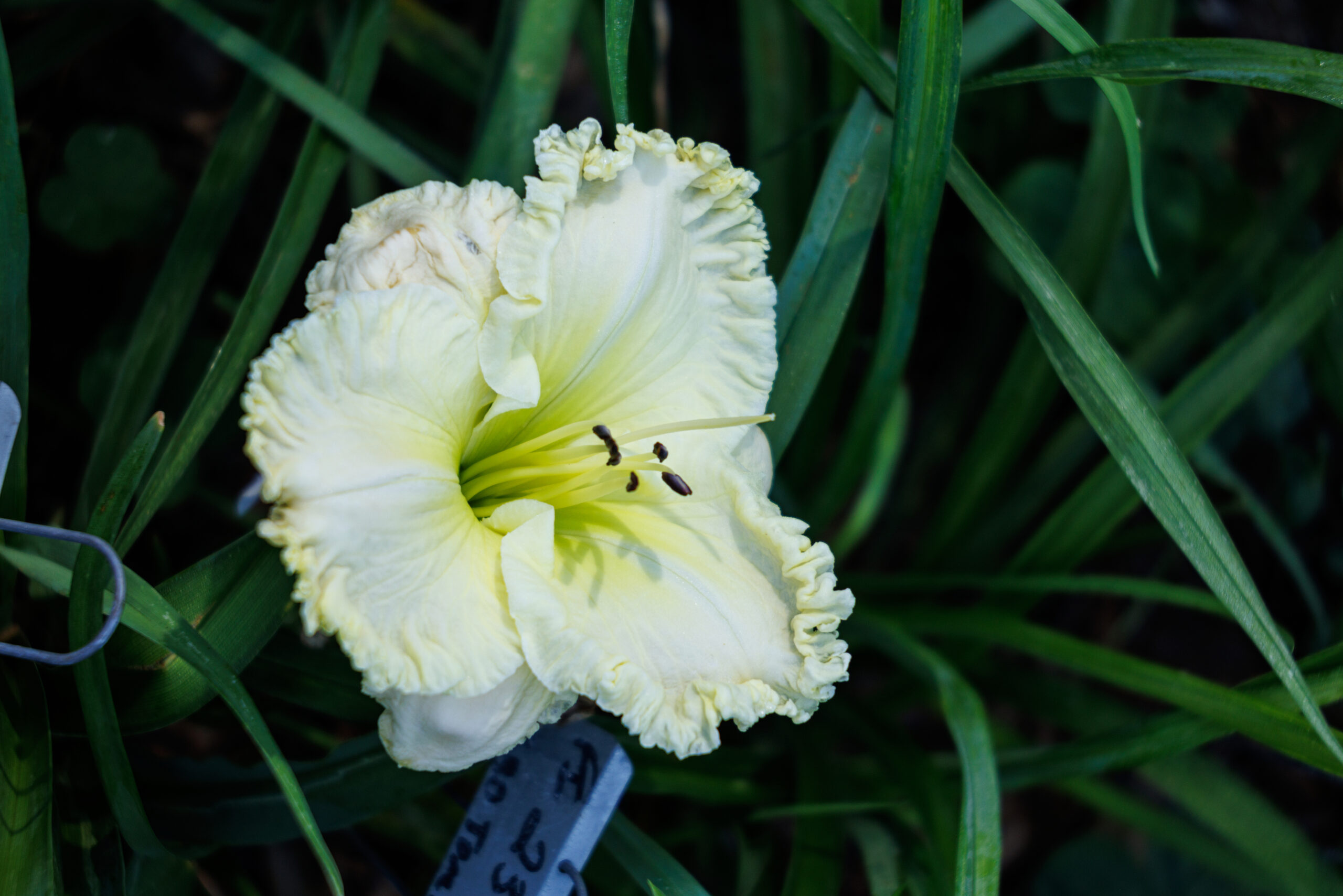
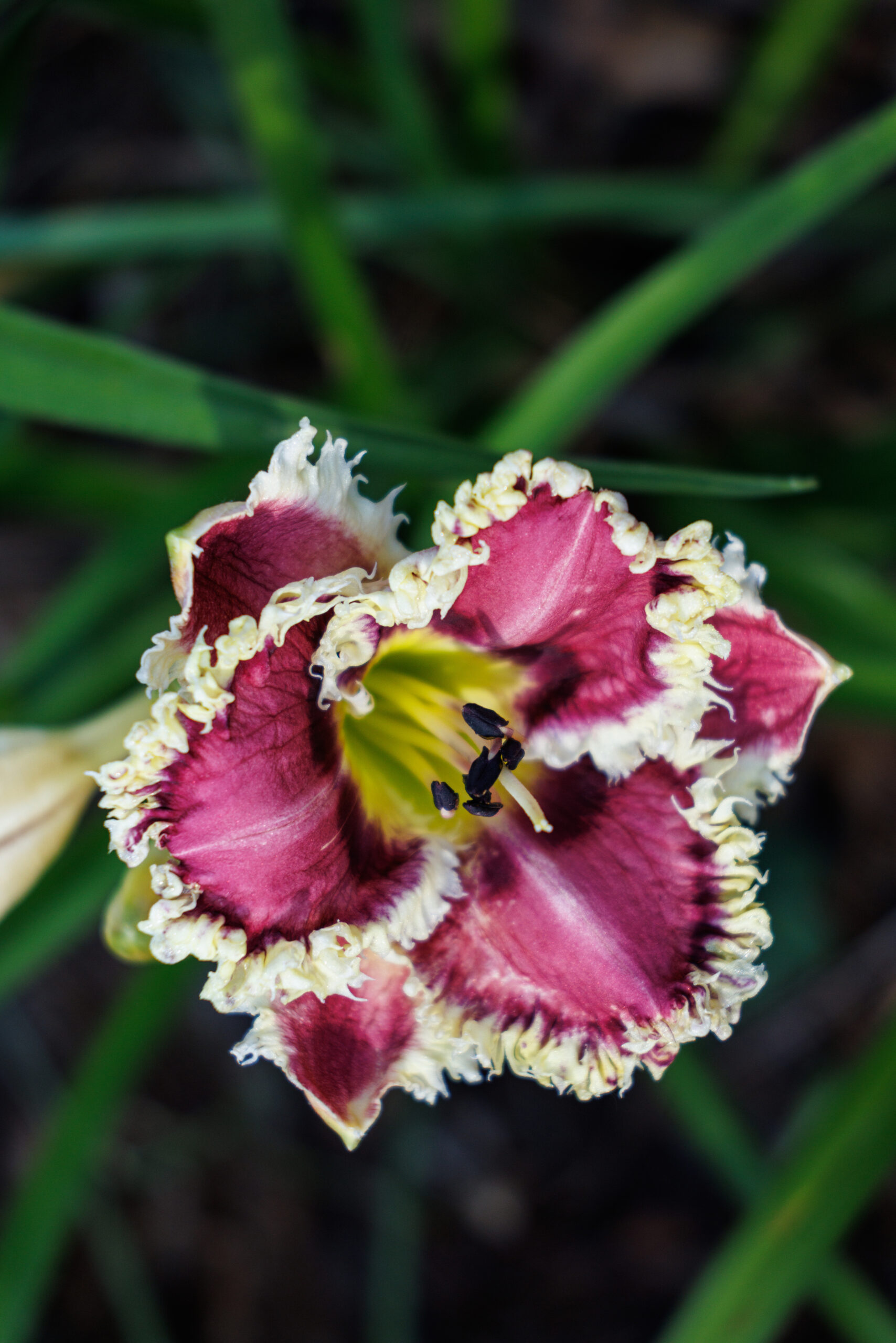
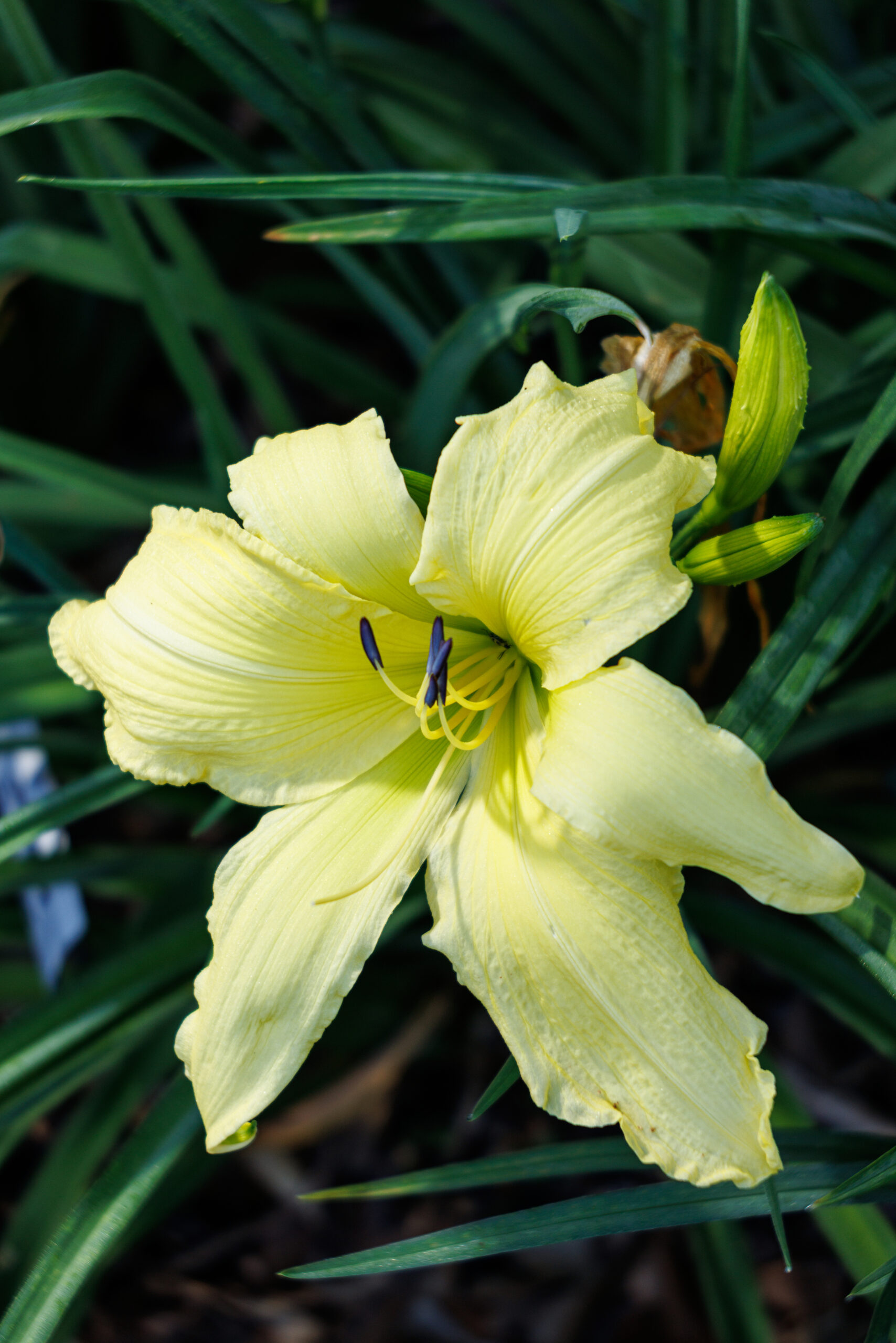
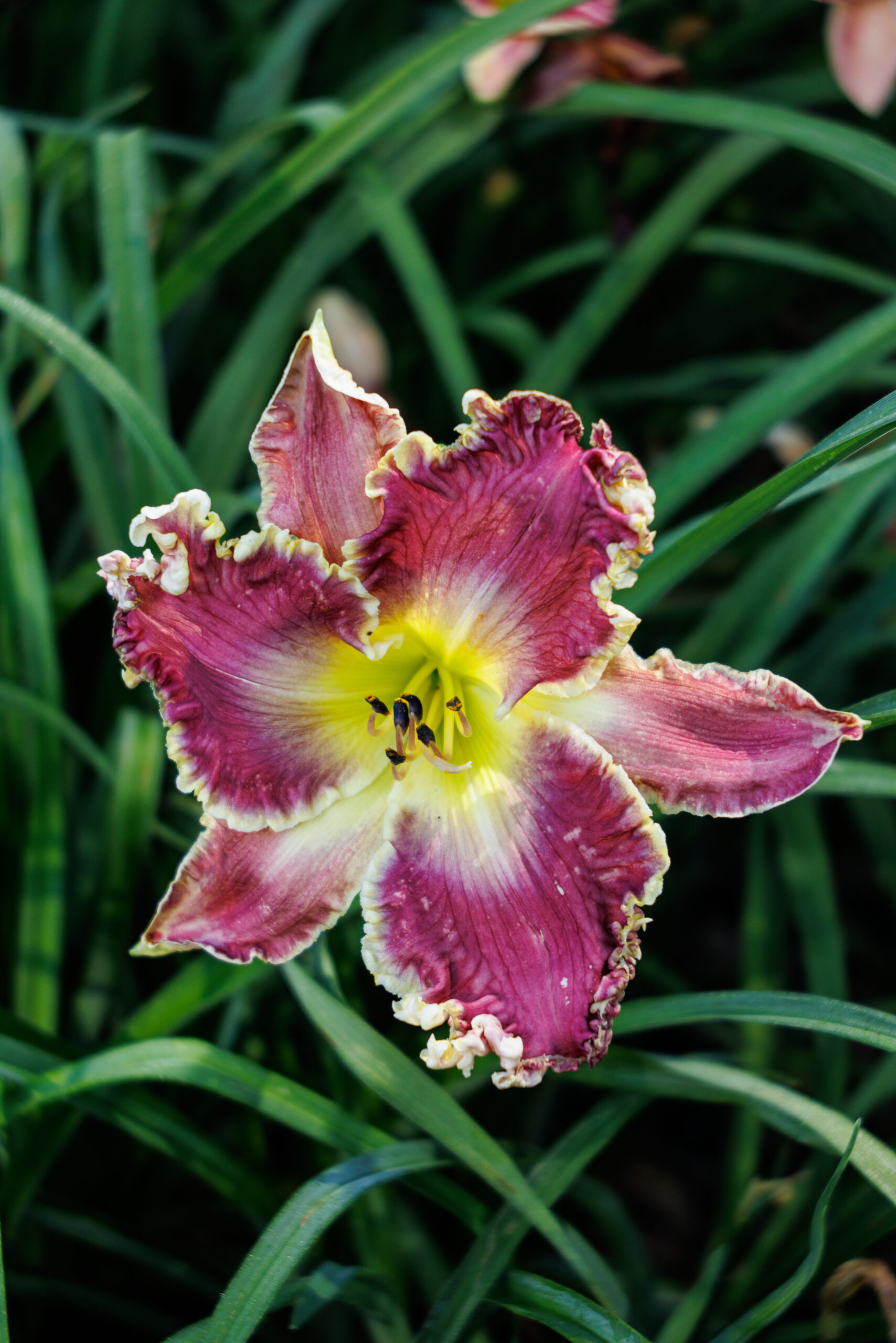
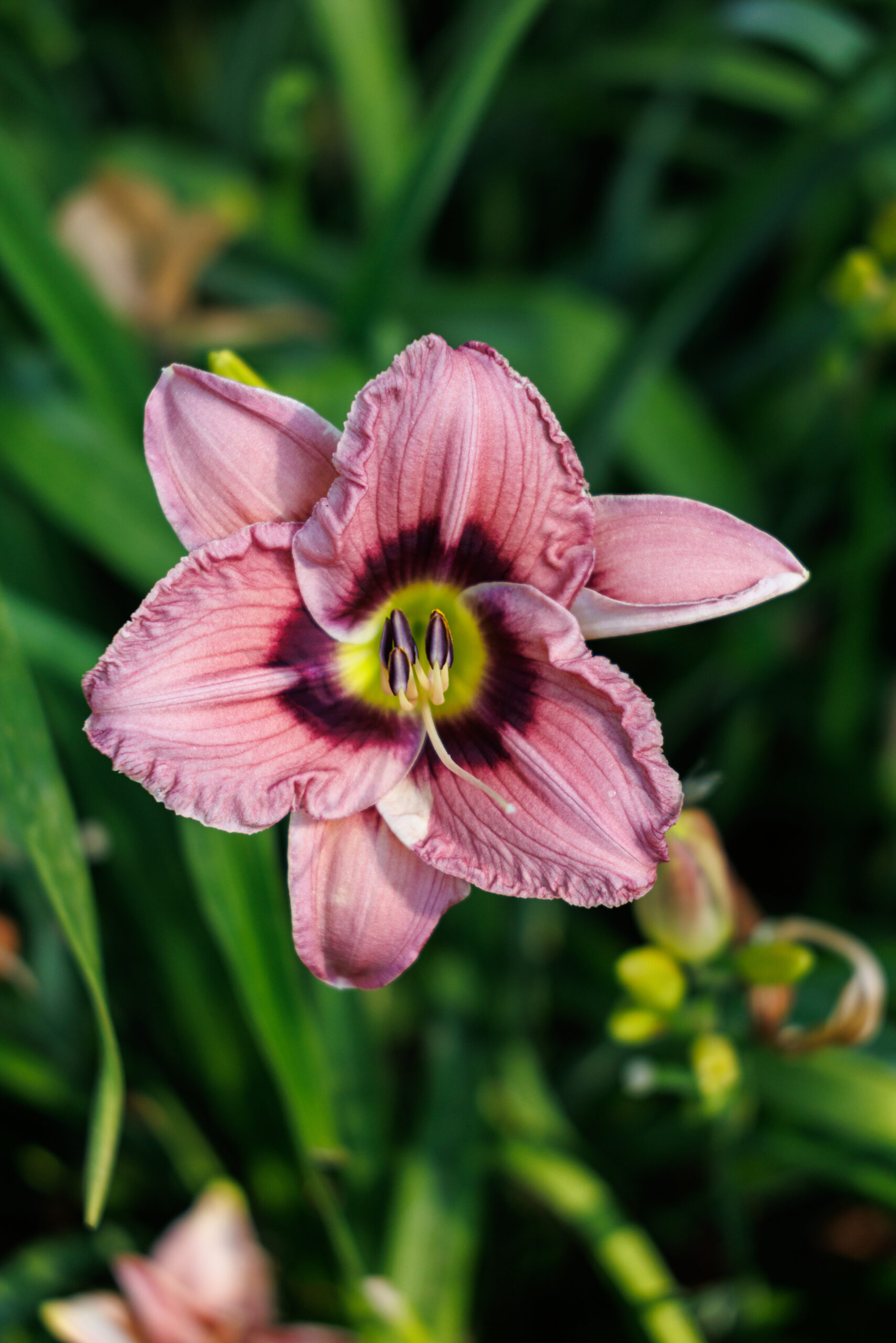
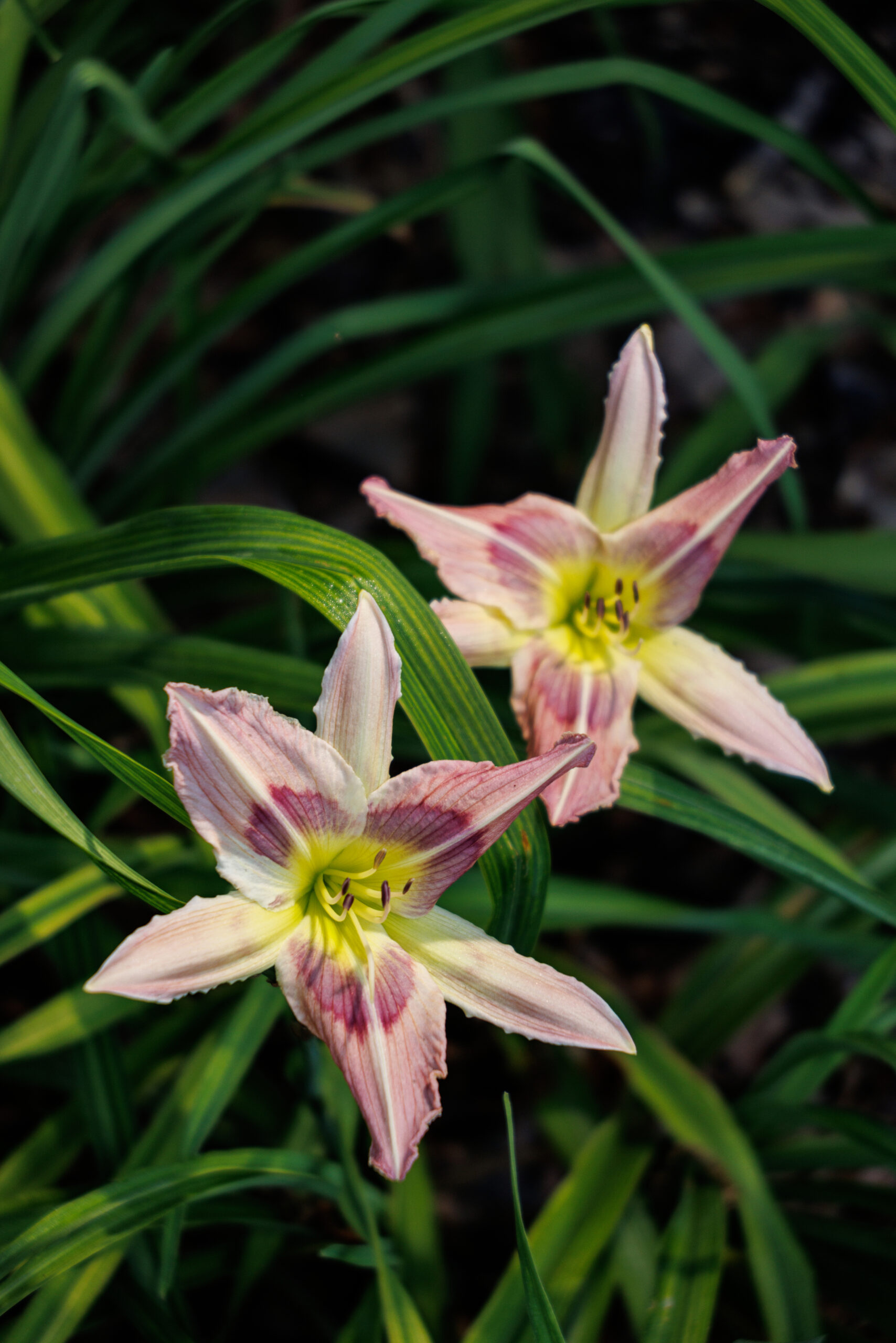
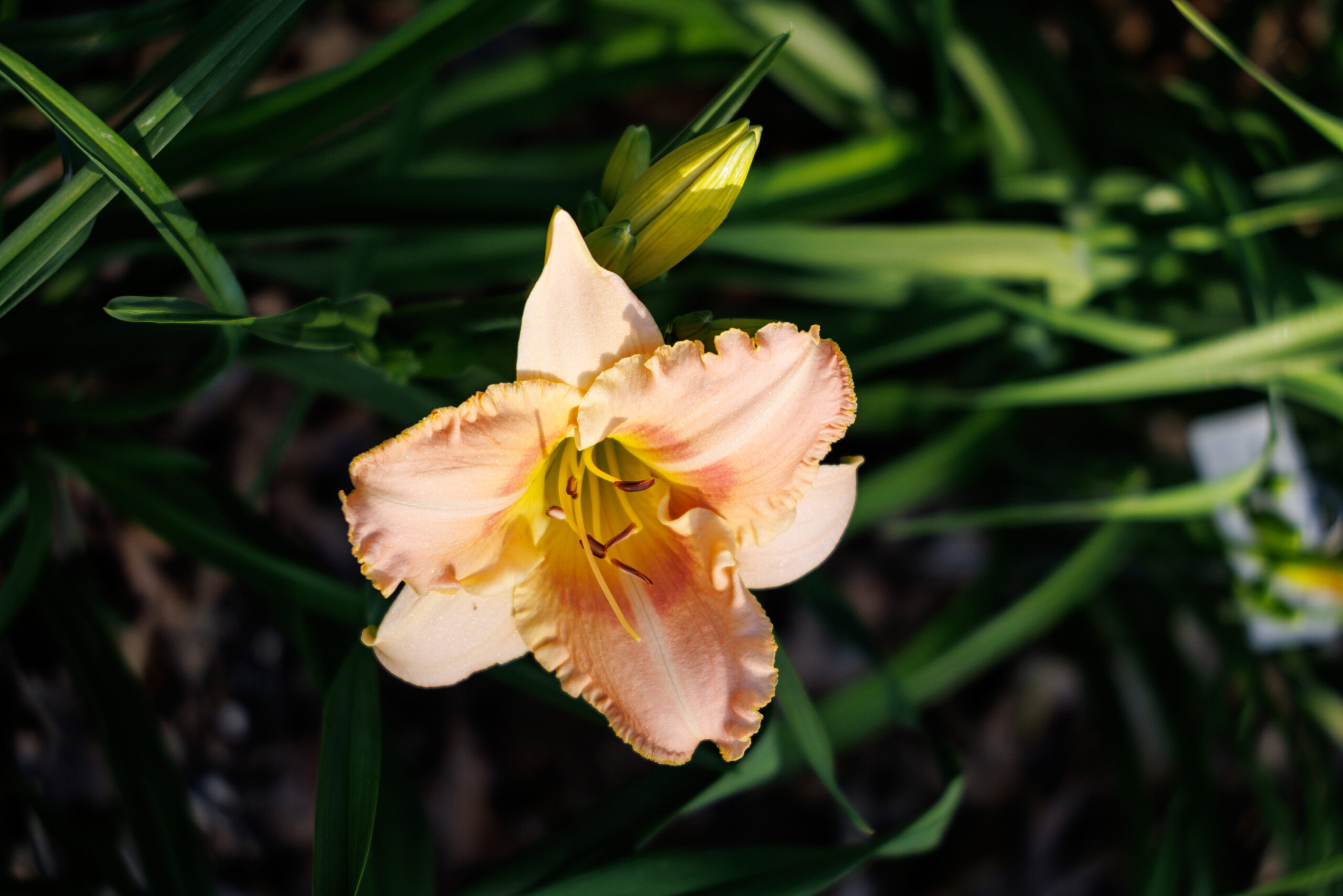
Despite his depth of knowledge and success, Goudeau didn’t come to daylilies for recognition or profit. He donates some flowers for charity auctions and other philanthropic causes, but he doesn’t sell them or offer public tours of the garden. His gardening complements his profession, counterbalancing it with a slower-paced pursuit. More precious to him than his secret garden are the friendships that have grown alongside his flowers.
“There are people I don’t see but once a year, but you can develop these great friendships over something as simple as a flower,” he says. “Some mornings, I send pictures to other hybridizers who want to know what my best flower of the day is. And that—the social aspect of daylilies—is probably better than the flowers to me.”
This article was originally published in the June 2026 issue of 225 Magazine.