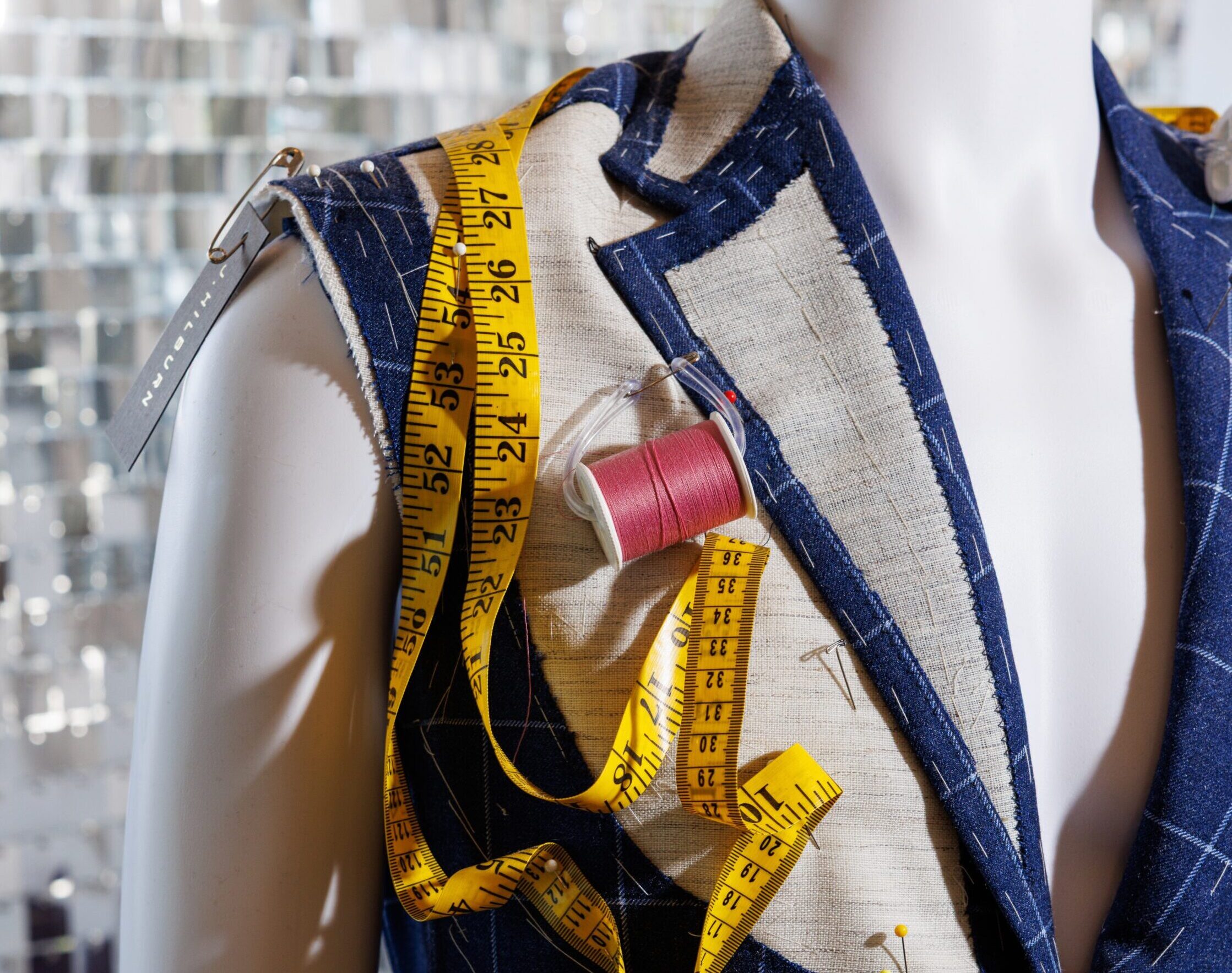
A guide to tailoring your clothes—and shopping for quality pieces—in the Capital Region
Win your wardrobe with these sustainable style tips 👗🧣
Throw in the cart. Throw on. Throw in the hamper. Repeat. And then … throw in the donate pile. It’s the basic life cycle of our clothing, especially in the age of microtrends and fast fashion.
But does it have to be this way? Local clothing experts shout no. Instead of swiping cards for cheaper, in-fashion pieces, they agree it should be more about investing in a wardrobe, whether that’s by spending a little more for a well-made garment, having clothes that don’t fit tailored to your body, or taking the time to mend rips and treat stubborn stains.
In 2025, sustainable style is so hot. From a tailor to a fashion historian to a clothing brand owner, we got the best advice on how to edit your shopping habits and give new life to those closet classics—yes, even those ones that are lying in that crumpled pile on the floor.
Quotes have been edited for clarity and brevity.

Take it to the tailor
How can tailoring impact the way we shop and how we view our closets?
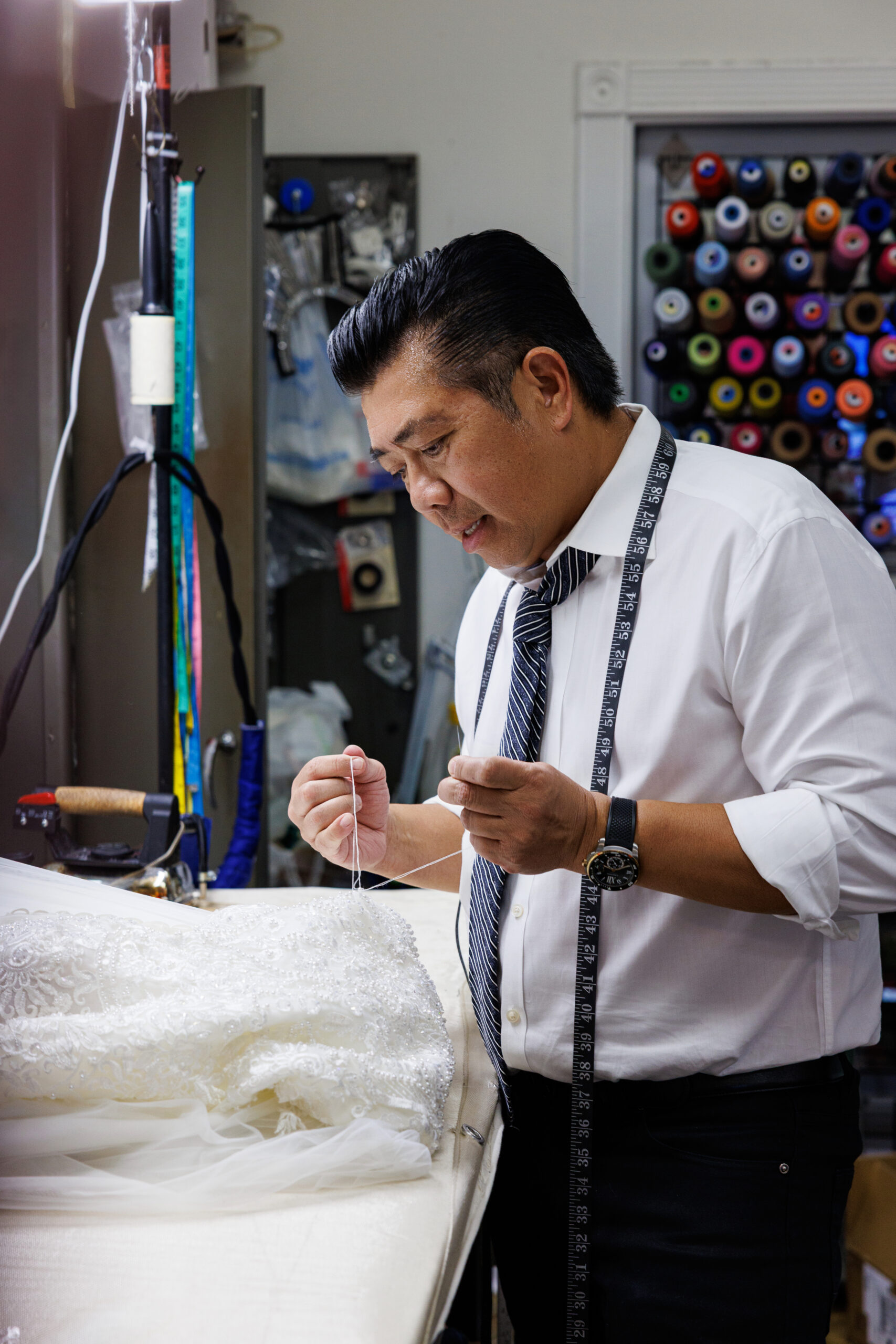
Mason Ta, Stitch Fine Clothing Alteration: “(Manufacturers) make that particular size for one body type. But let’s just say there are 100,000 different body types, and everybody wants that one look. You have to get it tailored. No one can fit something right out of the box and have it look great. I think I own one or two things that I haven’t done any alterations to.”
Besides hemming and altering, how else can you work with a tailor?
Ta: “So, there are a handful of clients who want me to get creative with certain clothes, and it’s fun sometimes. … But tapering the shirts that people buy off the rack, or the jackets they buy off the rack, is something we do all the time.”
What are the do’s and don’ts when going to the tailor?
Ta: “Don’t bring in something that’s dirty. But there are no don’ts. Just express yourself and what you want. … I never want you to come in and be intimidated to ask about anything.”
Besides wearing, how else can we use our clothing to its fullest potential before discarding?
Michael Mamp, LSU Textile and Costume Museum: “Even though you think that shirt is ripped or torn, there may be a component of that textile that, to a quilter, would be a really useful piece of fabric. … I would encourage people to maybe take up sewing, quilting or making—or find someone who quilts, makes or sews.”
Why is it so important to know basic sewing techniques for mending older garments? What’s the easiest way to pick up this skill?
Paula LaFargue, The Maybe Collection: “You can find anything on YouTube these days. … A sewing machine is a good start. And then I like to have a serger. It’s just easier to finish all the seams with the serger. If you’re able to make that little investment, then you’re in a good place.”
Buying for life
The term sustainability is thrown around a lot in reference to fashion. What does it really mean to be shop sustainably?
Mamp: “Generationally, we have completely lost the amount of care, time, effort and skill that went into curating a wardrobe. I think people are maybe becoming more aware, in particular, of (secondhand) shopping. … We have some great options, like Time Warp. I don’t think people realize it is one of the best vintage stores in the country.”
LaFargue: “(Make) do with less. Look in your closet, borrow, or mix up (what you have) with some accessories.”
What fabrics should we seek?
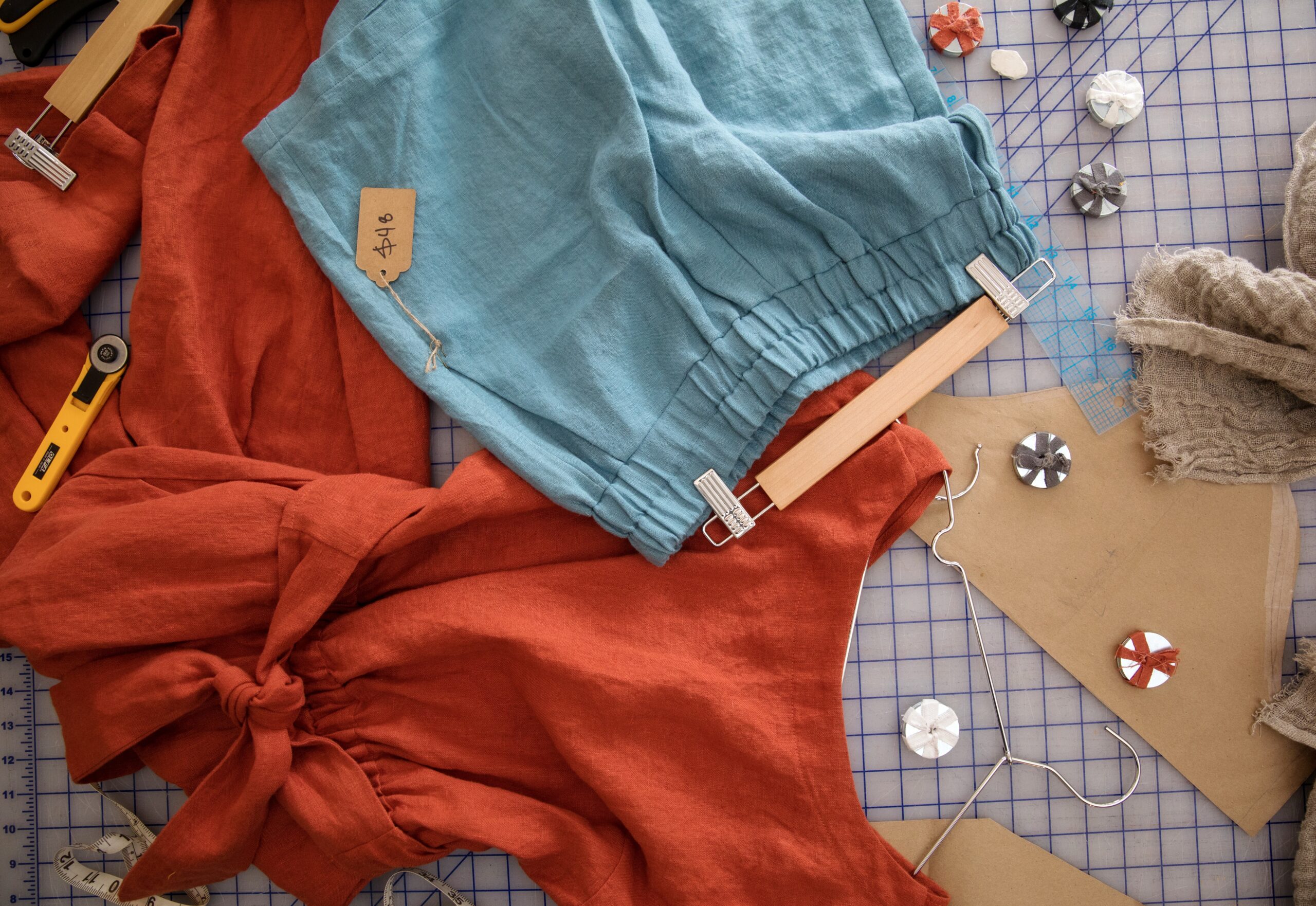
Mamp: “Silk, wool, cotton and linen are natural fibers. The majority of synthetic fibers, like acetate, polyester and things like that, are made from petroleum sludge. When you have a garment, even if it has 4% Lycra or 4% spandex in it, the presence of that synthetic fiber in that garment will prevent it from biodegrading fully. …The fashion industry is one of the worst polluters of the planet.”
What are the “costs” of fast fashion?
Mamp: “Young people have become quite savvy about the supply chain, the labor that made that garment and (whether) the (workers) earn a living fair wage. Then, there are the resources it took to get that garment from overseas to your local big-box store. Fuel and packaging leave a significant carbon footprint. (Plus,) the time and money that you spent going to the store, and the store’s use of energy, labor and resources to get that $9.99 shirt out of the box, out of the plastic and onto the shelf.”
How can shoppers resist microtrends?
LaFargue: “Avoid shop-ertainment! The endorphins you feel when you buy something pretty and new are real. Keep a quick mental list of things you can do whenever you get the urge to shop online: Read a book, call a friend, go for a walk, manicure your nails or snuggle with a pet. And if you already have it in your shopping cart, take a screenshot of it and see if you still want it in 24 hours.”
Garment care tips
• Dry clean in moderation. “The chemicals that are utilized for dry cleaning are very harmful to the environment,” Mamp says. “One of the best ways to get dirt and dust out of something like cotton or wool is to vacuum it.” Or place the garment into a zip-close bag, squeeze all the air out and put it in the freezer. It will kill mold or pests without damaging the garment any further. Also, hanging the garment out in sunlight is another way to kill mold, he says.
• Invest in quality tailors’ brushes or a suit brush. “It’s typically used with suiting as a way to brush off a garment, to remove any type of hair, particle or dust,” Mamp says.
• Save washing for a last resort. Spot clean, vacuum, brush and throw in the dryer if you have a steam cycle, Mamp says.
What’s a capsule wardrobe?
A relatively small, carefully curated collection of basics made from quality fabrics that have likely been tailored to specifically fit your body, according to Mamp. It includes pieces that can transition from different times of the day. Mamp’s recs:
• Blazer
• Well-made tops or layering shirts
• Skirts and pants of a couple different lengths
• A day handbag
• Some evening options
This article was originally published in the September 2025 issue of 225 Magazine.