10 Things We Bet You Didn’t Know About Your Skin and the Sun
Content provided by our sponsor: The Dermatology Clinic & Cosmetic Center.
With summer just around the corner, you’ll soon be hitting the baseball diamond, the fishing hole, the swimming pool or just the backyard to barbecue some tasty meals. And with all this extra outdoor activity comes increased sun exposure. You know you should protect yourself, but how careful do you have to be, really?
To find out more about sun protection and treatment, we reached out to Drs. Amie Shannon, Tom Meek and Kristen Losavio, all board certified dermatologists with The Dermatology Clinic & Cosmetic Center. They shared some facts about skin care, along with some tips for keeping your skin healthy all summer and beyond.
Tanning beds don’t protect you from a burn.
A “base tan” from a tanning bed won’t provide protection from sunburns. “Skin contains a pigment called melanin that provides color to our skin and helps protect our DNA from damaging UV rays,” Dr. Losavio says. Tanning beds use mostly UVA rays, which cause the melanin already in your skin to darken but do not cause the skin to produce additional melanin, which you’d need for additional protection from sun exposure, she says. Don’t bother with a tanning bed “base tan.” Get a spray tan instead, and wear your sunscreen.
A hat alone won’t cut it.
Your hat might make you look — and feel cooler — but it’s not enough to protect your skin. “A broad brimmed hat with a rim three inches or greater only provides an SPF of 3 for the ears, nose and neck,” Dr. Meek says. A baseball cap provides SPF of 3 for the nose only, but zero protection for the ears and neck, he says, and those are hotspots for skin cancer. He recommends an SPF 30 sunscreen or greater in addition to your hat.
Sunscreen can go bad.
Sunscreens don’t last forever; most expire in three years. “The expiration dates exist because the ingredients lose their effectiveness over time,” Dr. Shannon says. “Pay attention to expiration dates and replace sunscreen any time the color or texture changes, even if it’s not expired yet.”
Sensitive skin needs sensitive sunscreen.
Most sunscreen lotions or creams can be broken down into two types: chemical or physical. Chemical sunscreens contain compounds that change the UV rays as they contact your skin. They work great, but they can sting when being applied, or even cause rashes on those with sensitive skin, Dr. Meek says. He recommends physical sunscreen to avoid this. “Physical sunscreens contain either zinc oxide or titanium dioxide and are known for being less irritating and often more effective than the more common chemical sunscreens,” he says. These sunscreens work by coating the skin and blocking the UV rays. They are often marketed as “for sensitive skin.”
Don’t take too much comfort from the clouds.
You still need to wear sunscreen on a cloudy day, Dr. Shannon says. Between 40 and 80 percent of the sun’s rays can penetrate the clouds on overcast days, she says. “The decrease in brightness often gives us a false sense of security and many neglect to wear sunscreen, leading to serious burns,” she says. “Don’t skimp on the SPF even on cloudy or overcast days.”
Umbrellas don’t protect much either.
 Umbrellas themselves can provide protection levels ranging from SPF 30 to 100, but are often on the lower end of that figure, Dr. Losavio says. “On a sunny day at the beach, the sun’s rays also reflect off of the sand and sea. That means up to 84 percent of the sun’s rays still reach your skin while under the umbrella, she says. It’s important to apply SPF 30 or higher sunscreen even if you’re mostly hanging out under the umbrella.
You have more damage on your left side.
Blame all that time you spend in the car, Dr. Losavio says. “Window glass filters UVB rays, but not UVA. UVA rays are responsible for the DNA damage that causes skin cancer, and also sagging skin, wrinkles and dark spots, she says. She recommends “window film,” which filters almost 100 percent of UVA and UVB rays without affecting visibility and is legal in all 50 states. She also recommends wearing sunscreen while driving and keeping the sunroof closed during the day.
You’re skimping on your sunscreen.
You should be applying a sunscreen with at least SPF 30 every time you’re in the sun, Dr. Shannon says. “It takes an amount of lotion the size of a golf ball or a shot glass to cover the average sized adult body and the size of a nickel to cover the average adult’s face and neck,” she says. Also, no sunscreens currently on the market have been shown to be effective for more than 2 hours, so reapply at least that frequently, she says. Apply even more often if you’ve been swimming or sweating.
No tan is a good tan.
 You don’t just want to avoid a sunburn; you also need to avoid a tan, Dr. Meek says. “For tanning to develop, DNA damage must occur, which leads to an increase in the pigment melanin. This is the body’s effort to protect itself from future sun exposure, and this same DNA damage is what adds up over time to cause skin cancer,” he says. Additionally, he notes, indoor tanning before the age of 35 increases your risk of melanoma by 75 percent. If you want a golden glow this spring or summer, avoid tanning beds and sunlight. Spray tans or self-tanning lotions, such as St. Tropez Tanning Essentials, are much safer, he says.
1 in 5 Americans will develop skin cancer.
There are more cases of skin cancer each year than breast, prostate, colon and lung cancers combined.
In additions to following these tips, it’s important to get routine skin cancer screenings every year, from a board certified dermatologist, Dr. Losavio says. “All forms of skin cancer are curable if detected early.”
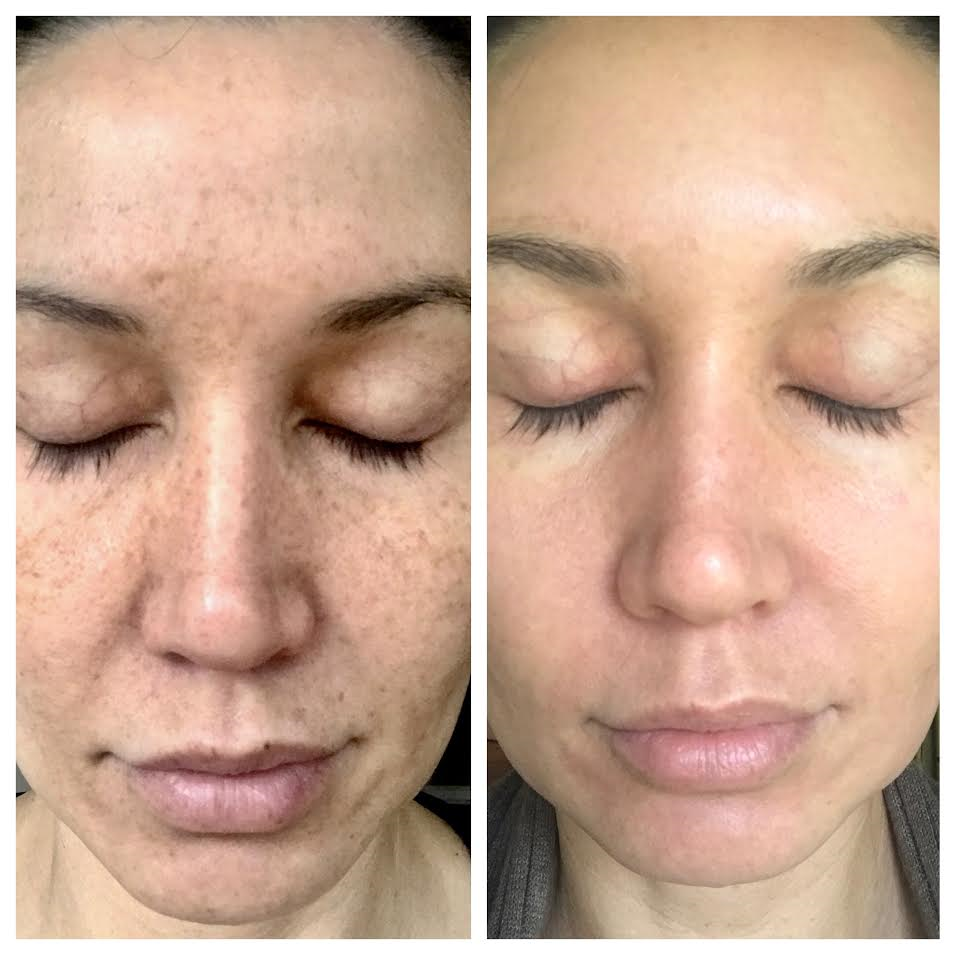
While it’s best to protect yourself from the sun’s rays, there are options for restoring the health and appearance of already sun-damaged skin. The BBL BroadBand Light can treat brown spots and broken blood vessels with little downtime, while a microlaser peel improves skin texture, fine lines, wrinkles, and dark spots. Chemical peels such as Vi Peel or Meluma Peel help to reverse sun damage and dark spots.
Schedule your skin cancer screening today with the board certified dermatologists at The Dermatology Clinic & Cosmetic Center. They offer a wide range of treatments to help you protect your skin’s health and appearance.