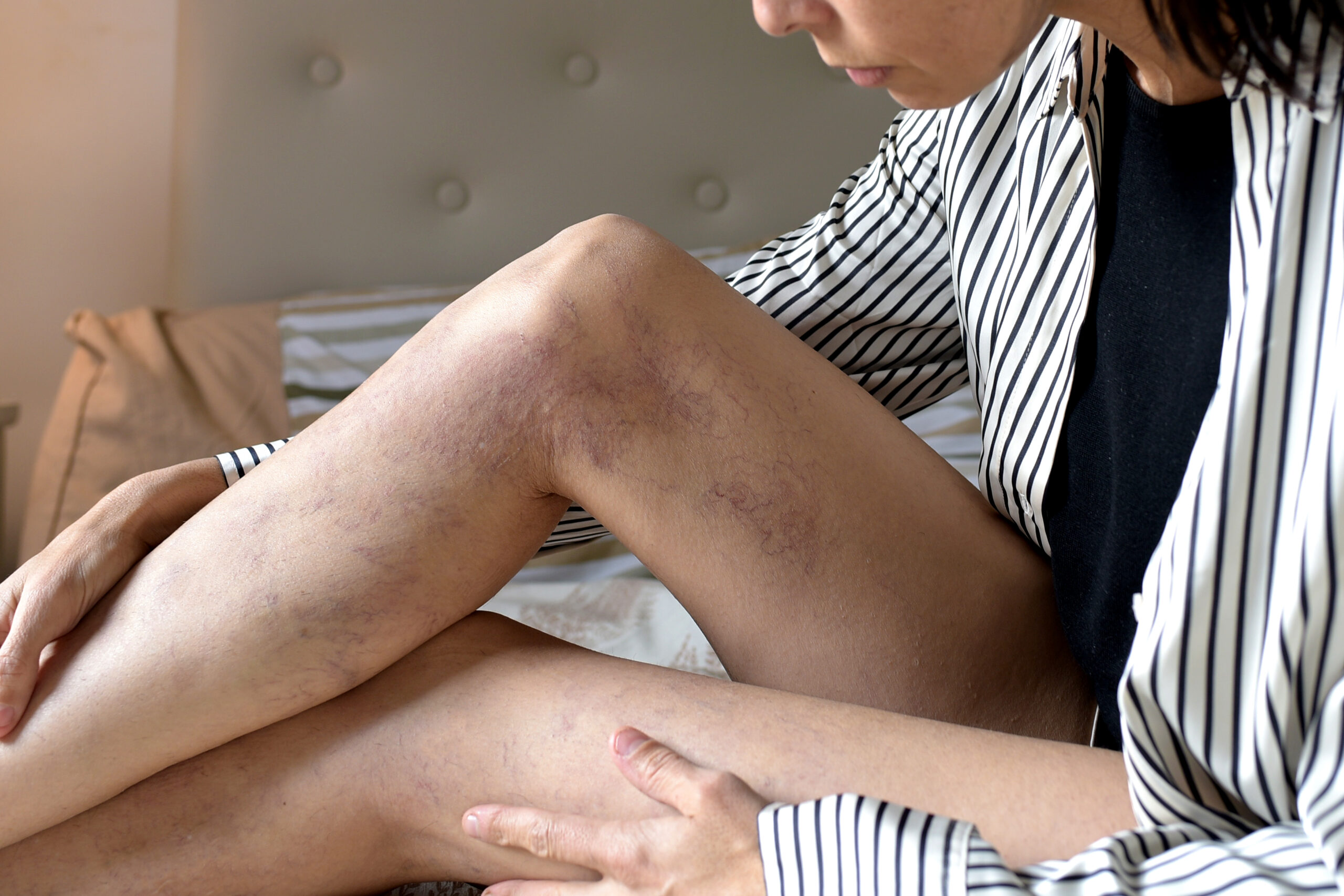
What are your legs trying to tell you? Understanding vein disease
Sponsored by Cardiovascular Institute of the South
Venous disease, or venous insufficiency, occurs when the veins in the legs don’t return blood properly to the heart. Instead, blood flows backward and pools in the legs. Over time, this can cause serious complications if left untreated. About 15 percent of people live with venous disease, often without realizing it.
Who is at risk?
Women are up to three times more likely than men to develop venous disease. Hormonal changes can weaken vein walls and valves, and pregnancy increases blood volume, adding further strain on your vein walls and valves. Multiple births raise risk even more.
Lifestyle and job factors matter too:
- STANDING JOBS – Teachers, cooks, baristas, cleaners, factory workers and retail staff spend long hours on their feet, which increases vein pressure and leakage. Taking regular breaks and wearing compression stockings can help reduce the risk of vein disease.
- SITTING JOBS – Desk jobs limit circulation. Standing up and walking around at least once per hour or moving your legs regularly at your desk can help keep blood flowing.
Other risk factors include:
- Age 50+
- Obesity or high blood pressure
- Family history of venous disease
- Smoking
- Blood clots in the legs
- Lack of exercise
What are the symptoms?
Vein disease often goes unnoticed at first. Symptoms may be subtle, brushed off or ignored – until they become too obvious to overlook. Watch for:
- Swelling, heaviness or tightness in the legs (especially by day’s end)
- Aching, burning, cramping or throbbing leg pain (worse after sitting or standing too long)
- Visible varicose or spider veins
- Skin discoloration
- Dry, flaky or weeping eczema
- Itchy skin
- Rope-like, protruding veins
- Restless legs
- Leg ulcers
Treatment of venous disease
“Recognizing vein disease as a medical condition – not just a cosmetic concern – allows us to address both quality of life and long-term vascular health,” says Dr. Amit Patel, interventional cardiologist and vascular specialist at Cardiovascular Institute of the South (CIS).
The good news is that vein disease is treatable, whether through lifestyle changes or medical treatments. Lifestyle changes – such as staying active, moving often or wearing compression stockings – can help reduce symptoms and swelling and, in some cases, treat vein disease. However, to address the root cause, medical treatment may be necessary.
At CIS, specialists offer the latest minimally invasive vein procedures, performed in a convenient clinic setting. Left untreated, vein disease can worsen, leading to tissue damage, blood clots, infections or painful ulcers. Early diagnosis and treatment protects your health, improves appearance and can even save your limbs.
Don’t ignore the signs
Vein disease is silent – until it isn’t. A simple ultrasound can detect it early. With three locations across the Capital region, the CIS team provides advanced cardiovascular care close to home. Visit cardio.com to learn more about how CIS can support your cardiovascular health.