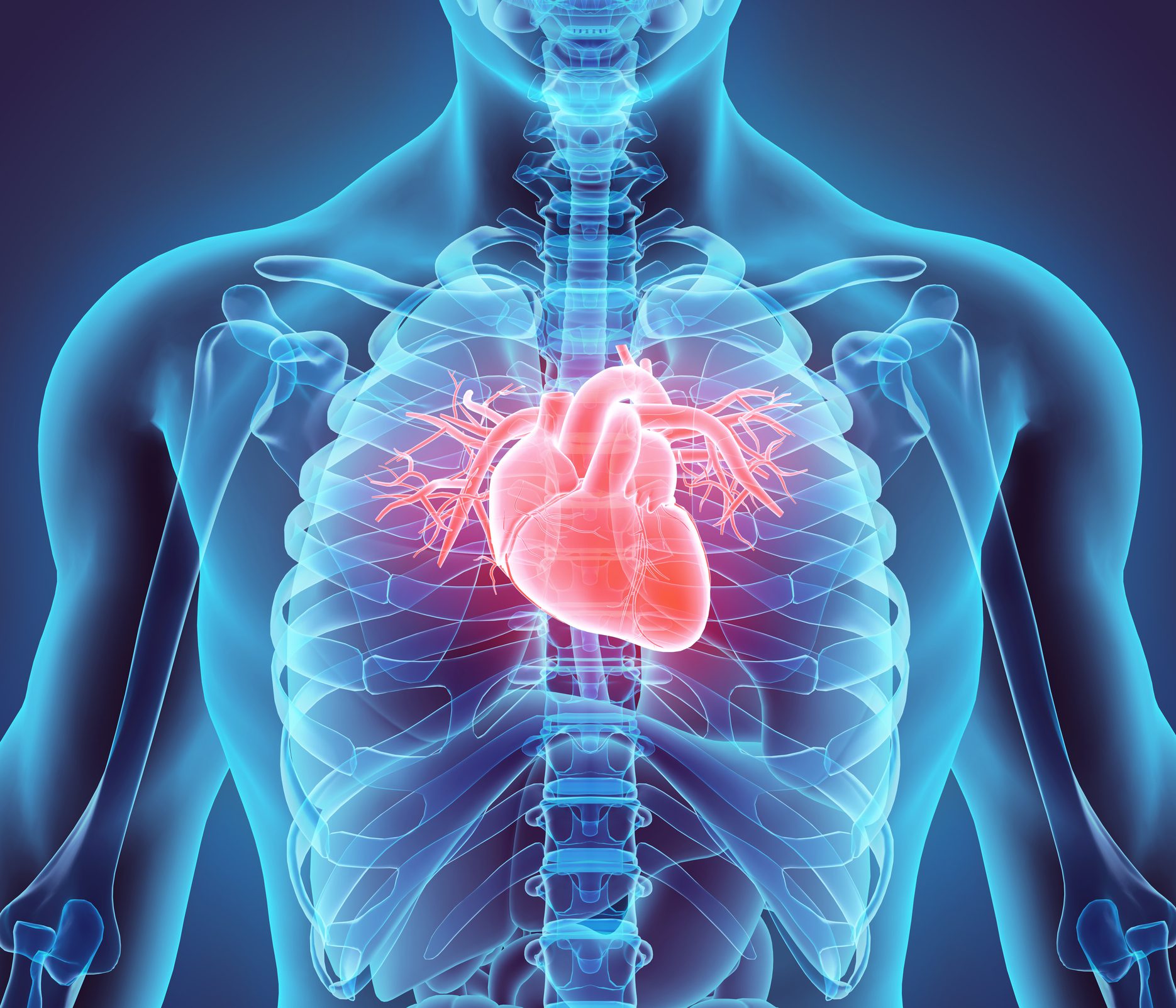
Every time your heart beats, its valves, chambers, and walls work together to keep blood moving efficiently throughout your body. When one of these structures is damaged or doesn’t function as it should, it can affect the heart’s ability to function properly and lead to structural heart disease.
At Cardiovascular Institute of the South (CIS), our Structural Heart Program brings together interventional cardiologists with advanced training in structural heart procedures and cardiovascular surgeons who work together to provide comprehensive care for patients with heart valve disease and structural heart defects, and determine the best course of treatment for each patient.
Structural heart disease occurs when parts of the heart other than the coronary arteries are diseased. This encompasses the heart valves, walls, chambers, or muscles. One can either be born with these defects or they can develop as you age. Heart valve disease is the most common kind of structural heart disease and occurs when one or more of the heart’s valves do not work properly.
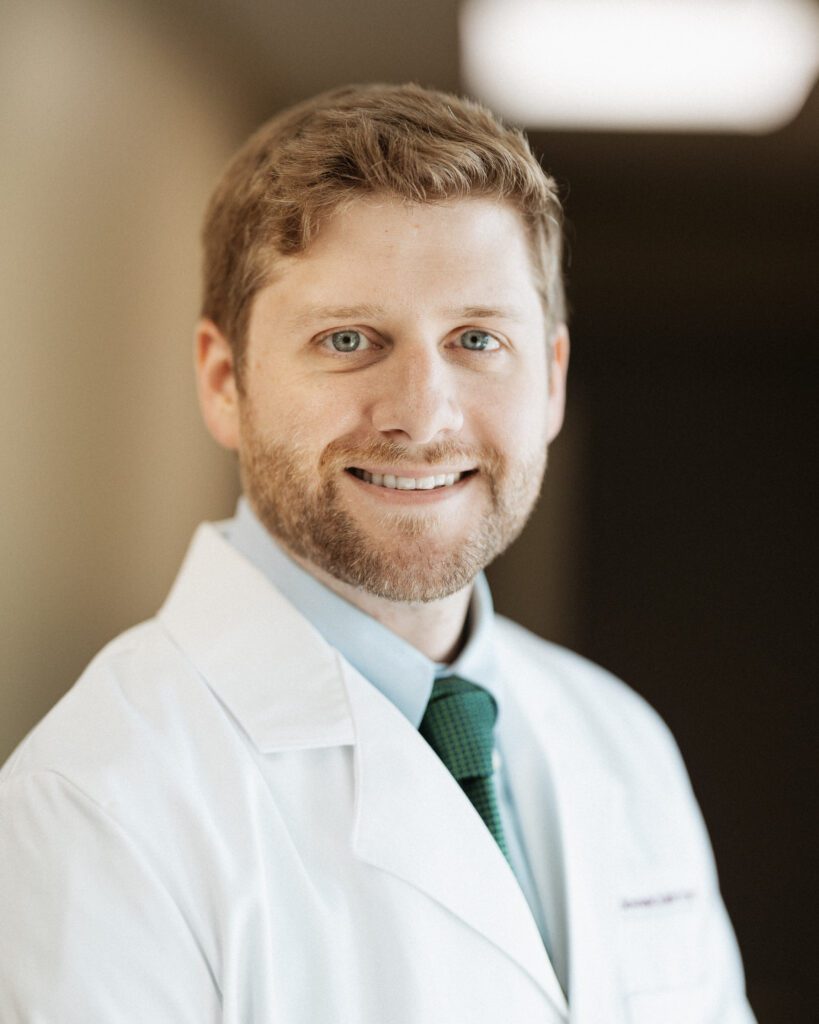
Dr. Phillip Smith, interventional cardiologist at CIS in Baton Rouge and Zachary, specializes in treating structural heart and valve disease, including repairing valves, closing holes in the heart, and treating other structural problems within the heart.
“Valve disease builds quietly. By the time patients notice shortness of breath, fatigue, or swelling, the heart has already been compensating for years.”
Phillip Smith, MD, Interventional Cardiologist
Common symptoms
The most common symptoms and warning signs of structural heart and valve disease include fatigue, shortness of breath, chest pain, lightheadedness, and a racing or irregular heartbeat. In some cases, there may be no symptoms at all. Structural heart and valve disease can be diagnosed through an evaluation of medical history, ultrasound imaging, listening for abnormal heart sounds with a stethoscope, or a stress test. Over time, symptoms can worsen and, if left untreated, structural heart and valve disease can lead to serious complications such as heart failure, blood clots, or stroke.
Early intervention
“Valve disease builds quietly … by the time patients notice shortness of breath, fatigue, or swelling, the heart has already been compensating for years,” said Dr. Smith. “The good news is that treatment has been transformed. At CIS, our structural heart program offers the full range of catheter-based therapies for aortic, mitral, and tricuspid valve disease, often with patients home the next day. But these therapies work best when we catch the disease early. Don’t write off symptoms as age or weight or being out of shape. Get evaluated.”
Paying attention early—knowing your risk factors, staying aware of your body, prioritizing routine screenings and care, and trusting when something feels off—can make a life-saving difference. Don’t ignore the signs. To learn more about structural heart and valve disease or to schedule an appointment, visit cardio.com.