Rooted in restoration: BREC’s work to revive local habitats
Sponsored by BREC
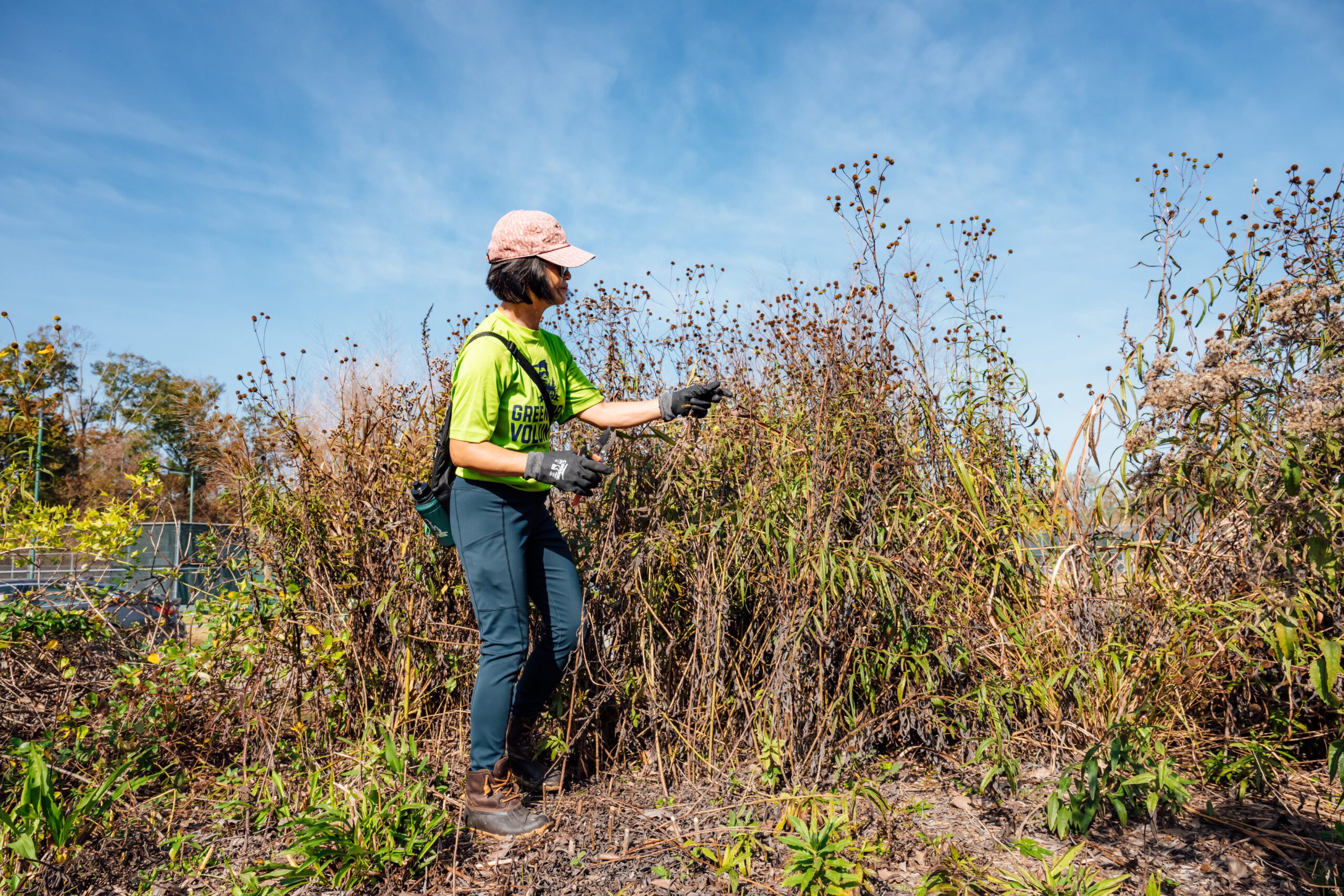
BREC’s conservation work is rooted in hands-on restoration and community involvement. According to Sharon King, assistant director of Natural Resource Management, the goal is simple: bring people and nature together. From trail maintenance to pollinator gardens to large-scale tree plantings, BREC’s Natural Resource Management team and its Green Force volunteers are restoring habitats while giving residents meaningful ways to get involved.
Restoration after the drought
The severe 2023 drought caused widespread tree mortality across BREC’s conservation areas. Many dead trees along trails posed safety hazards, requiring significant removal efforts. “In 2024, we closed Kendalwood Conservation Area while crews removed over 100 dead trees,” King explains. Those removals created new opportunities. BREC’s 2026 restoration plan focuses on rebuilding a healthy forest structure with layers of canopy, midstory and understory plants. Carefully selected native species will help support wildlife and make these ecosystems more resilient to future environmental stress.
Native plants and pollinators
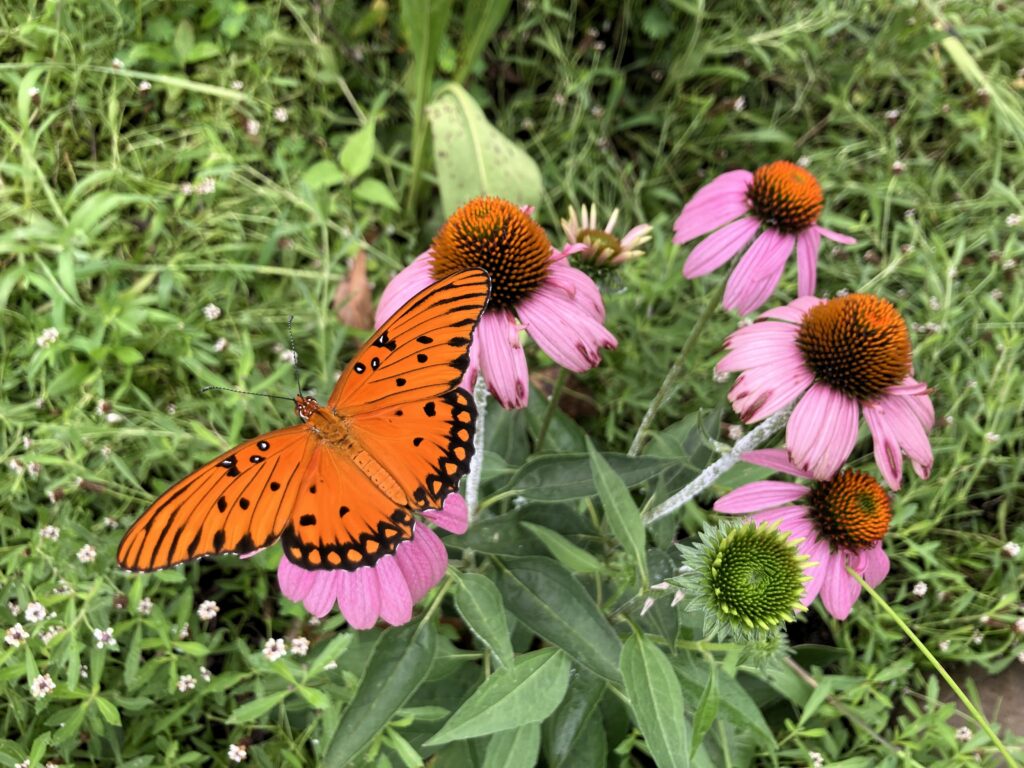
BREC’s four pollinator gardens serve as living classrooms where visitors can learn what to plant, how to prepare a site and what to expect each season. “Native plants and pollinators have evolved together,” King notes. Unlike many ornamental plants, native species provide the nectar and pollen that local insects rely on. Those insects, in turn, help support trees, fruit production and broader ecosystem health. The Howell Community Park Pollinator Garden features museum-quality signage about pollinators and native plants, helping turn the space into an educational destination.
Managing invasive species and aquatic threats
Invasive species management is an ongoing effort. Plants such as Chinese privet and Christmas berry are removed through a combination of contractor work and volunteer pull days, helping restore healthy forest understories. BREC also addresses aquatic invaders, including non-native apple snails. By removing egg masses and adult snails, staff and volunteers help reduce health risk for park visitors while protecting local ecosystems.
Exploring biodiversity
Each year, BREC hosts a 24-hour BioBlitz, inviting community members to document local biodiversity. Participants work in teams to identify plants, fungi, insects, birds, reptiles and mammals while recording their findings in real time. During last year’s event at Bayou Manchac, volunteers documented more than 600 species. This year’s BioBlitz will take place April 18 at Blackwater Conservation Area, where participants will again help build a snapshot of local biodiversity.
Volunteer-powered stewardship
The Green Force program prepares volunteers with six hours of classroom learning along with hands-on instruction in trail maintenance and garden stewardship. Volunteers log hours and earn tiered rewards. BREC also hosts public volunteer events such as pollinator garden workdays, invasive plant removals and “Privet Palooza,” where volunteers remove aggressive plants like Chinese privet that threaten native habitats.
A vision for resilience
King says BREC’s long-term goal is to restore ecological balance and support the species that depend on layered habitats, from migratory songbirds to pollinators and native plants. Through strategic tree plantings, prescribed burning and community engagement, BREC is working to ensure these landscapes thrive for generations.
Public volunteer opportunites:
Love the Boot Clean-Up! @ Bayou Manchac Park – 4/23
Ardisia (Christmas Berry) Removal @ Kendalwood Conservation Area – 4/26
Pollinator Garden Maintenance @ Howell Community Park – 4/28
To learn more and register go to brec.org/Conservation
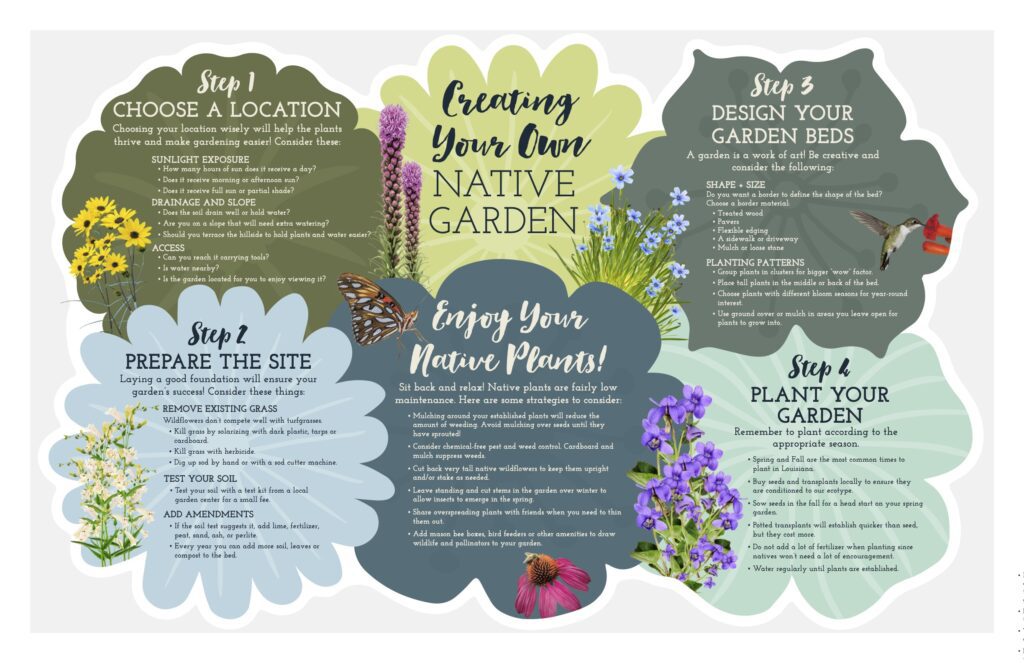
Create your own native garden
Step 1: Choose a location
Consider: Sunlight exposure, drainage and slope, access
Step 2: Prepare the site
Remove existing grass, test your soil, add amendments
Step 3: Design your garden beds
Be creative and consider: Shape and size, planting patterns
Step 4: Plant your garden
Remember to plant according to the appropriate season
Enjoy your native plants!
Native plants are fairly low maintenance.
Mulching reduces amount of weeding.
Consider chemical-free pest and weed control.
Cut back tall native wildflowers to keep them upright and/or stake as needed.
Leave standing and cut stems in the garden over winter to allow insects to emerge in the spring.
Add mason bee boxes, bird feeders or other amenities to draw wildlife and pollinators to your garden.