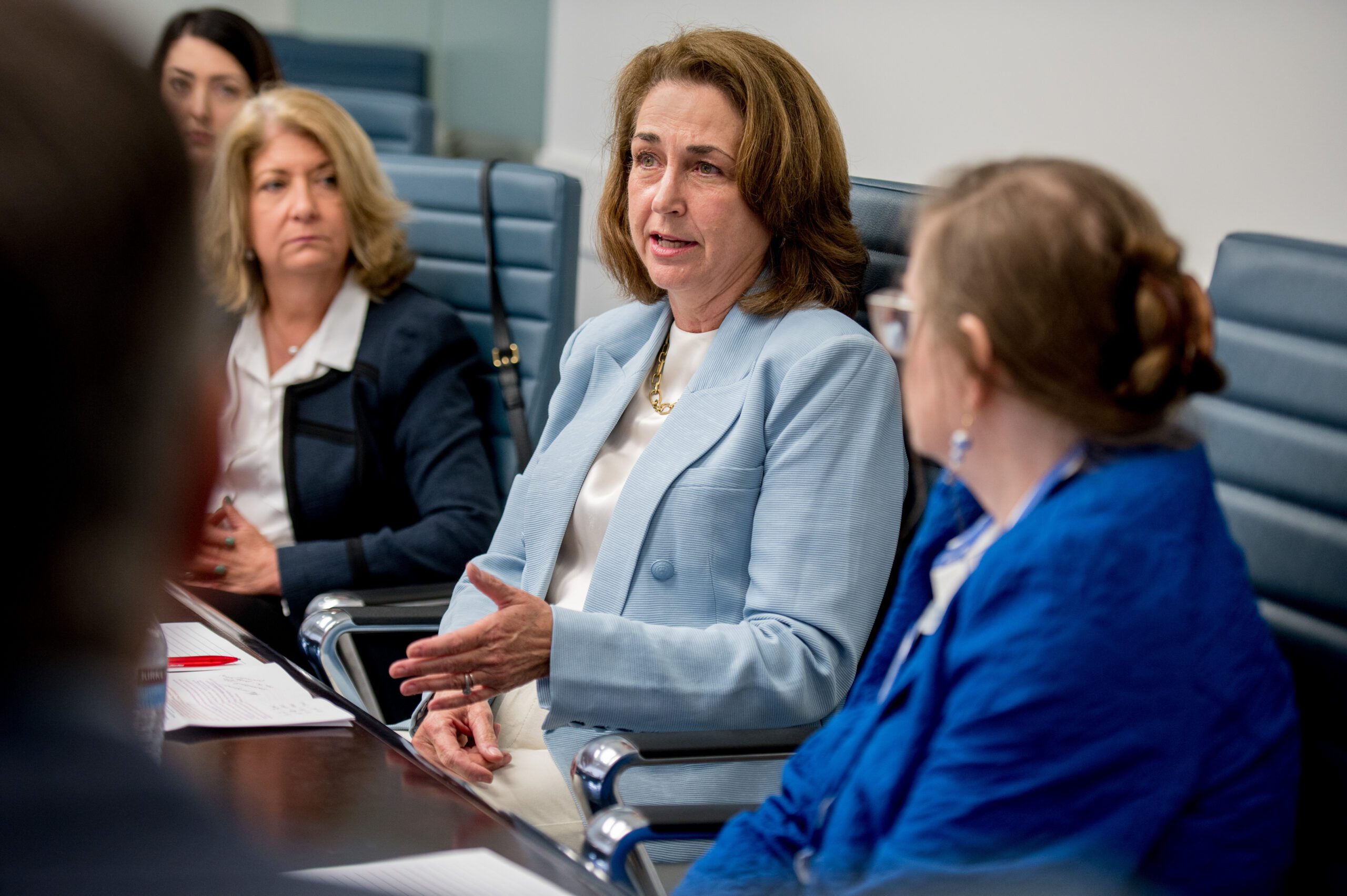
Parenting Roundtable: Shaun Kemmerly, MD
How do parents navigate that gray area between the opportunity and risk associated with children’s access to technology?
It’s here to stay. We have to learn how to manage it and empower parents. Kids ages 3 to 5 have 3½ hours of screen time a day; 6-to-10-year-olds, 6 hours; 11-to-14-year-olds, 9 hours; 15-to-18-year-olds, 7 hours—not including homework. That’s a massive amount of influence. Set boundaries. Don’t put it in the bedroom. Increased screen time affects socio-emotional challenges—anxiety, depression, executive function. We need to balance screens with outside play and family activities. It’s a problem. We need to empower parents to manage this.
What makes the Capital Region a great place to raise children – and what can Baton Rouge and the surrounding communities do to make it even more special?
Baton Rouge is a diverse, culturally rich, loving community. We have parks, libraries, the Knock Knock Museum. From a child’s lens—festivals, crawfish boils, Live After Five, music events, St. Patrick’s Parade—it feels unending. That’s important as we grow healthcare and recruit pediatric specialists. The community needs to be welcoming, and providers see the diversity here. Festivals and Louisiana culture are helpful in growing our medical community. What we need to do next is continue fostering safe places for kids and families to explore and excel.
What are some common-sense ways parents can protect their children’s emotional and physical health in our increasingly fast-paced world?
We are seeing a lot of anxiety and depression. When you’re seeing signs of distress, talk to your doctor about it. We have pediatricians and advanced practitioners ready to be your partner. We’re training pediatricians to be more knowledgeable in mental behavioral health—anxiety, depression, ADHD. We’re connecting them to social workers and psychiatrists, so families have quick access to care. We’ve created a child and adolescent fellowship to grow more providers who stay in the community. Talk to your pediatrician. You can trust that person. General pediatricians can wear a lot of hats—they are trained to help and want to be your partner.
Economic volatility is affecting every level of society in some way. How do parents help their children prepare for a future that seems so uncertain?
Teaching kids about money—saving, investing—is important. Talking to kids about money in an appropriate way matters. We should be intentional in teaching children to give to others less fortunate. Many of our children and families are vulnerable; they struggle with finances and other social drivers of health. We screen patients at FMOL Health | Our Lady of the Lake for financial insecurity, food insecurity, transportation. When families need help, we connect them to resources—food banks, emergency food boxes, clothing closets. It’s about recognizing needs and connecting families to resources to help them move forward.
How is your organization stepping up to support parents and their kids during these historically challenging times?
FMOL Health | Our Lady of the Lake’s mission calls us to be a healing and spiritual presence for each other and for the communities we are privileged to serve. We deliver healthcare through our providers, nurses, clinics, and hospitals, both in person and virtually. We meet patients where they are. We offer parenting classes—from newborn care to adolescence—and a “ParentingU” podcast covering a variety of topics. We partner with schools to provide healthcare centers with nurse practitioners and social workers, so kids don’t miss school. Partnerships amplify what we do—working with schools, nonprofits, and organizations to keep kids healthy, in school, and supported. None of us can do it alone.
To read more parenting insights from local community leaders, see The Parenting Roundtable: Raising Children in an Age of Uncertainty.