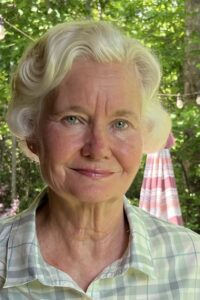
From lawyer to writer, Mary Hester sets debut novel in Baton Rouge
After 12 years of writing, this author's work is now published 📚✍️
For former Baton Rouge resident Mary Hester, writing fiction has long been a passion, squeezed into stolen moments alongside a full-time career as a Taylor Porter estate-planning attorney.
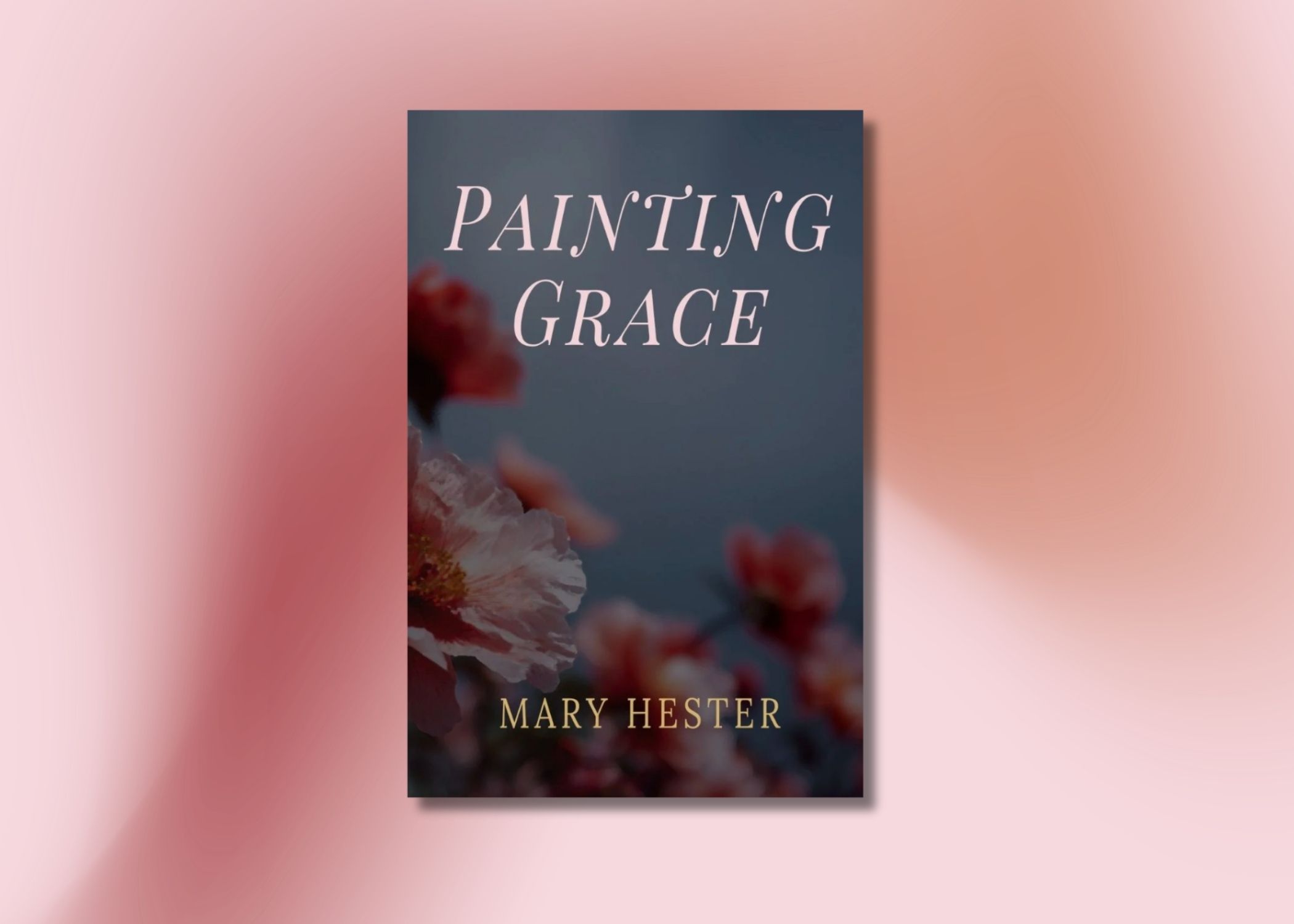
Her quiet pursuit paid off in late February with the release of her first novel Painting Grace, a literary work set in a live oak-lined neighborhood in Baton Rouge.
Painting Grace’s plot is centered around a retired art history professor who receives a terminal diagnosis and forms an unexpected bond with a young Cajun caregiver. It was published by Los Angeles-based Silent Clamor Press.
225 checked in with Mary Hester about the journey from idea to finished product, and how her virtual writing group made all the difference in getting the novel over the finish line.
Even though fiction writing has been a fairly recent pursuit, writing has always been a part of your professional life. Tell us about your journey.
Yes, I got a master’s degree in English at LSU, and I worked as a technical and scientific writing editor. I also taught in the LSU English department as an instructor before I went to law school. Law, of course, involves a lot of writing. I wrote legal articles for legal journals, and I did a lot of presentations on estate planning to people who were not lawyers. The issues were kind of complex, so I would find myself making up examples with characters and a little bit of humor. I realized I really enjoyed writing these little scenarios, which were little stories. I started being intrigued by the idea of writing fiction.
How long did it take you to write Painting Grace?
Twelve years. I was working full-time, so I would work on it a little bit at a time. Two or three times a week, I might get up extra early and write for 30 or 45 minutes before going into my office. And on weekends, I’d write for two to four hours or more.
What was it like to balance a legal career with novel writing?
I think writing fiction in my off time really enhanced my legal work because it was just so refreshing to do some writing that I didn’t have to constantly check and make sure it was technically correct. I remember suddenly realizing that it didn’t matter because it was fiction and how nice that was. I felt rejuvenated in the mornings when I would do those short sessions before going into the office.
Where did the idea for the novel come from?
When we lived in Baton Rouge on Glenmore Avenue, I would walk my dog down those beautiful streets with those big live oaks, and once I passed a house that seemed empty. The windows were dark, and it looked eerie and neglected. One morning, when I passed by, there were all these piles of folded clothes and bundles of papers being thrown out in the front yard. The papers were graded student essays, and there was a pencil drawing that was captioned with a professor’s name. It looked like it had been done by one of the professor’s students. The next day, there was a For Sale sign in front of the house, and it made me wonder about who had lived there and if they’d died alone. I started imagining what might have happened and sat down to write. I had to set it in Baton Rouge and make the main character an LSU professor.
In your author bio, you give a shoutout to your writing group and mentors. How were they helpful?
In 2017, I started going to writing conferences in Vermont, Iowa and California. From one of those conferences, five of us formed a virtual writing group. My writing group helped me so much. Writing can be lonely and discouraging and full of rejection, so having a group that will give you constructive, critical comments is wonderful.
You’re originally from Florida but spent most of your adult life in New Orleans and Baton Rouge. Now you live in North Carolina. Do you miss Louisiana?
We moved to North Carolina when my husband and I both retired from our jobs to be closer to family. We didn’t have any family in Baton Rouge. Yes, we miss it. People in Baton Rouge are so friendly. I don’t know any state that is as friendly as Louisiana. I remember when the floods happened in 2016, and our law firm brought meals to people and helped them clean out, and you know, nobody had to do that. It’s just what people did. The caregiver in Painting Grace is part of that same culture of people who see helping out as a duty.
What would you say to others who aspire to publish, but who have full-time jobs and other life demands?
I remember an instructor at a writing seminar saying that almost everyone who writes has a full-time job other than writing. It does involve sacrifice because you’re using your leisure time, but it’s not unusual, and it can be very rewarding.
Any new novels in the works?
I’m working on a second one. It’s very different. This time, it’s literary crime fiction.