This Pennington nutrition scientist provides fruit for thought
One key to improving heart health is on the produce aisle 🥭🥑
Fruit can take many forms in a diet. They show up in smoothies, juices, salads, snack boards, guacamole and dessert pastries.
But these sweet produce items are more than mere ingredients—fruit has been proven to improve health outcomes for those who eat it.
As an assistant professor of clinical science at Pennington Biomedical Research Center, Dr. John Apolzan has researched how nutrition and physical activity affect health outcomes for more than 13 years.
In February of 2026, the scientist published an editorial in the Journal of the American Heart Association. The article is a commentary on a clinical trial that investigated the link between fruit intake and vascular health.
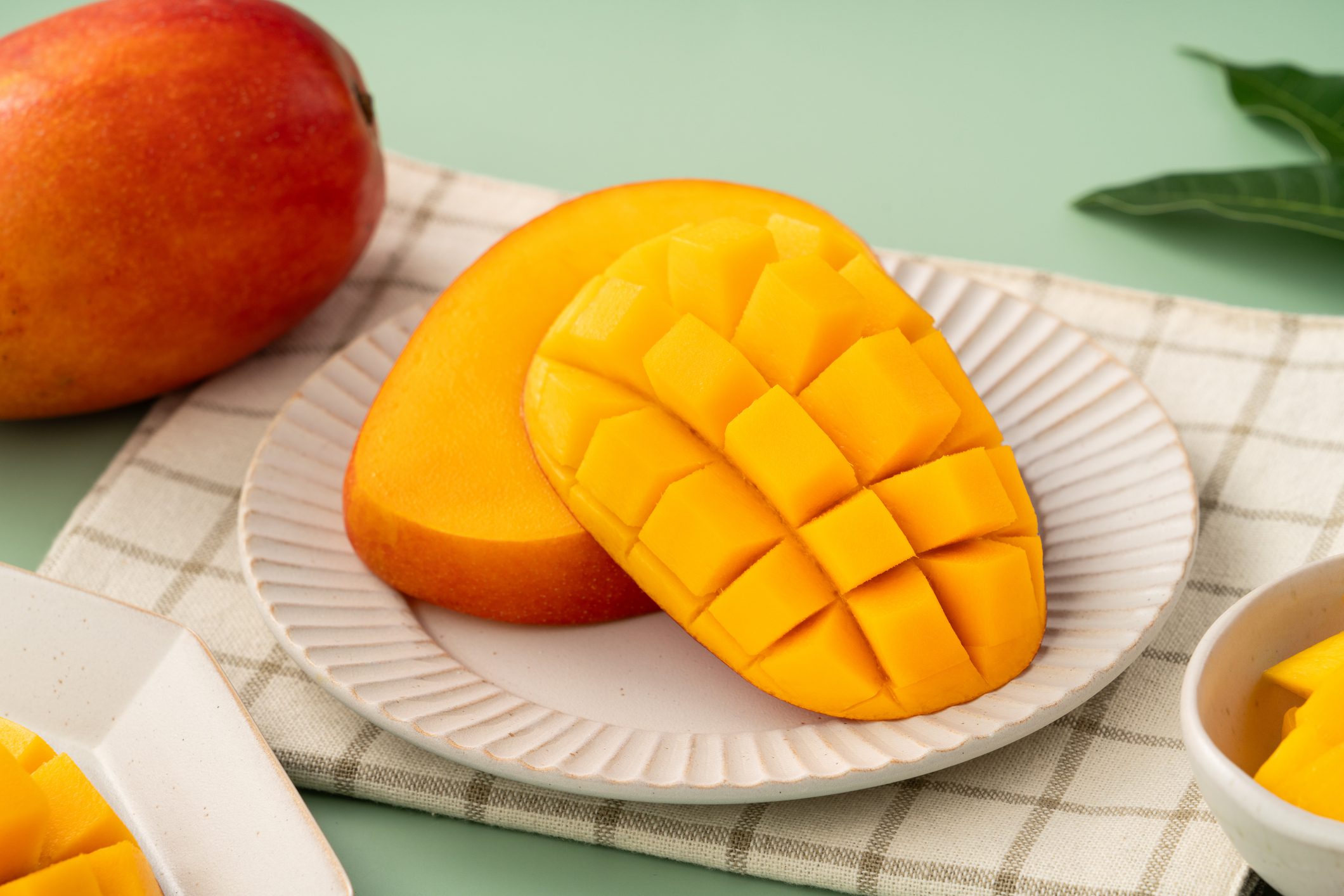
In the trial, subjects consumed one avocado and one cup of mango daily for two months. After just eight weeks, it was concluded that consuming the fruit noticeably improved heart health. Specifically, it helped blood vessels work better.
“Essentially, your blood flow is improved when consuming higher amounts of fruits and vegetables, compared to less fruits and vegetables,” Apolzan says.
These conclusions tie into Apolzan’s research on diet, specifically on the nationwide Food Is Medicine initiative that aims to use diet to treat and prevent chronic diseases like diabetes, hypertension and heart disease.

“[Food Is Medicine] has really taken a new life recently,” Apolzan says. “The goal is to help improve nutritional status, which helps improve health and lower healthcare costs.”
Along with physical activity and stress reduction, Apolzan says diet plays a tremendous role in heart health. But Apolzan says fruit is also one of the biggest contributors to food waste. So if you want to incorporate more fruits into your diet, he says you shouldn’t buy more than you can eat. He also suggests preparing the fruit so it’s ready to eat as soon as you take it out of the fridge.
Studies on nutrition serve as important resources for researchers like Apolzan. As scientists gain more insight into the food we eat, their suggestions and recommendations become more accurate and can improve health outcomes for more people.
For Louisianians, this research is more pivotal than for residents of other states. According to the U.S. Centers for Disease Control and Prevention and the U.S. Department of Agriculture, Louisiana ranks third among all states in the prevalence of food insecurity and fourth in the prevalence of obesity.
But Apolzan is hopeful for change.
“[Food] is something that we eat every day,” he says. “So these modest improvements at the individual level can lead to population-level changes that actually move the needle.”