Developing film in BR is hard. Here’s how local photographers manage
Just about everything we use today is digital, from the phones in our pockets to the watches on our wrists. Photos on our phones are instantaneously reflected to us without a second thought.
But something is changing in our digital world: There’s an emerging desire to go analog.
I first noticed this change from afar when I saw my peers using Polaroid or Instax cameras. I never saw the point until I took a photo with one myself. The clicking inner-workings of the camera work together perfectly like the gears in a clock. It’s now a sound that is like music to my ears.
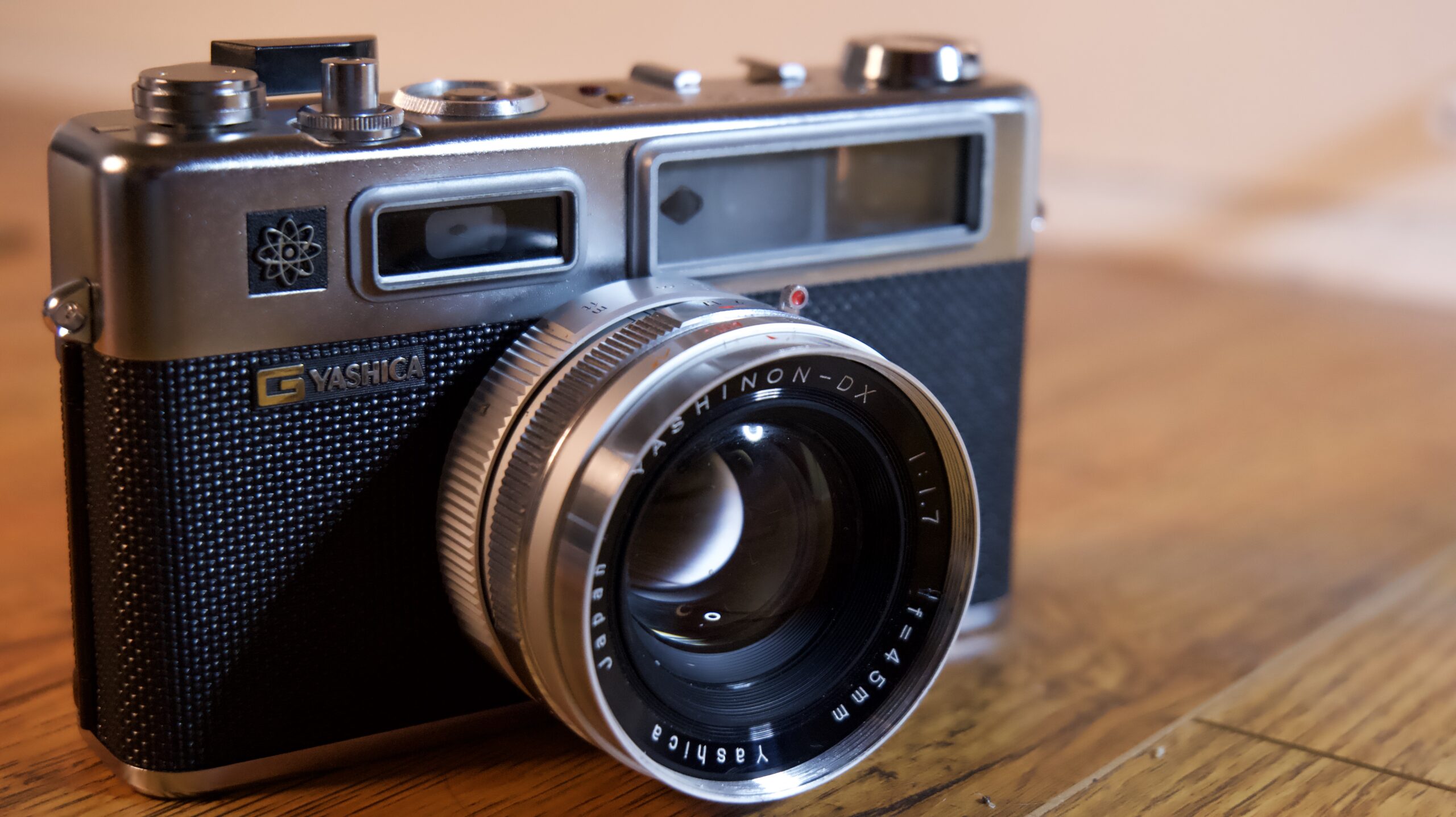
But I’ve also learned where things start to get complicated for the film lover and why most steer away: Film is hard to navigate. When taking a picture on a phone, there’s one step. For a film camera, there are about three: buy the film, take the pictures and develop the film.
In the ’80s and ’90s, film cost around $5 for a roll of 24 pictures. Now it’s about $11. Excitement for someone like me fades quickly when the prices start to climb. After spending money on film, I then had to find a way to develop the pictures. In Baton Rouge, there used to be multiple film labs to get pictures developed. Today, it’s virtually impossible to have film developed by a local business.
One of the last film labs to close in Baton Rouge then was Southern Camera, which was transformed into French Truck Coffee in 2017. That’s where I decided to meet Amy James. James is a black-and-white film photographer who still loves and clings to her medium.
Like the rest of us, she has to go to great lengths to stick with what she loves. She buys her film online, but when it comes to development, she knows a guy.
“This guy is kind of like a hermit,” James says. “I drop off my film in his ice chest. He works all night; I never see him. Then, I come back, take the film and put money in the ice chest.”
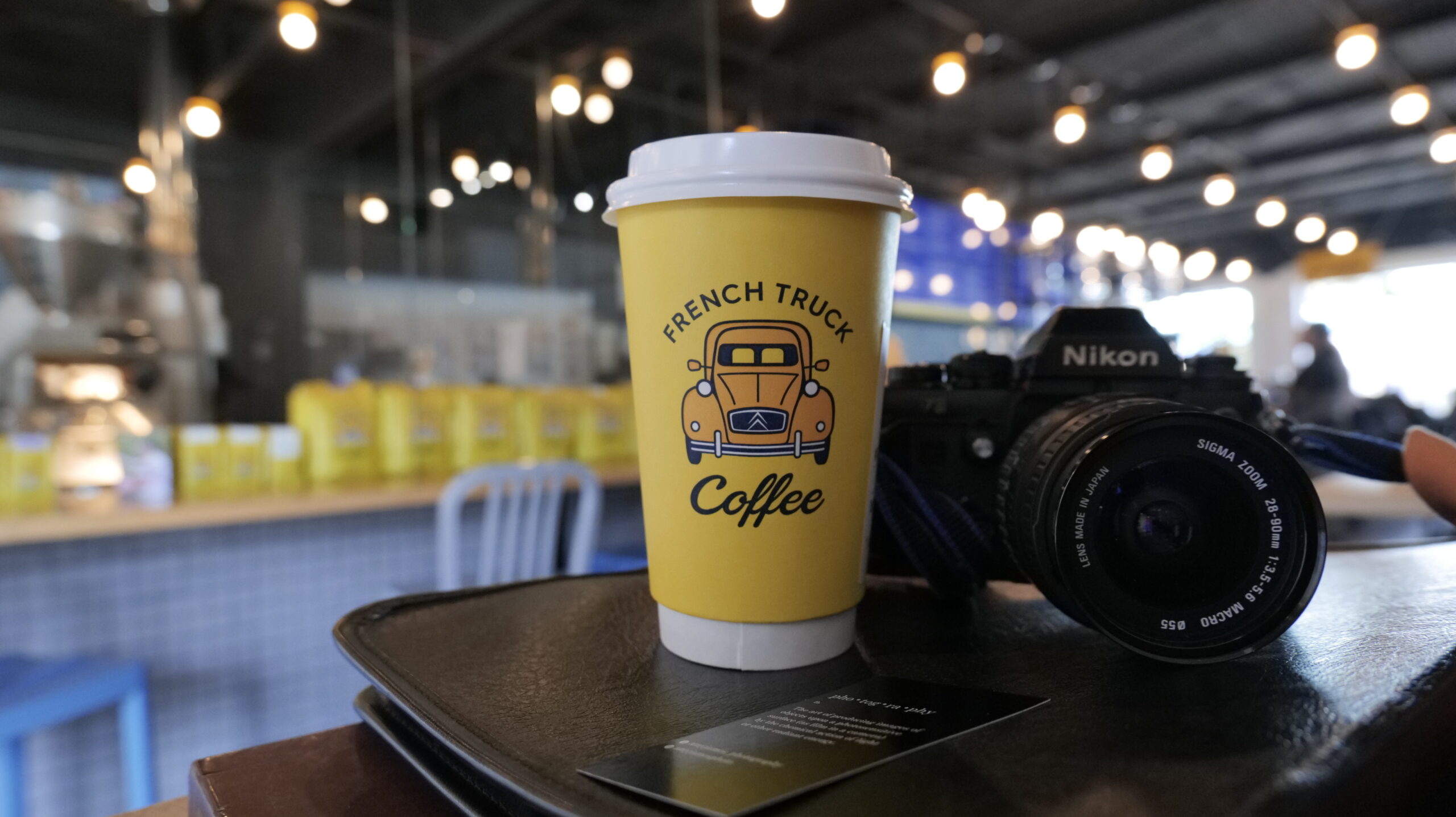
Despite its challenges, film finds a way to stay in use. Cinema still utilizes film and libraries still rely on micro-film stations and archives.
“Supposedly, (film) could last up to 2,000 years, whereas digital is 50 to 100,” James says. Film can also sit on a shelf without the worry of deletion.
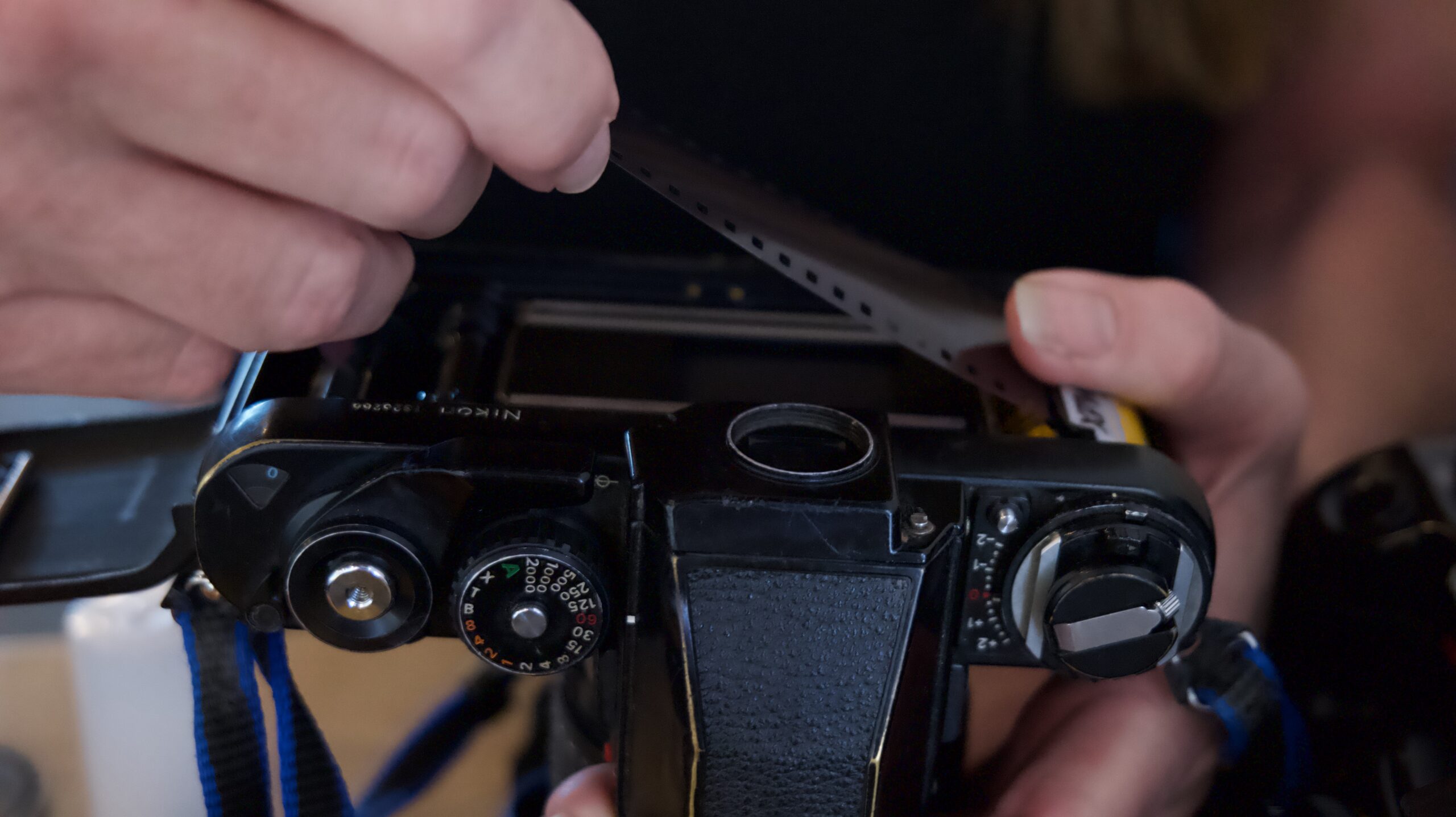
After my first Polaroid experience, feeling a newfound sense of love for the analog, I asked my friend Richard for his old camera. He gave me his grandfather’s Nikon from 1987. This was my first film camera, apart from a disposable one I used as a kid.
Immediately, I could feel the difference. The tactile feeling of loading and winding the film myself opened a whole new world for me. It’s no wonder that digital cameras now mimic the sound of a physical camera shutter.
I don’t have “a guy” like James, nor do my friends who have piles of film sitting around waiting to get developed. Without developing labs, a regular person’s only hope is to bring their film to big-box retailers like Walmart or Walgreens, or go through the toxic process of developing themself. Sending my film off for a company to develop is the least fun part about taking analog pictures, but a necessary one.
My own film collection has only grown since my first camera—and it will continue to do so. But I think the further society gets from analog technology, the more photographers will attempt to backtrack. The mechanical, tactile feeling of analog photography is not something we can replicate with vibrations or hums from a digital device.
In the end, even my memories have a shelf life, but my photos can last long after me.