WRKF and LPB brace for funding cuts following CPB funding clawback
The loss will impact more than 1,500 public radio and TV stations nationwide. 🎤 📺
Late last week, public radio and TV stations nationwide braced for a threat that had been looming for decades: the elimination of federal funding from the Corporation for Public Broadcasting (CPB). It finally happened Thursday, July 17, when Congress approved a White House request to claw back $9 billion in previously approved funding. Most of the funding package was intended for foreign aid, but $1.1 billion would have supported the CPB, a nonprofit formed in 1976. It will impact more than 1,500 public radio and TV stations nationwide, including WRKF in Baton Rouge and Louisiana Public Broadcasting, which serves the state.
For WRKF, it means losing about $150,000, or 8% of its annual budget, says general manager Paul Maassen.
“That is money that was appropriated for fiscal years ’26 and ’27 and had already been factored into our budgets,” Maassen says. “So now we’ve got to rework all that and figure out how we’re going to replace that money and continue our coverage moving forward.”
Launched in 1980, WRKF covers a 13-parish broadcast area and has about 50,000 weekly listeners, Maassen says. Like other public radio stations around the country, it pays fees to air national programs like Morning Edition, Fresh Air and All Things Considered. It also produces its own local programs, including Talk Louisiana, Louisiana Considered and regular news bites aired throughout the day on politics and community issues. The station used its CPB funding to support both the purchase of nationwide shows and its own south Louisiana-focused programs and reporting, Maassen says.
An additional financial hit to the station will come in the form of absorbing costs formerly paid for by the CPB, he adds. Those include music rights and the use of the satellite systems to deliver certain programming. Such expenses will now be passed on to local stations with no offset by the CPB.
Maassen says WRKF has made producing local programs and news a key objective.
“Our audience has told us they want local coverage, and we’ve really prioritized it,” he says. “It’s something we want to keep as whole as possible.”
For LPB, the CPB funding cut means a loss of $2.4 million in annual support.
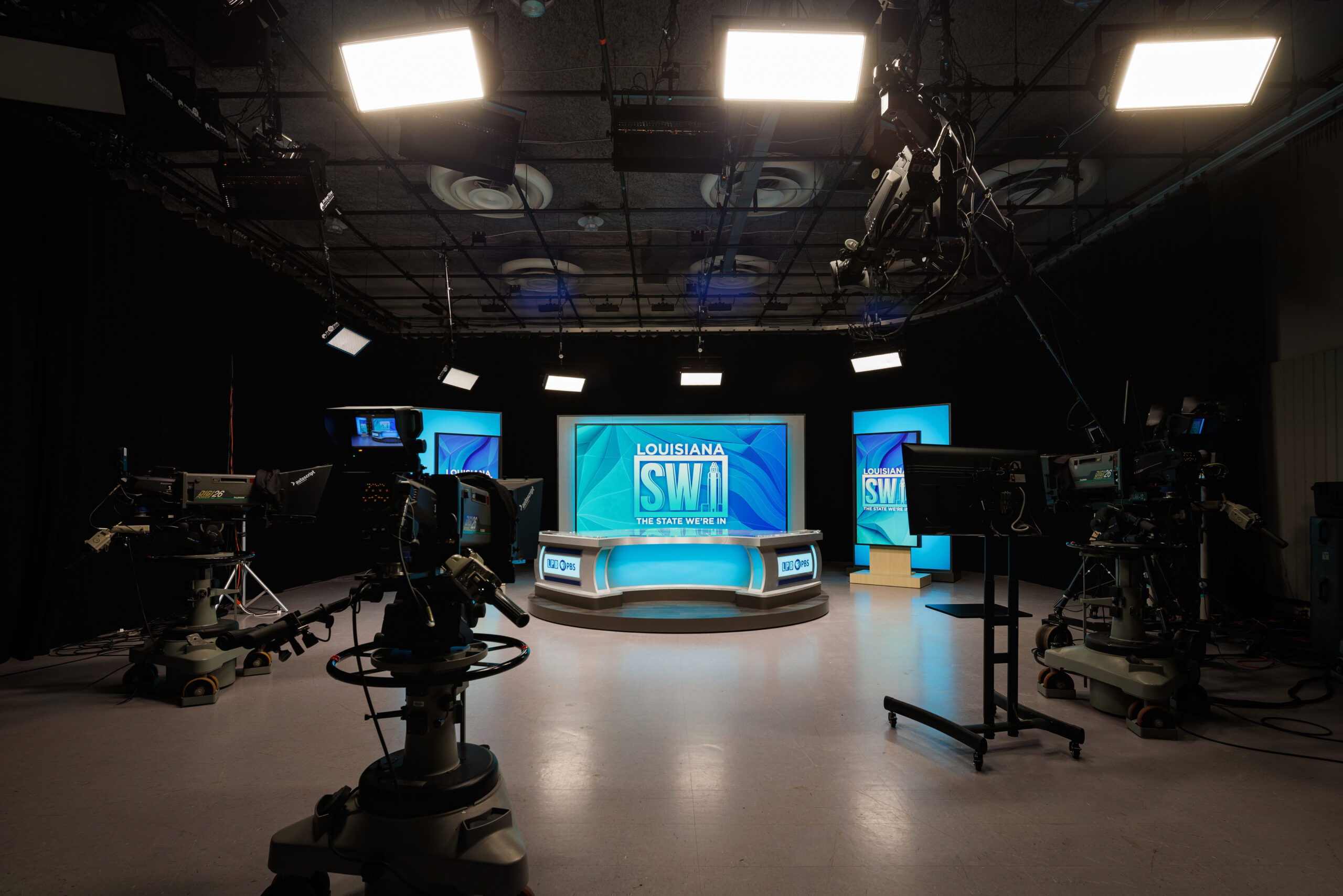
Along with public television programs like Sesame Street and Frontline, LPB airs locally produced shows like Louisiana: The State We’re In, currently in its 48th season, and Art Rocks!, a program that profiles Louisiana artists and makers.
The federal funding cut will be felt starting Oct. 1.
WRKF is still finalizing its strategy on how to close the gap, but on-air fund drives—a public radio mainstay—will likely factor large. In fact, one was already scheduled for this week. The longstanding practice formerly focused on fall and spring fundraisers to encourage donors to make annual contributions, but in recent years, the push has been to onboard onboard monthly contributors.
“WRKF is actually among the highest percentage of stations with individuals making monthly donations,” Maassen says. “We’re in the top 20%.”
He’s hoping those members will up their donation, and that new donors will opt in to help close the gap.
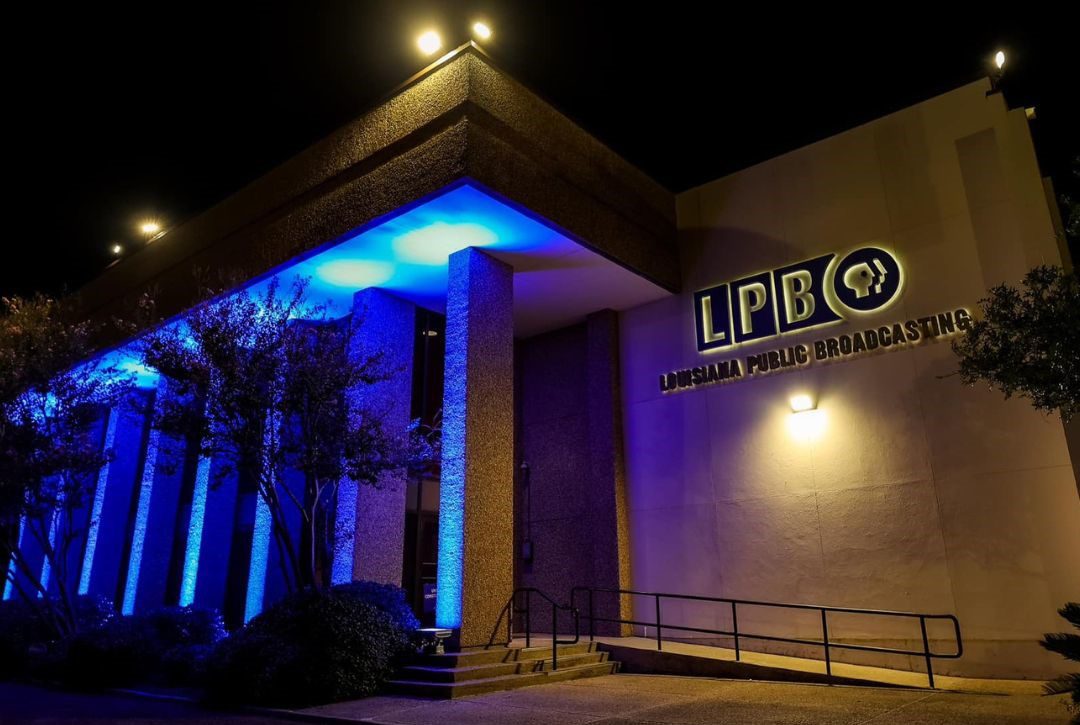
LPB didn’t make officials available for comment but provided a statement from President and CEO Clarence “C.C.” Copeland.
“The loss of this funding will present a challenge, but Louisianans know how to face challenges,” Copeland says. “LPB is a part of the cultural and civic fabric of the state. We remain committed to doing the right things for the right reasons, telling Louisiana stories, helping to educate our children and connecting communities through trusted information.”