How the family behind Ichiban is spreading authentic Asian dining across the Capital Region
Taste of history: Each month across our 20th year, 225 will revisit restaurants from our past coverage. From Capital Region classics and award-winners to trendsetters and hidden gems, these businesses have helped shape our dining culture.
 Today, Baton Rouge’s culinary landscape boasts a broad spectrum of international cuisines, making it hard to believe there was just a handful of other sushi restaurants in the area when the Wong Family opened Ichiban Japanese Grill & Sushi Bar in 2003.
“In Baton Rouge, when people talk about sushi, they mention the word Ichiban,” owner Randy Wong says. “Everybody who eats from us knows what they’re getting, and they learned how to eat sushi by us being one of the first ones in town.”
The Wong family’s influence is undeniable when mapping out the history and expansion of Asian cuisine in this city. Following the success of their father Kit, who opened institutions like Chinese Inn in the ’70s and Mandarin Seafood in the ’80s, the Wong brothers Randy, Eddie, Ronnie and Patrick ventured into Japanese cuisine, opening what would become an icon in the local sushi scene.

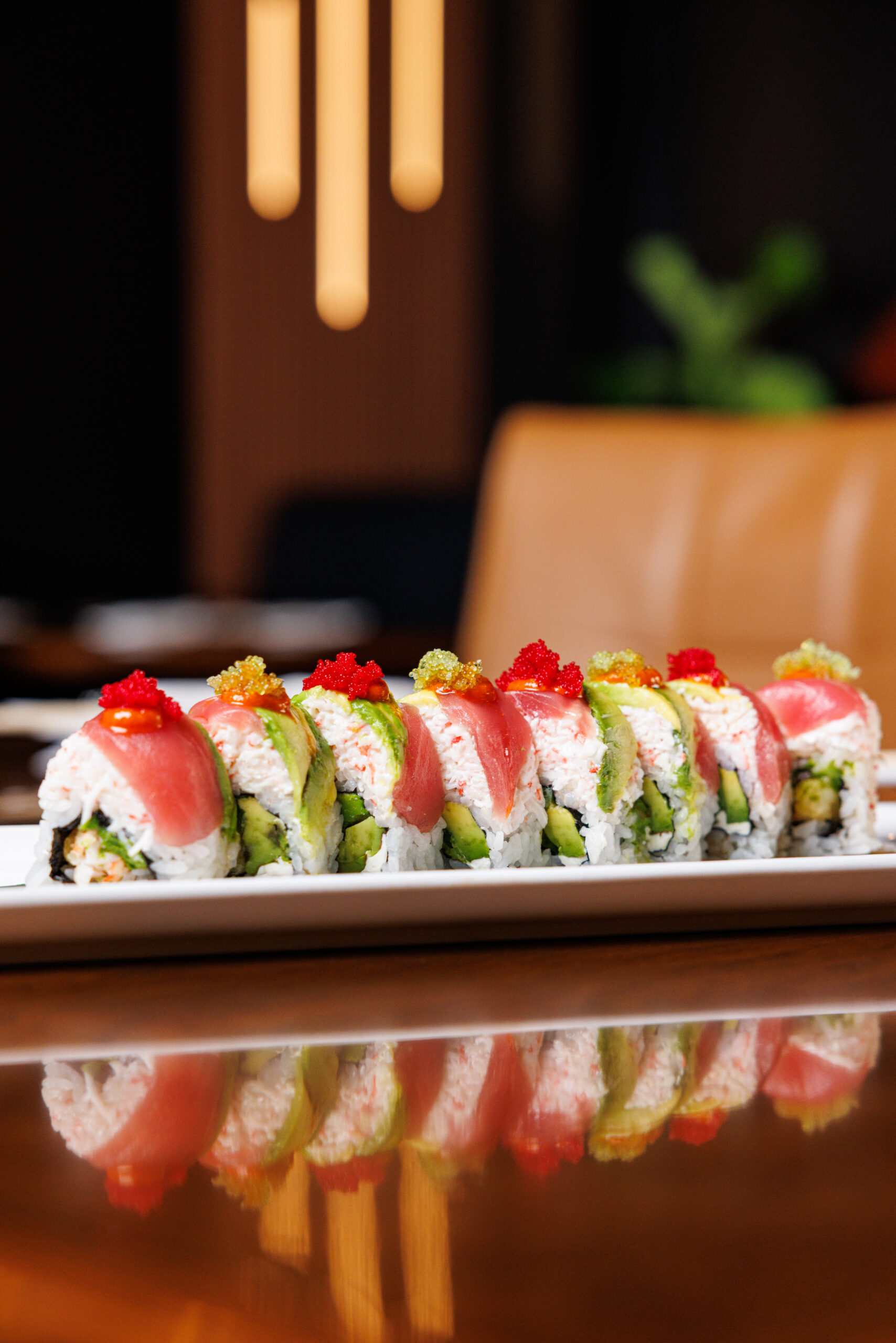
For more than two decades, Ichiban has maintained its elevated yet approachable atmosphere and menu that refines Japanese restaurant nonnegotiables—with 14 Best of 225 Awards to its name.
The long-standing Essen Lane spot has withstood updates, like a 2013 facelift that took the restaurant down to the studs and introduced a sleek, fine-dining aesthetic, plus a few menu changes over the years. Still, with a legacy like Ichiban’s at stake, Wong cites consistency as a top priority for the restaurant, maintaining that its customers can (and do) expect the familiar rolls and dishes they’ve grown accustomed to.
“We want to add new items,” he says, “but we don’t want to change what’s been working for us.”

As for what’s working, Ichiban serves 10,000 to 12,000 sushi rolls a month, with its rainbow roll and the Fire in the Hole–a specialty roll filled with tempura shrimp, avocado and cream cheese then topped with snow crab, tuna and multiple sauces–standing out as crowd favorites, Wong says.
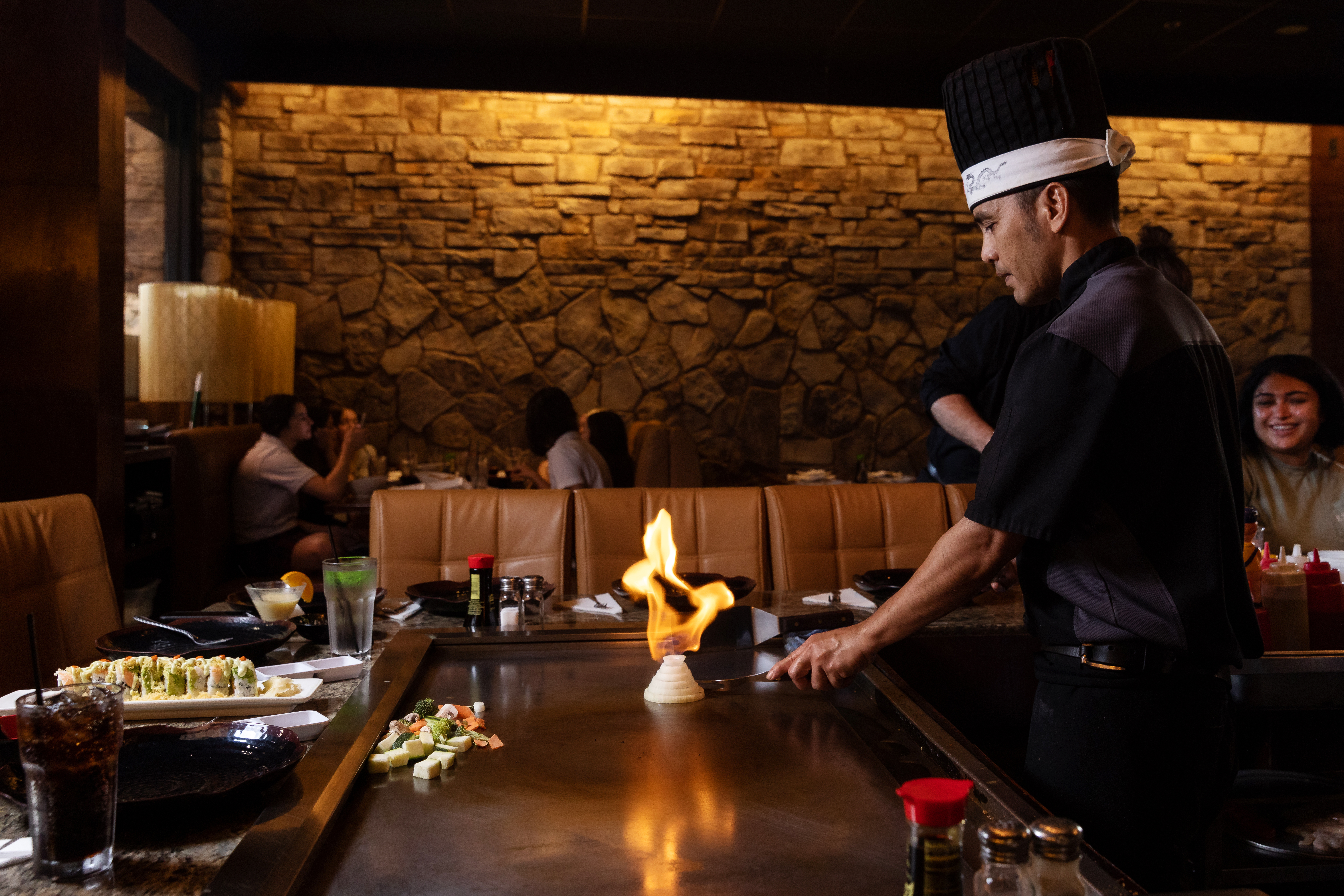
But sushi is just half the menu at Ichiban, where popular hibachi tables are typically reservation-only. The family eventually made the hibachi selection available to all tables (minus the show) after demand grew larger than the chefs could accommodate in one night.
And after decades of pioneering the Capital Region’s restaurant industry, the Wongs have no intention of stopping. Earlier this year, the family relocated its scratch-made Japanese noodle bar, Boru Ramen, and trendy Asian-style dessertery, Sweet Society, from Electric Depot in Mid City to a splashy new, shared space on Essen Lane. The eateries are joined by a 21-machine claw arcade called Tiger Clawzzz, inspired by trends the Wongs saw in larger metros. Now patrons can grab a steaming bowl of tonkotsu ramen and colorful taiyaki ice cream before scooping up plushies at the innovative three-in-one concept just down the street from Ichiban.
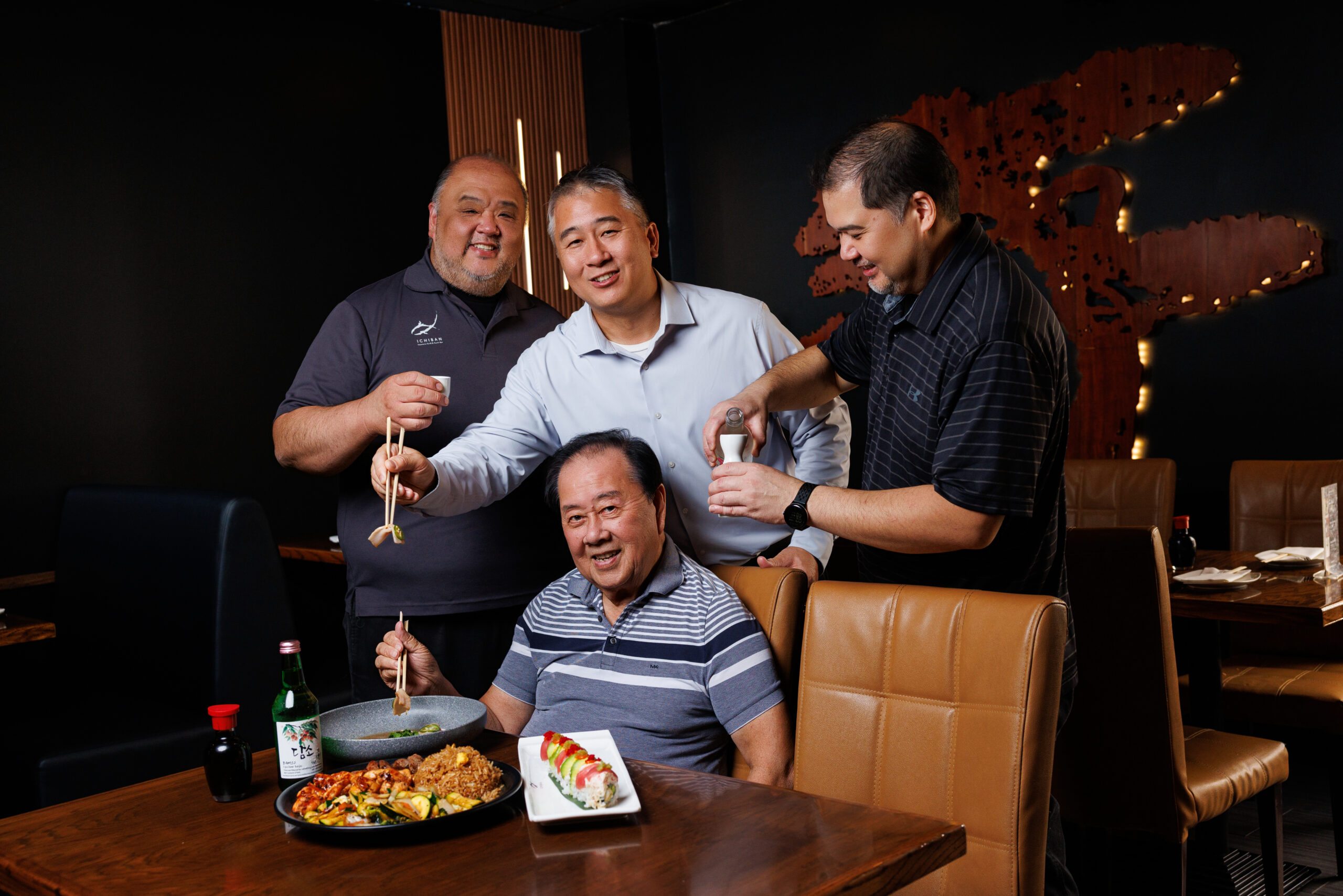
The next frontier for their multicuisine empire includes an expansion outside of Baton Rouge. Shokudo: Premium AYCE, a premium, all-you-can-eat sushi spot in Gonzales, will open its doors this year, and the family already has a project on the horizon in Central.
“Asian concepts are here to stay,” Wong says. “And we just want to be a part of the growth.”
The Wongs are focused on bringing new flavors and experiences to diners while preserving one of the city’s early Japanese restaurants, holding firm to their belief that cold sake, fresh sushi and mountains of hibachi are the simple secrets to a lasting legacy.
This article was originally published in the September 2025 issue of 225 magazine.