
How to Fight Bad Breath
 Content provided by our sponsor: Dr. Jason D. Hutto, DDS.
Have you ever had a dog that would come in your room in the morning and just stare at you and breathe in your face?
Now imagine rolling over and basically doing that same thing to your sweetie. Is your morning breath enough to wake someone from a dead sleep?
If you suspect your breath may not be fit for man nor beast, you’re in luck. We reached out to Dr. Jason Hutto, DDS, for some tips on how to fight the stinky smell and bring your mouth back to optimal health and freshness. Here are his tips.
Start with a Visit to the Dentist
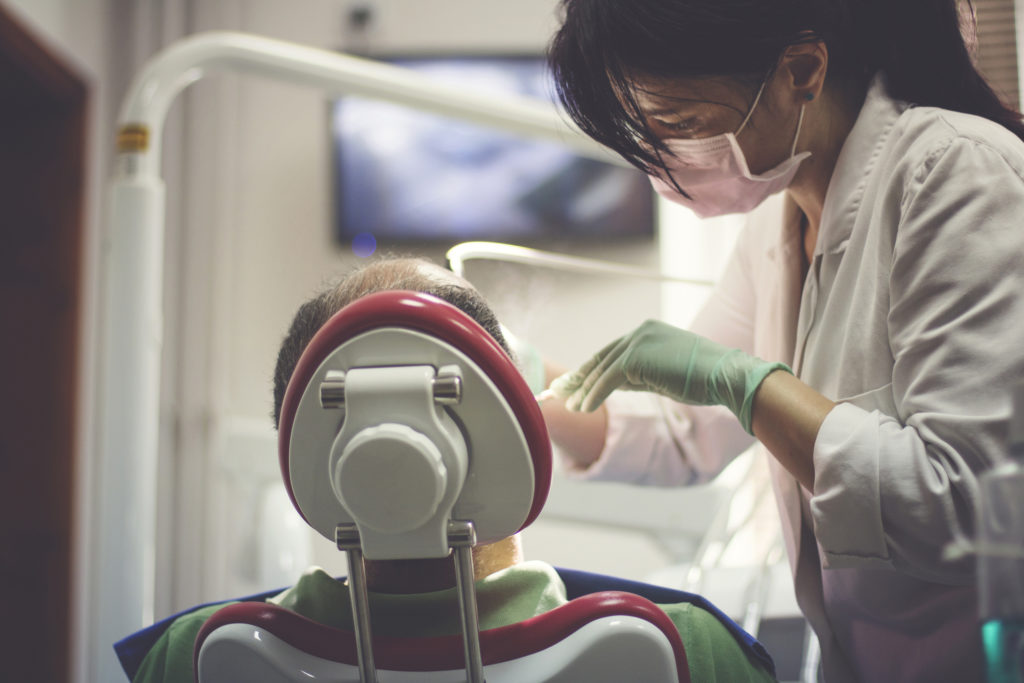 You brush regularly and floss … most of the time. But if it’s been awhile since your most recent checkup, it may be time to visit your dentist to rule out any serious conditions causing your bad breath.
The most likely culprit is periodontal disease, Hutto says. “It’s caused by bacteria under the gums which produce a sulfur smell. The more bacteria you have, the stronger the smell, and it’s really foul.” The solution here is to treat and prevent gum disease.
The good news is that treatment for periodontal disease likely isn’t too involved. You’ll start with an exam and regular cleaning, Hutto says, coupled with gum cleanings. “The patient may have to schedule hygiene visits every three to four months until it’s under control instead of every six months, but we can get it under control if it’s not too advanced and things can improve,” he says. If it’s very advanced, you may need surgery to repair or have teeth extracted. Some infections are too bad to be fixed, he says.
A dental exam can also reveal tooth erosion, which is a sign of acid reflux. Hutto says reflux also causes bad breath and needs to be treated by a physician.
An exam and discussion could also reveal inflamed adenoids or tonsils, which can cause a bacterial buildup, or a medication you’re taking that may be contributing to bad breath. “Almost every medication has dry mouth as a side effect, especially those for blood pressure, attention disorders and anxiety,” Hutto says. Dry mouth means less saliva to wash away bacteria and food particles in the mouth, but there are things that can be done to mitigate this.
Keep Up the Good Work with Great Hygiene
 After you’ve visited the dentist and ruled out anything serious causing your bad breath, now you need to step up your hygiene game to maintain that fresh-from-the-dentist feel and keep bad breath at bay.
Beyond brushing and flossing (every day!), what can you do? For starters, take care of your tongue, Hutto says. “Bacteria build up on the tongue and it forms a film and that can cause bad breath, especially if you get a coated tongue,” he says. A tongue scraper or even just using your toothbrush gently on the tongue can help with this.
Also, you might want to rethink your mouthwash. Mouthwash can kill bacteria and leave you feeling minty fresh, but it can also be a cause of dry mouth, Hutto says. Rinses that contain alcohol can actually dry out the mouth and cause bacteria to build up. Instead, he says, look for an alcohol-free rinse such as Closys.
Consider Food Culprits and Food Solutions
 Even those with the best dental-hygiene routines will occasionally have bouts of bad breath. That’s the price you pay for foods like roasted garlic hummus, and it’s worth it now and then. The most common causes of food-related mouth odor are onions and garlic, Hutto says. Both of these pungent plants are in the Allium genus, and they contain volatile sulfuric compounds that cause bad breath and make you cry.
Other food-related culprits include alcohol and coffee. On top of their sometimes pungent odors, they are dehydrating, Hutto says, and dehydration leads to dry mouth.
On the flip side, there are foods that can help make your breath a bit better if you’re stranded on a desert island with lots of foodstuffs and no toothbrushes. Crunchy foods like carrots, apples and celery can be a bit abrasive and act as a gentle toothbrush, to remove bacteria buildup and stimulate salivary flow, Hutto says.
“Sugarless gum, as long as you don’t have jaw problems, can stimulate salivary glands to prevent dry glands and rinse food particles,” he says. If you have jaw problems, too much gum-chewing can make the jaw sore.
Also helpful: plain old water. “Drink plenty of water to avoid dry mouth. The key is to prevent dehydration and lack of saliva. Saliva has buffers and antibacterial agents in it to make your breath smell better,” Hutto says.
Stay hydrated, keep up the hygiene and lay off the onions from time to time and you should be ready for a closeup with people and pups alike.
Want to improve your self-confidence and quality of life through your smile? Contact Dr. Hutto today and schedule your appointment.