Write on: Storm watch
There were nonstop tornado warnings for my hometown, and my dad wouldn’t answer his phone.
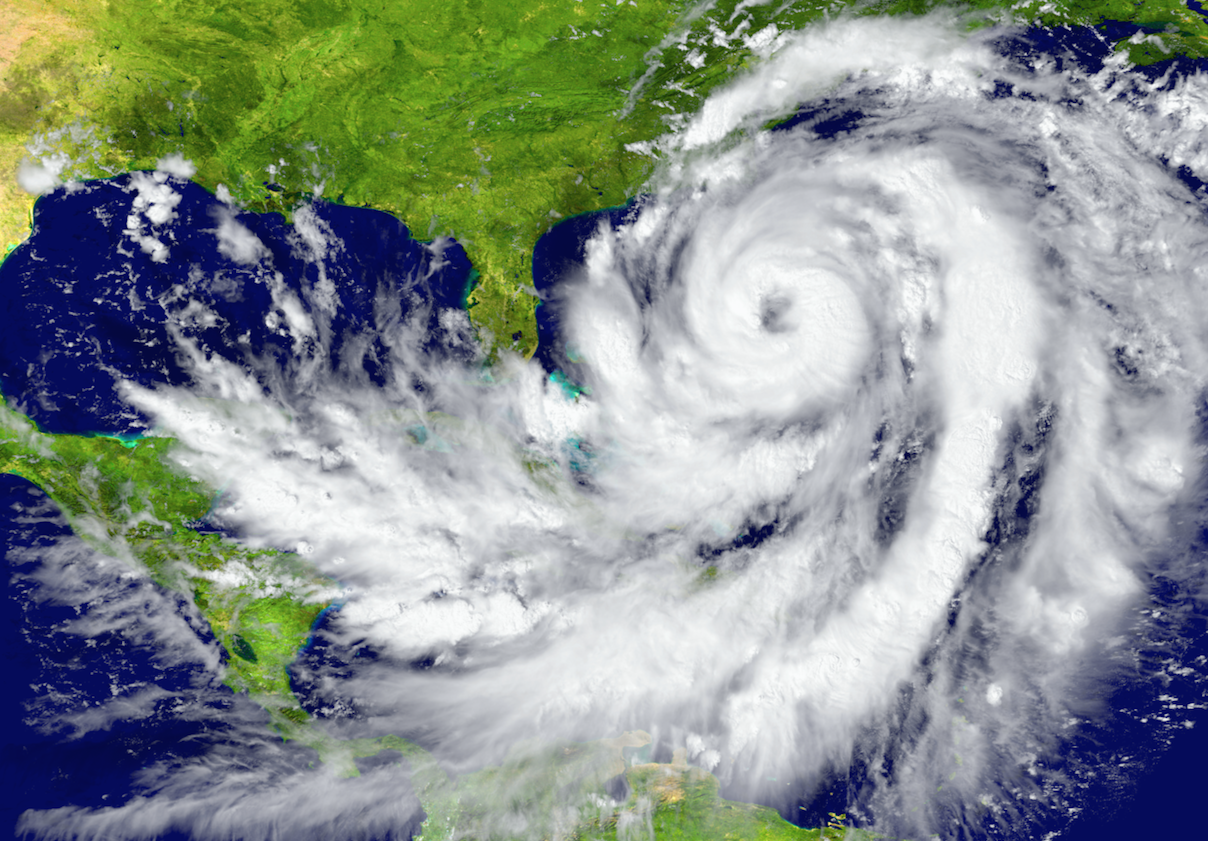
It was nearing midnight Saturday, and Hurricane Irma was about to make landfall in the Florda Keys. The outer bands of the massive storm had already reached West Palm Beach, where my parents live.
About 90% of me knew the power was probably out, so he’d most likely turned off his phone to conserve battery. The other 10%? It was going all kinds of places.
That’s pretty much how I felt during Hurricane Irma. For days, computer models predicted one of the strongest Atlantic hurricanes would make a direct hit along the southeast coast of Florida, where I grew up and many of my loved ones live.
The storm eventually ended up jogging slightly west, sparing my home its category 4 winds.
But those days were still terrifying. For the first time since I left home, I learned how strange it feels to watch something like that unfold from afar.
Louisianans, of course, are no stranger to natural disaster. In the days before the storm, I got the same sympathetic questions from my friends here: Where exactly do they live? Are they going to evacuate? How are they doing?
With the August 2016 flood and devastation experienced by our friends to the west during Hurricane Harvey still fresh, it was easy to imagine the worst.
And so I probably followed the hurricane more closely than those in its path did, as everyone there was preparing. From Baton Rouge, I live streamed TV reports from local stations back home. I devoured every think piece The New York Times wrote about hurricanes. I was exhausted but too anxiety-ridden to sleep.
Because I felt helpless, I compensated by refreshing computer models every 30 minutes and watching weather enthusiasts nerd out on Facebook Live. (Mike’s Hurricane Page is a gem.)
“Did you see Irma’s pressure dropped again?!” I’d text my mother. If she didn’t reply fast enough, I’d send her a string of emojis.
It was all so strange, because every other time a hurricane has hit my home, I’ve been there for it. The last time I experienced a major hurricane, Facebook wasn’t everyone’s source for updates. Back in 2005, we rode out storms while watching reports on battery-powered TVs. We never knew whether school would be canceled until the principal made an announcement on the loudspeaker.
Social media has made the whole experience much more visceral. Even hundreds of miles away, I knew exactly which of my friends evacuated and which gas stations were sold out.
And when that western turn eventually came and I realized my family would get lucky, I also knew that meant others—people in Cuba, the Keys, Naples, Barbuda, St. Martin—weren’t so lucky at all.
I learned a lot from all those articles I read on Irma—most crucially, that there will be more Harveys and Katrinas, Irmas and Marias. It makes me so sad and scared.
I first learned what the word “hurricane” meant when I was 4 and heard Andrew’s roaring winds. But even after spending decades in coastal Florida, I have learned so much more about resilience after disaster from my three years here.
Sure enough, moments after the damage from Harvey was done, Baton Rougeans were donating and volunteering, doing everything they could to help victims. And sure enough, as soon as Irma had moved through Florida, my friends here were asking about my family.
Other than some downed trees and long days without power, they are fine, by the way. Thank you for asking.
This article was originally published in the October 2017 issue of 225 Magazine.