Has BR turned cosmopolitan?
Local leaders reflect on the question posed in 225's first issue 🏙️📍
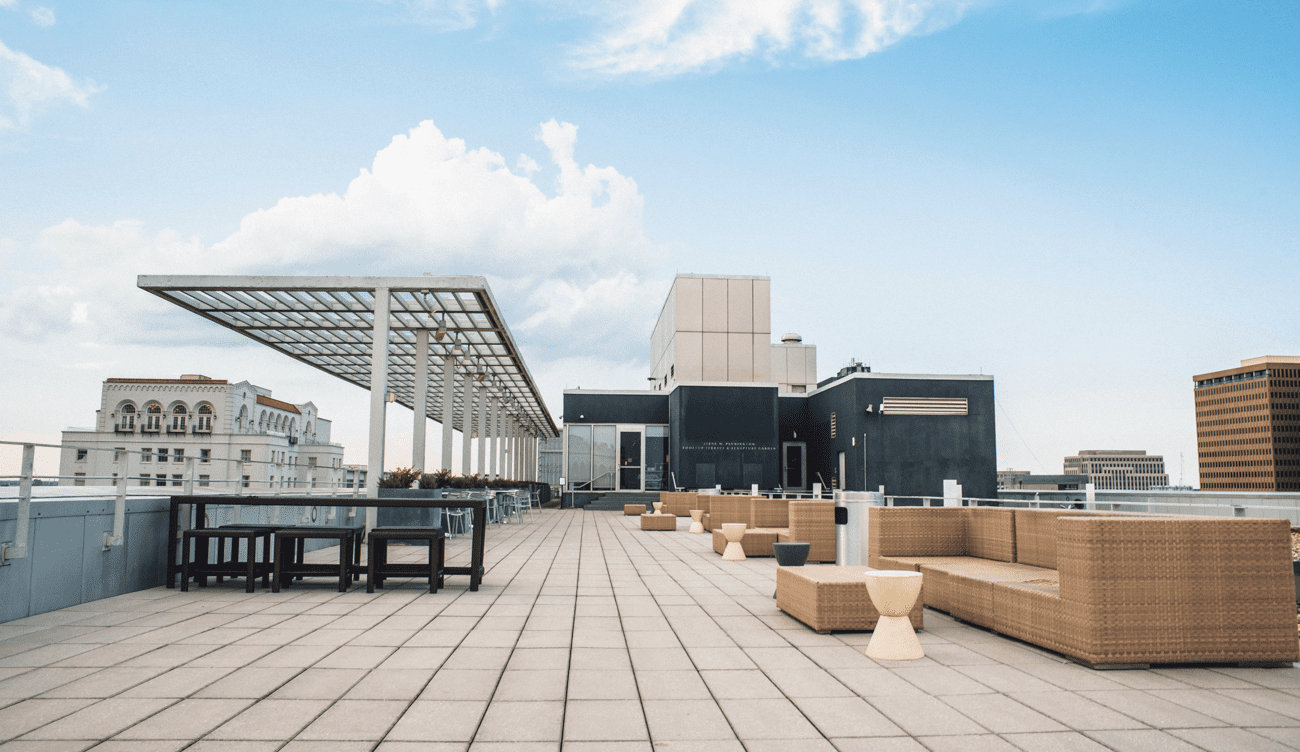
Twenty years ago, on the rooftop terrace of Tsunami shortly after it opened, 225 Magazine asked a hopeful question to mingling locals: Is Baton Rouge turning cosmopolitan?
In 2005, new suburban projects, fresh energy downtown and an influx of Katrina evacuees gave the city momentum. Two decades later, Baton Rouge is still evolving—culturally, economically and socially—as residents continue to define what life in a capital city should look like.
Jonathan Grimes, who became president and CEO of the Arts Council of Greater Baton Rouge last year, has seen the arts scene transform with the additions of spaces such as the Shaw Center for the Arts and Manship Theatre, which were both featured in 225’s first issue in 2005. He highlights public spaces like Galvez Plaza and North Boulevard Town Square, which since 2012 have hosted hundreds of events including Live After Five concerts and the Baton Rouge Blues Festival.
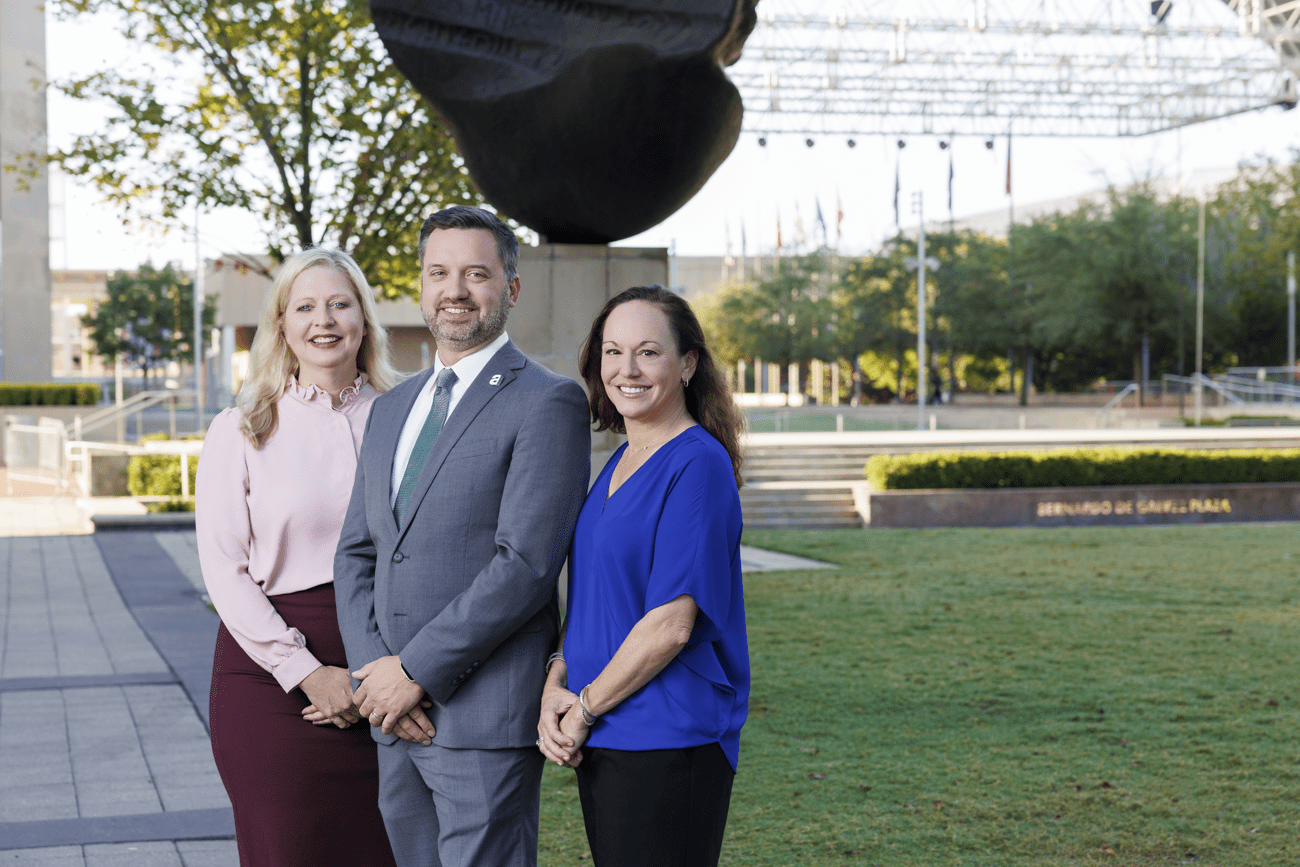
The pandemic put the local arts and culture scene in the washing machine, but arts programming is never “one size fits all,” Grimes says. “We want a vibrant arts and culture scene everywhere, not just in downtown,” he says. “We’re looking at north and south Baton Rouge, and in Ascension Parish.”
The challenge is finding ways to continue to empower and support local artists. Entities such as the Red Stick Farmers Market, Live After Five and area theater companies cannot survive without community support, he says. The Arts Council recently launched a music census to get specific data from local musicians and venue workers on the current state of the industry.
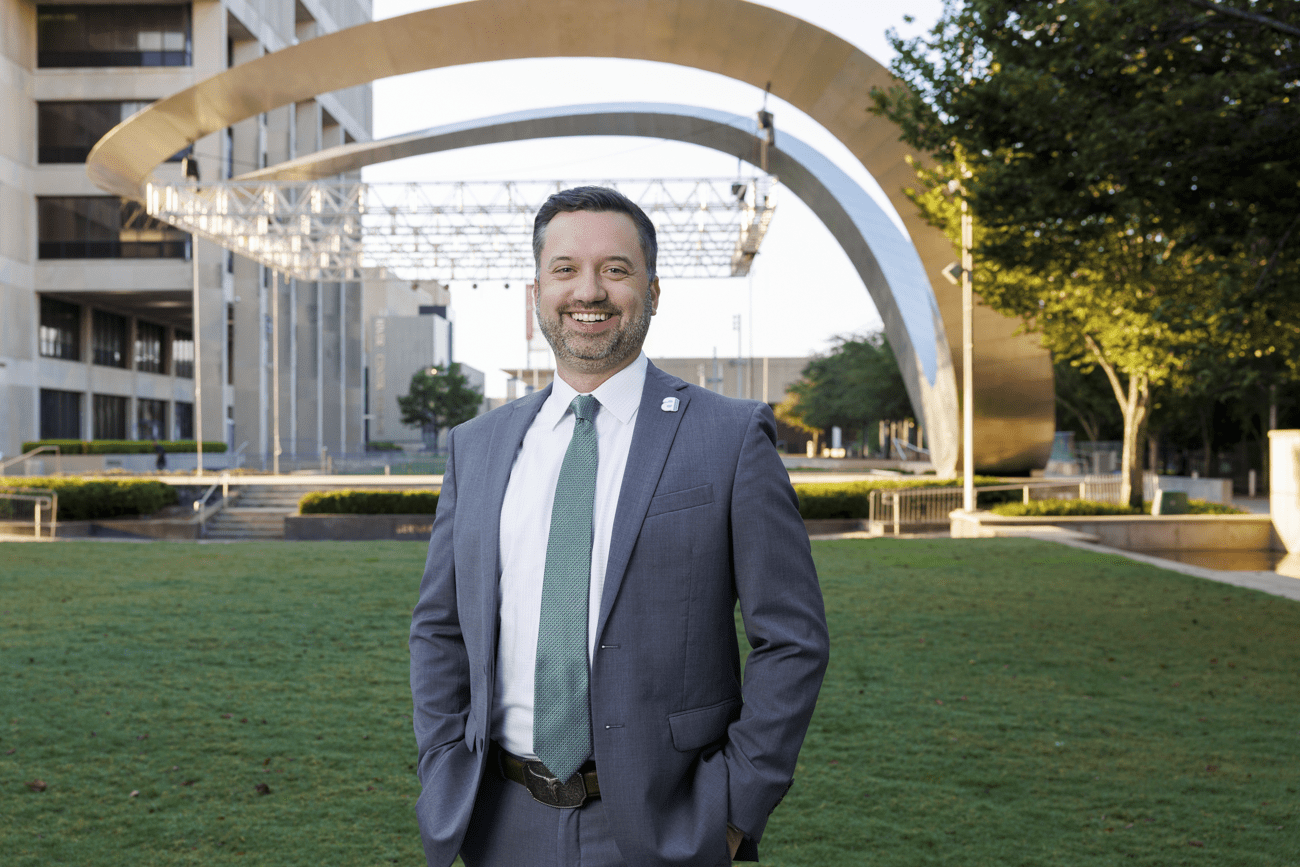
“We’re the state’s capital; we should be getting the big performances and be elevated to a level that represents who we are,” Grimes says. “I think we’re moving in a positive direction with potential development of the new LSU Arena and potential redevelopment of the River Center. Moving forward, there are a lot of promising things that will make Baton Rouge a better place to live and visit.”
Like the arts, Baton Rouge’s culinary scene has also seen significant transformation over the years as diners’ tastes—and food costs—change with the times. Yvette Bonanno, president of the Baton Rouge Epicurean Society, has worked across nearly every facet of the food service industry, from family restaurants and hotels to running her own establishments. She says locally founded restaurant groups have flourished over the past two decades as diners seek consistency and casual dining. City Group Hospitality and Ozzie Fernandez’s GO Eat Concepts are two local groups exemplifying the trend, expanding from single spots into recognizable brands with half a dozen restaurant concepts under their umbrellas.
“When you’re able to standardize recipes and produce in a commissary, you ensure consistency and cost savings,” Bonanno says. “You establish your restaurant, and people know what to expect when going to another dining experience owned by your restaurant group. People know the reputation with that restaurant group and the overall price points.”
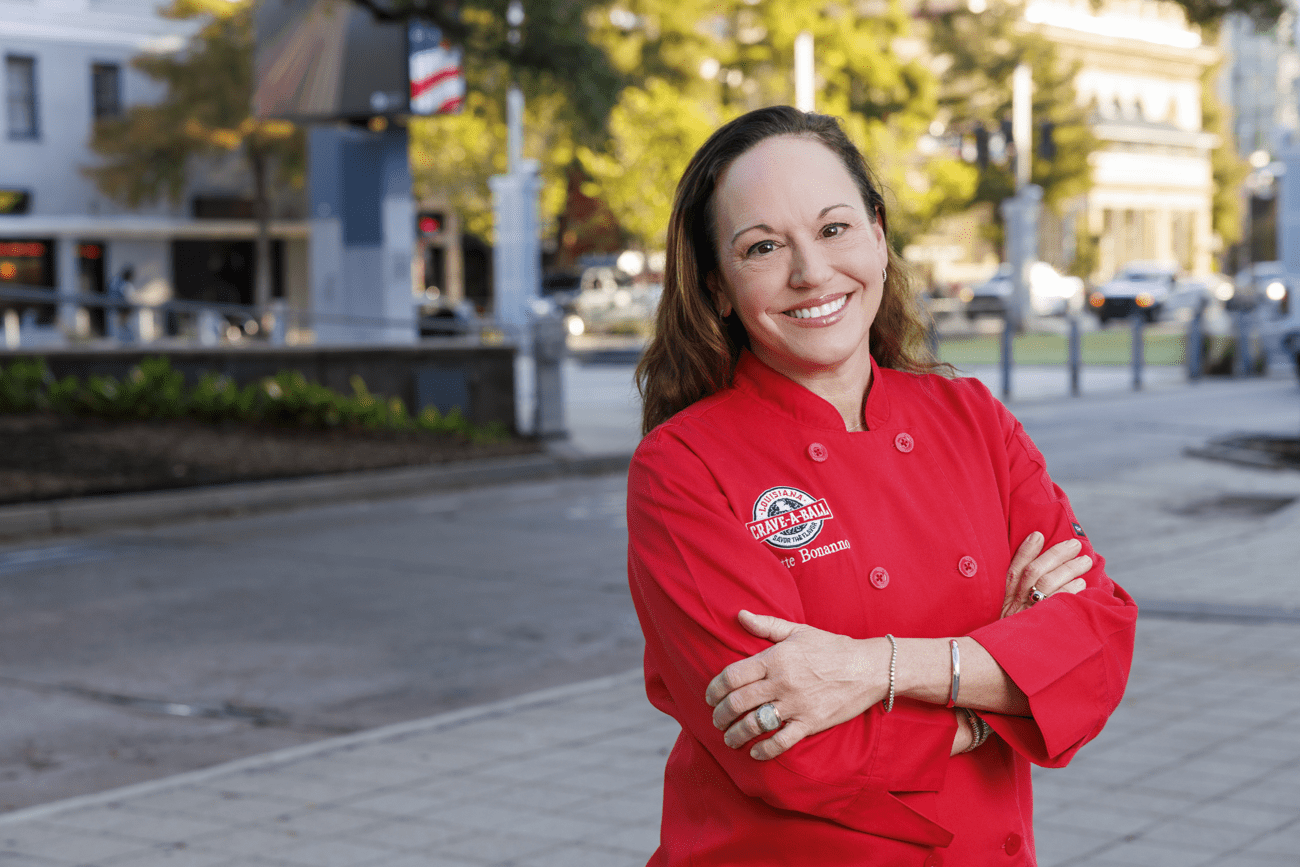
While Mid City, the Perkins Road Overpass District and other neighborhoods have become magnets for new restaurants, Bonanno notes strong chefs are opening concepts citywide.
As Baton Rouge’s dining scene has diversified, its neighborhoods have, too—each with its own energy, from Mid City’s restaurants to the Baton Rouge Health District to downtown’s residential revival. Downtown Development District executive director Whitney Hoffman Sayal says the business district’s renaissance began in 2005 with the openings of the Shaw Center and the Hilton Baton Rouge Capitol Center. Hotel availability in particular was a topic of discussion with Davis Rhorer, who held her post before his death in 2021.
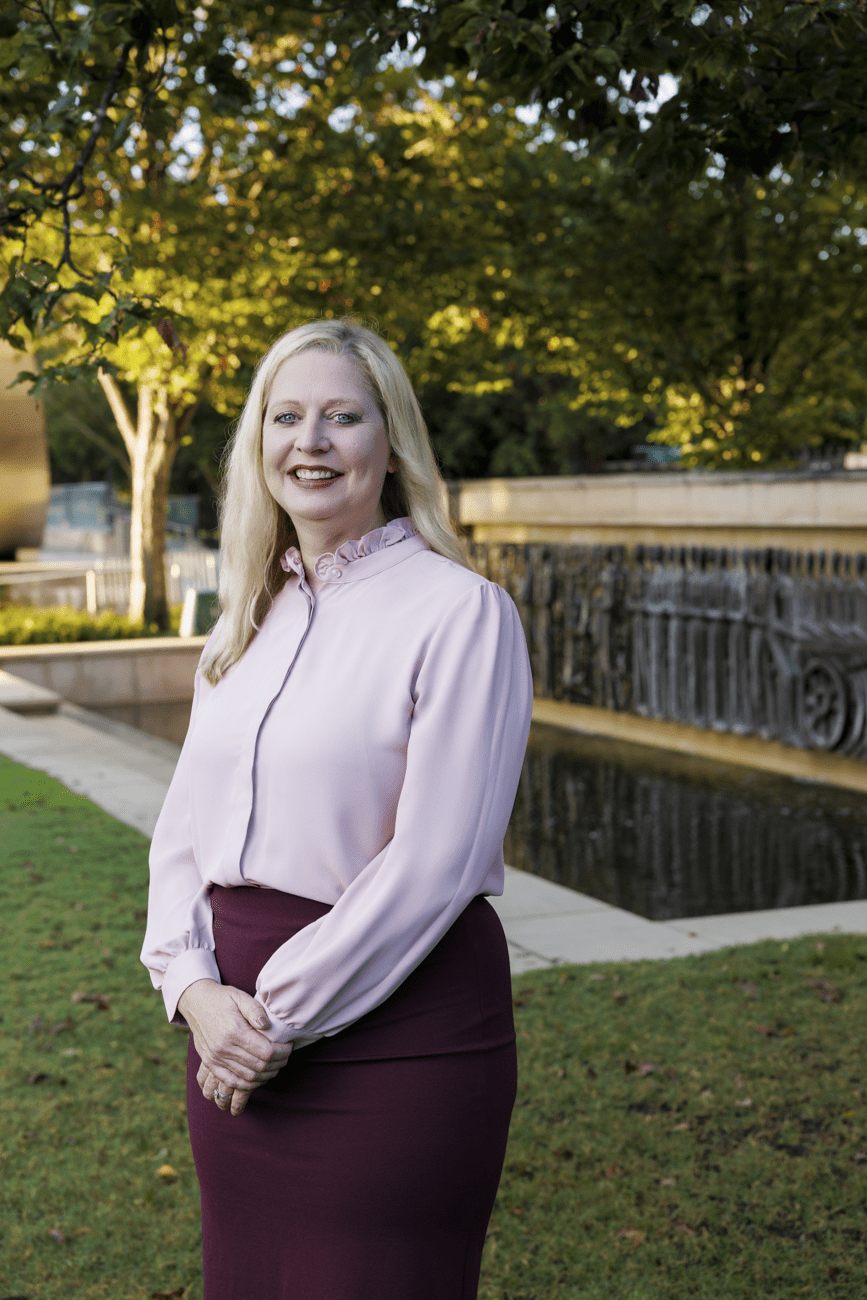
“Davis talked to me about how we didn’t have any hotel rooms in the CBD in the 2000s. Now we have seven hotels with 1,200 hotel rooms,” Sayal says. “We’re really seeing that the visitor market is helping push downtown forward.”
By the late 2000s, downtown focused on strengthening its residential and visitor bases. Today, Sayal says its success relies on three groups: state workers, hotel guests and residents. Looking ahead, she hopes to better connect Baton Rouge’s neighborhoods.
“Seeing Mid City grow has been really great,” Sayal says. “We need to connect these places of growth and close the gaps in between them to become a flourishing, cohesive urban landscape. We’re not done yet.”
This article was originally published in the November 2025 issue of 225 magazine.