Unleashed: Far from hog heaven
Photo by Prof. Glen T. Gentry.
A recent LSU AgCenter study shows feral hogs caused at least $30 million in damage to crops on Louisiana farms in 2013. But, that’s not all. Unless the species’ uncontrolled growth is halted, there’s a good chance the hogs will be rooting their way into the suburbs soon.
For more than a year, AgCenter economist Shaun Tanger has been gathering data from Louisiana farmers about hog activity and damage. The devastation results from a range of bad behaviors such as rooting up land and damaging farm equipment to spreading fatal diseases to wildlife and livestock.
“Up to this point, we’ve only had anecdotes, so we wanted to quantify how much cost is associated with feral hog activity,” Tanger says.
If farmers can sell them at all, hog-damaged crops often bring a lower price at market. For example, the 2013 Louisiana soybean crop suffered more than $9 million worth of hog damage. Hay producers lost about $7 million. The rice and corn industries both saw about $5 million in damage.
U.S. Department of Agriculture estimates 6 million feral hogs live in at least 41 states. Louisiana’s feral hog population hovers around 500,000, with hotspots in the south-central and northeastern parts of the state. The AgCenter study found more than 30% of farmers have feral hogs on their land.
Because they multiply so rapidly, more than 75% of feral hogs would have to be eliminated just to maintain the current population.
“Once this becomes a nonfarm problem, it will become a much more urgent policy problem,” Tanger says.
If they continue to breed uncontrollably, feral hog populations are likely to expand into suburban areas. That could lead to dangerous human-hog encounters.
“Feral hogs are unlikely to directly attack humans, but it has happened in Georgia,” AgCenter wildlife and fisheries specialist Michael Kaller says. “Urban areas in Texas and Georgia have had traffic problems and car accidents due to hogs. Female hogs can be very defensive and have killed pet dogs. They can transfer diseases to backyard wildlife, livestock and companion animals.”
Kaller says feral hogs are already present in the region—particularly near St. Gabriel. He believes they have the potential to cause problems for Capital City dwellers in the next 5 to 10 years.
For now, the most common means of controlling feral hogs is trapping and killing them. However, AgCenter scientists have been studying alternatives.
If you’re looking for a non-feral friend, Northside Humane has plenty of adoptable animals including:
Creature Feature
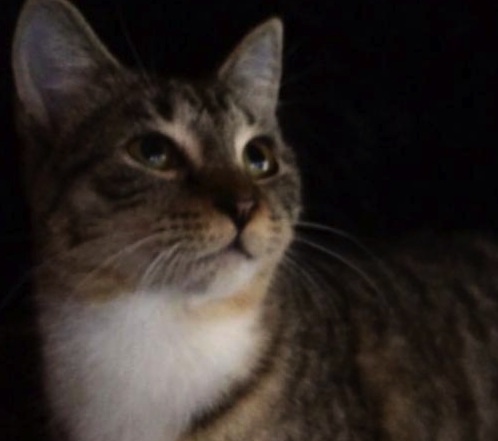 Playful and sweet, Shea is young female white and gray tabby.
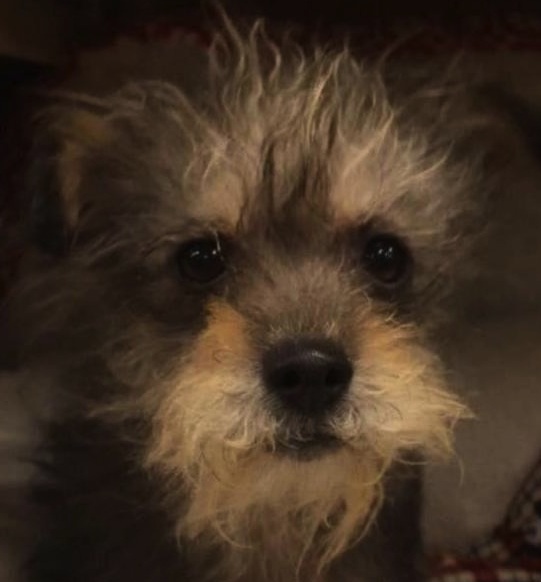 Todd is a schnauzer/Yorkie mix that very loving, laid back and gets along with the pets and all people.
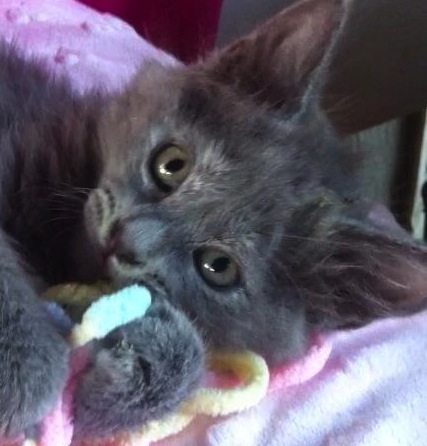 Latoya is a gorgeous, longhaired Russian blue mix kitten.
 Ruby is a 4-year-old dachshund that was surrendered by her owner who cited her new baby’s allergies as the reason for relinquishment.
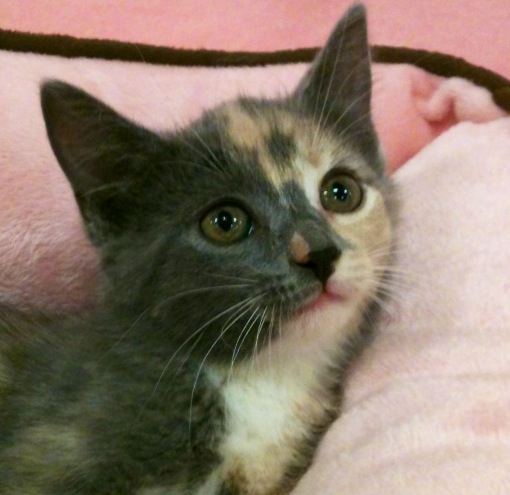 Anel is a 3-month-old dilute tortie. She gets along well with other cats and dogs.
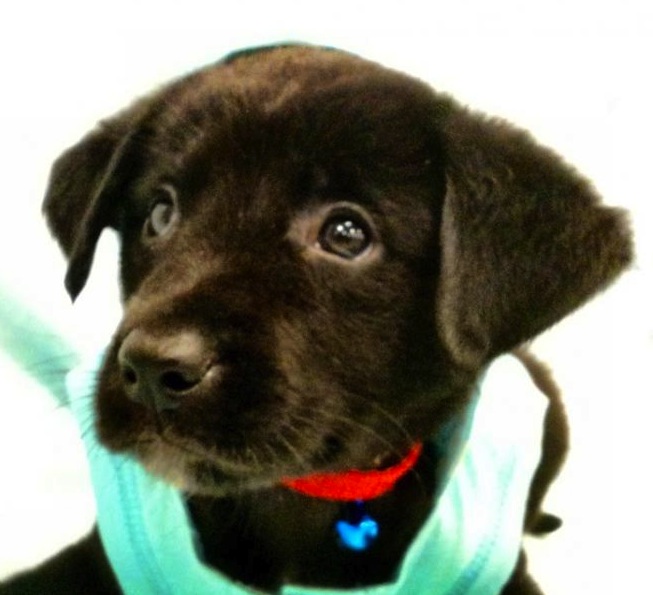 Layla is a 3-month-old lab mix puppy. Like all puppies, she will need a patient owner to teach her how to be a great canine companion. She is very sweet and laid back.
These pets have all been microchipped, vaccinated, spayed/neutered and FeLeuk/FIV tested. Many other adoptable cats, kittens, puppies and dogs are available at the Northside Humane Society. Call 964-6992 for more information.