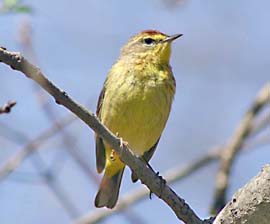
Unleashed: Going the distance to help migrating birds
For some bird species, this time of year marks the midst of the winter migration season. With some birds flying halfway around the world twice a year, migrating is no easy task. In general, flight velocity of birds ranges from 20 to 50 miles per hour. While some species travel within 100- to 450-mile range, the blue-winged teal and other birds fly 3,000 miles from their point of origin.
Yearly migration is high risk. The physical stress of the trip, lack of adequate food supplies along the way, bad weather and increased exposure to predators all add to the hazards of the journey.
In recent years long-distant migrants have been facing a growing threat from communication towers and tall buildings. Many species are attracted to the lights of tall buildings and millions are killed each year in collisions with the structures.
Birds brave these dangers because they are driven by instinct. Those birds that survive the difficult trek do find plentiful food and safe places to nest and raise their young.
In an effort to help humans help migrating backyard birds along their way, the Humane Society of the United States (HSUS) offers the following tips:
Make your backyard bird-friendly
• Prevent window collisions. Place birdfeeders less than three or more than 30 feet from windows. When you leave work—particularly in high-rise building with glass or reflective windows—turn out lights. Close curtains if the lights are on, or add window film to make windows visible to birds.
• Avoid using chemicals on your lawn or gardens.
• Plant native grasses, flowers, bushes and trees.
• Keep cats indoors for their safety and to protect birds.
• Keep your bird feeders and birdbaths clean. Get tips here.
• Don’t disturb birds while they are nesting.
• Leave fledglings alone so their parents can continue caring for them.
Be a bird-friendly consumer
• Opt for shade-grown coffee and chocolate, which grow beneath a forest canopy that shelters birds.
• Choose recycled paper and wood products with the Forest Stewardship Council label.
• Save trees by reducing junk mail you receive. Contact DMAchoice.org to stop unwanted direct mail from being delivered to your home or business.
• Don’t buy wild-caught birds as pets.
Participate in activities that benefit birds
• Go bird watching with friends or family.
• Create a backyard habitat and show others how to do the same.
• Participate in local projects that help birds such as those of the Audubon Society of Baton Rouge.
• Support efforts to restore natural habitat in your area.
• Volunteer for your local bird club or other conservation organization.
• Learn more about bird and habitat protection laws (local, state, and federal).
• Get outside and enjoy nature in your area.
For more tips on turning your backyard into bird-friendly habit, visit www.hsus.org.
If you prefer to help a furry rather than a feathered friend, Rescue Me has a variety of adoptable cats, kittens, dogs and puppies ready for adoption including:
Creature Feature
Halo

A 5-year-old male Maltese. This boy had an owner who loved him dearly. Unfortunately, she lost her job and could no longer afford his care. He gets along well with other dogs and cats and older kids; however, he is not suited for a home with young children.
Uno
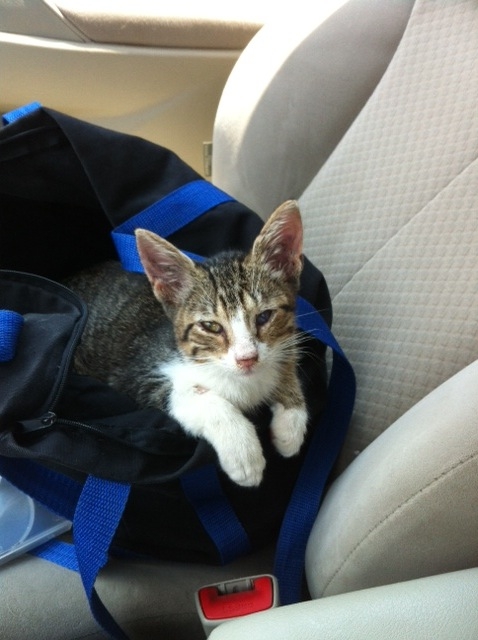
A super sweet male patched tabby. This poor guy wandered up to someone’s house after he was most likely dumped in the neighborhood. When Uno showed up, he had an upper respiratory infection and a scratched cornea that had become infected. This 2-year-old is now recovering nicely in a foster home. Uno is good with dogs, cats and children.
Charlie

A 7-year-old silver tabby. When he’s not busy being a lap cat, this guy loves to chase laser lights, play with paper balls and wrapped hard candy. This social kitty also greets his owner at the door everyday with a cheerful meow. In addition to delighting humans, Charlie also does well with other cats.
Sasha

A 7-year-old Rottweiler/Great Dane mix. Weighing in at more than 85 pounds, this jumbo-sized girl loves people and is good with other dogs.
Little Fritter

A 2-year-old male lab mix. When he was found, Fritter had a badly injured and infected right rear leg. The nature of the injury suggests he had been attacked by another dog. After a month and half of intensive care, antibiotics and twice daily hydrotherapy, Fritter’s leg is now healed. Despite his injury, Fritter does well with other dogs and—true to his breed—remains energetic and playful.
Rummy

A 5-year-old male orange tabby. This great guy landed in rescue when his family moved and left him behind. Nonetheless, he will be a wonderful addition to any home since he gets along with other cats, dogs and children.
All these pets have been spayed/neutered and vaccinated and litterbox trained. Many other adoptable dogs, puppies, cats and kittens are available from Rescue Me Animal Welfare Society. For more information, click here.