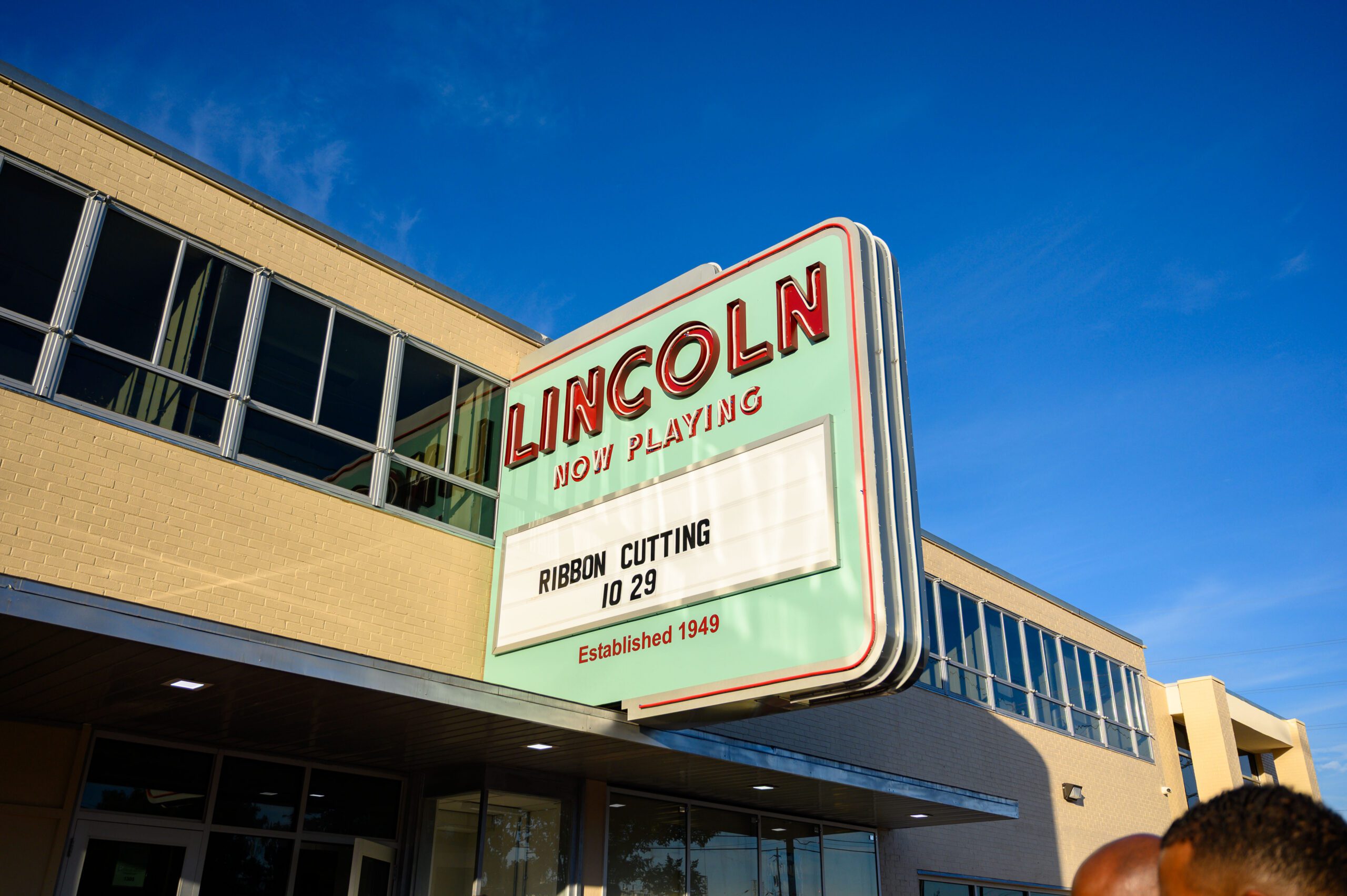
Restored Lincoln Theater is nearly ready to welcome guests to its historic spaces
This cultural hub is gearing up for an encore 🎟️⭐
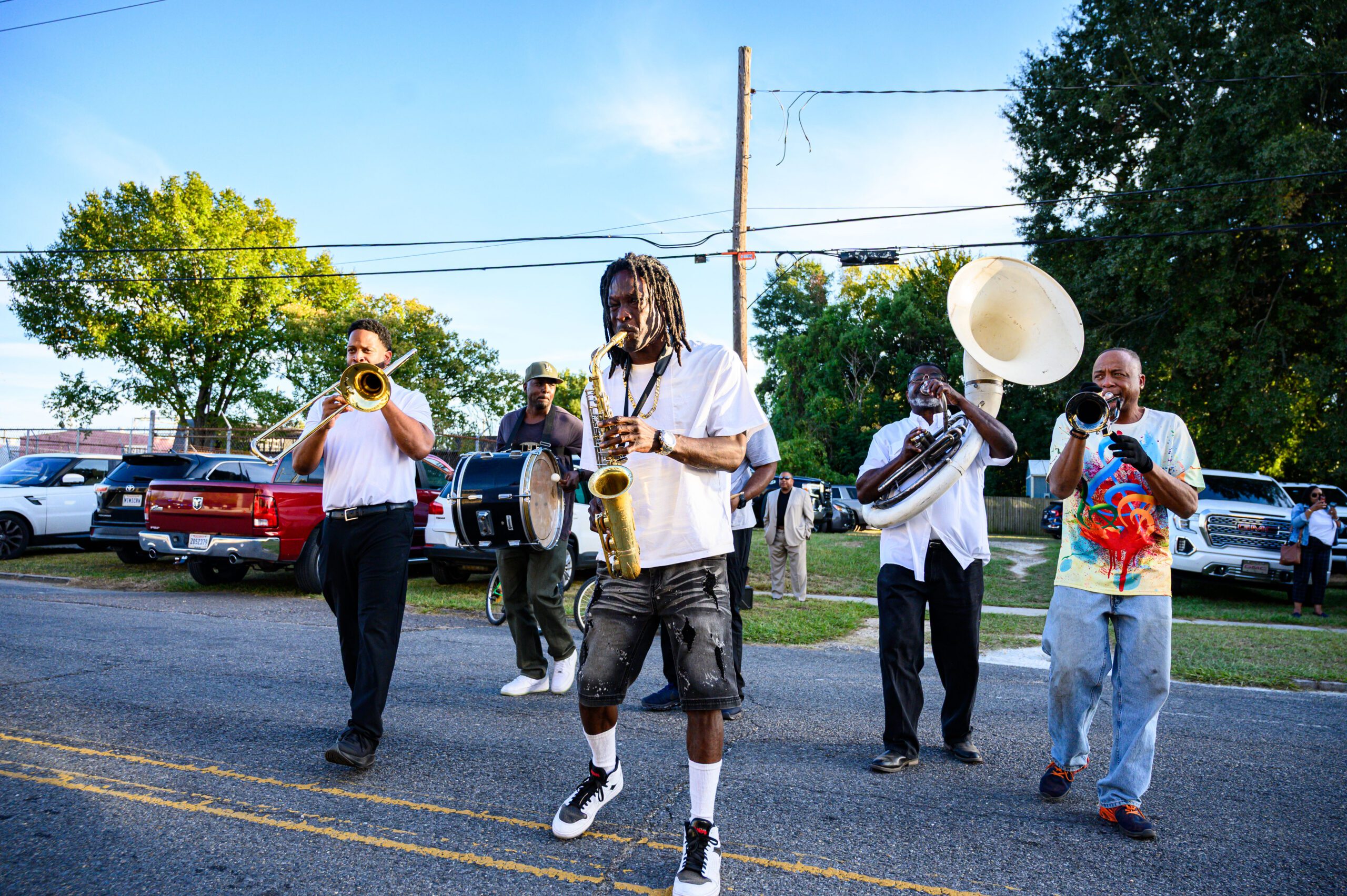
Before they rounded the corner of Myrtle Walk, hundreds of attendees heard the brass band first, booming in anticipation of the Lincoln Theater’s long-awaited ribbon cutting.
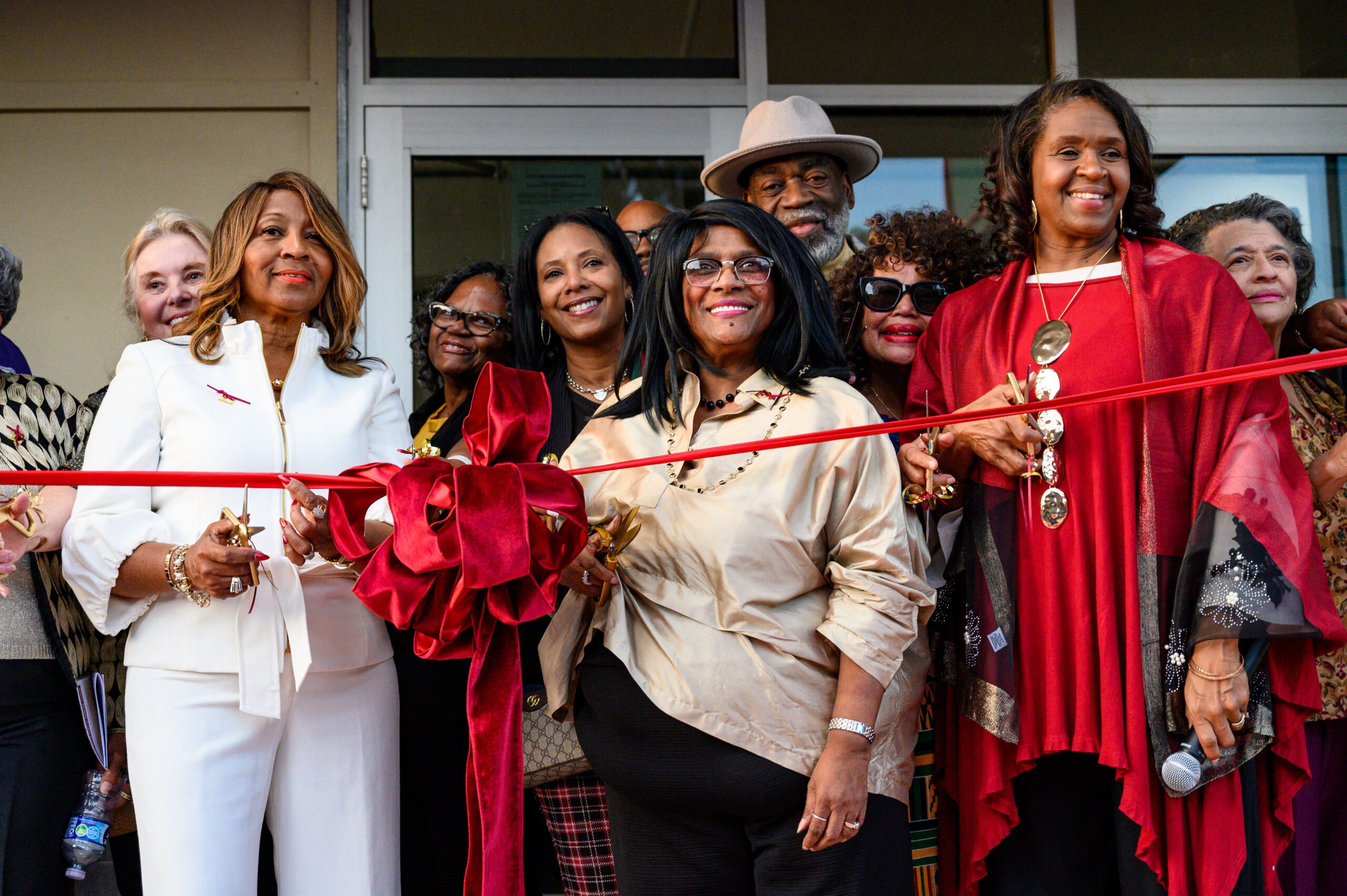
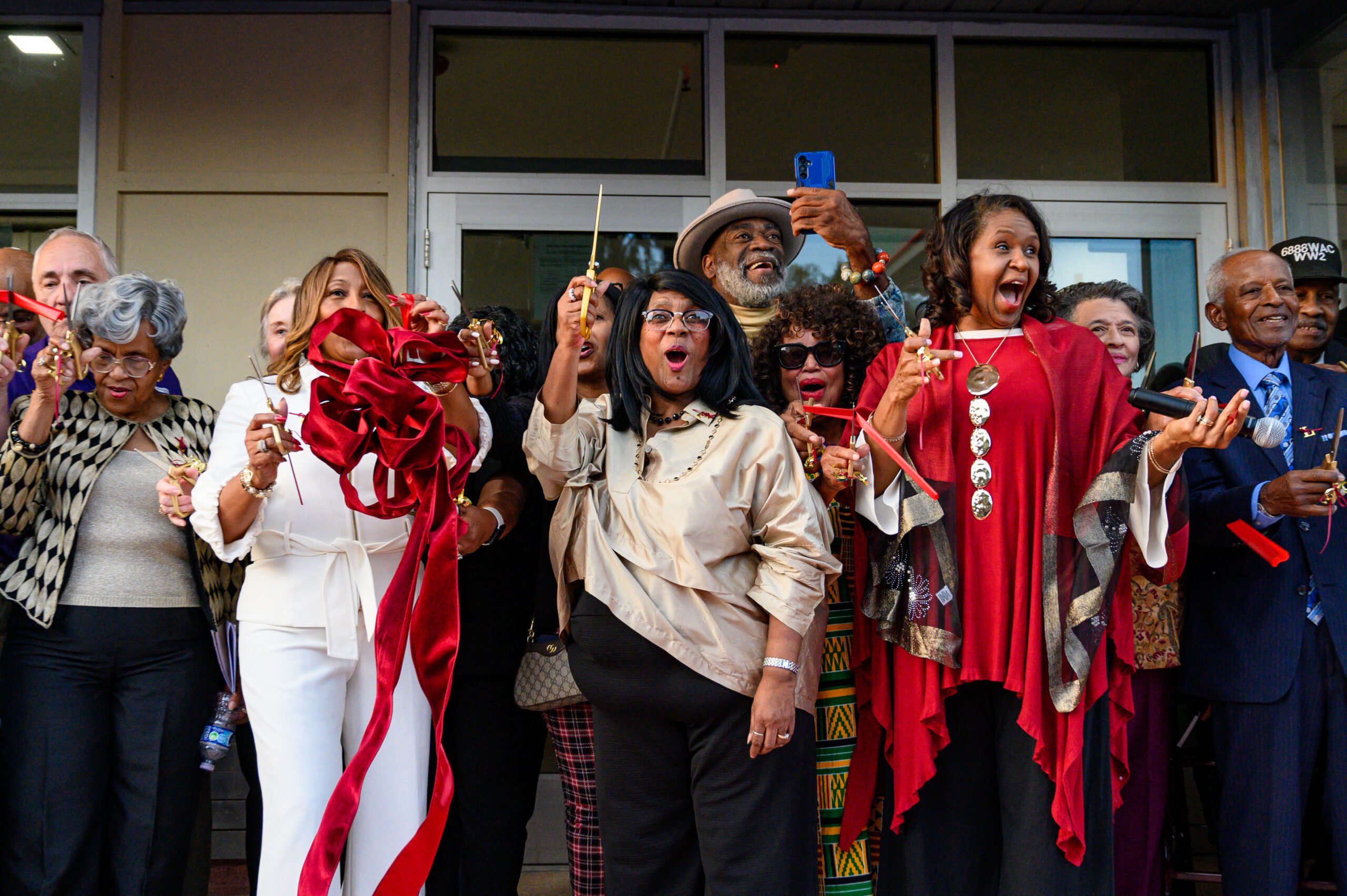
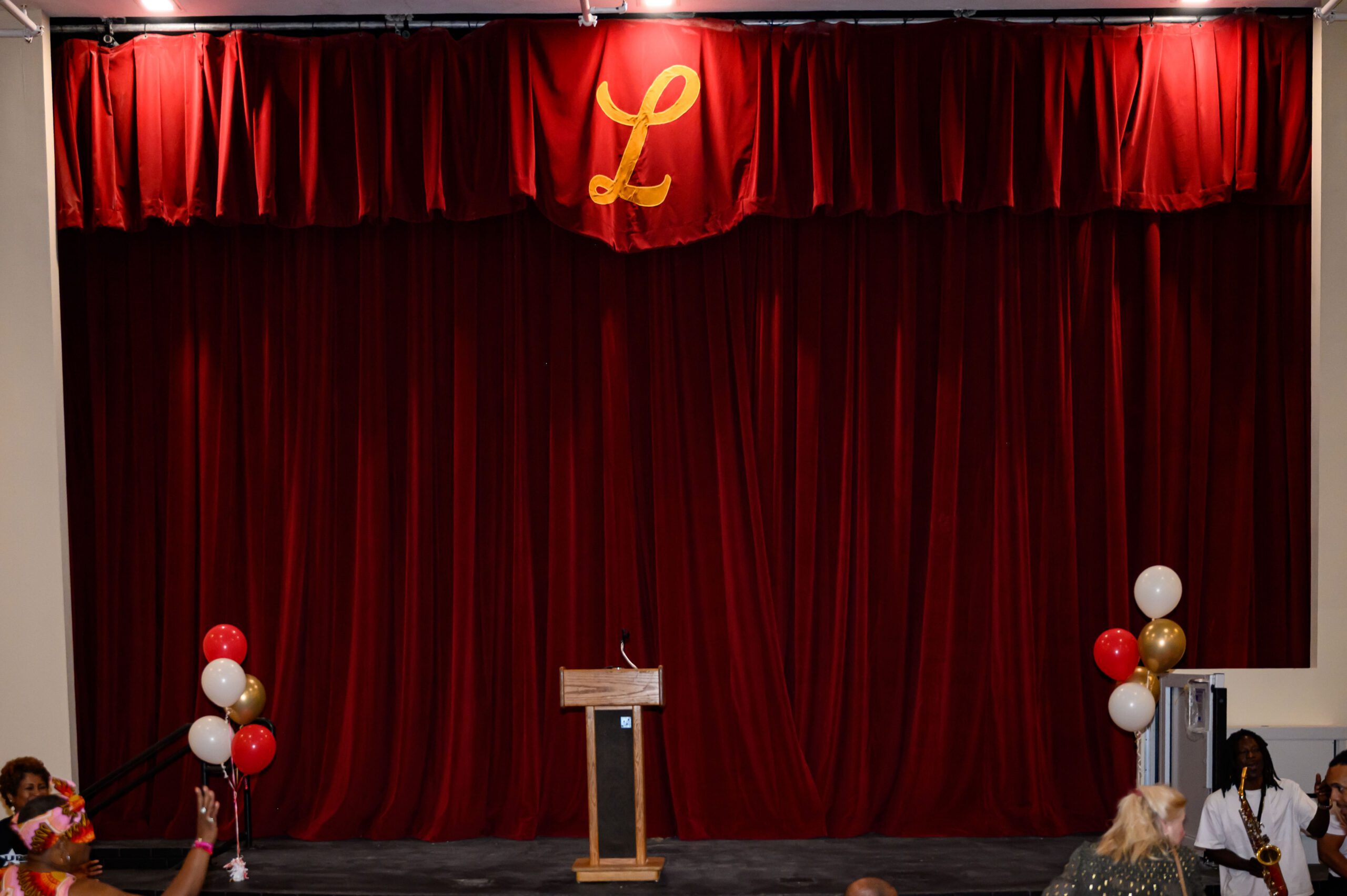
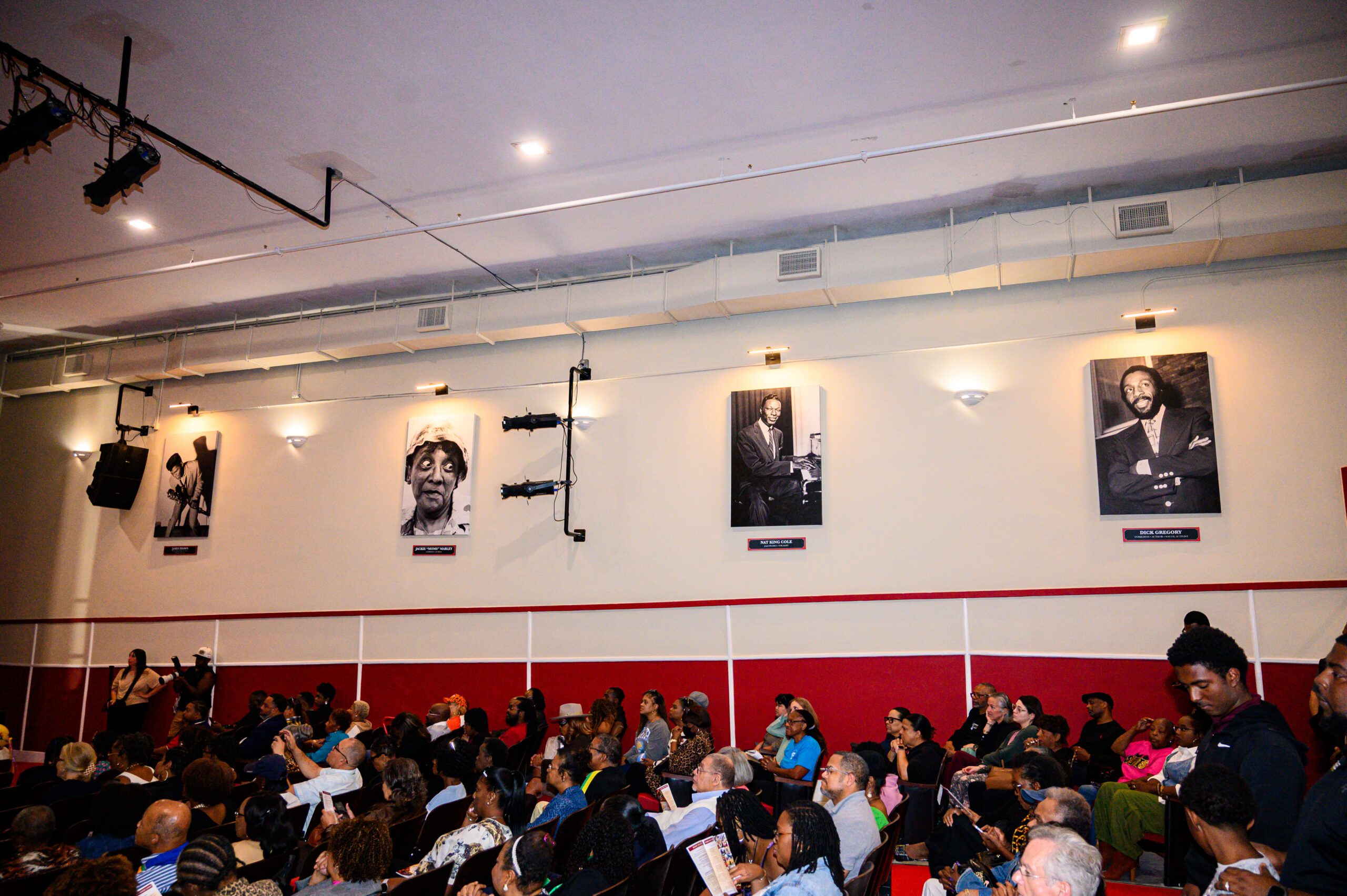
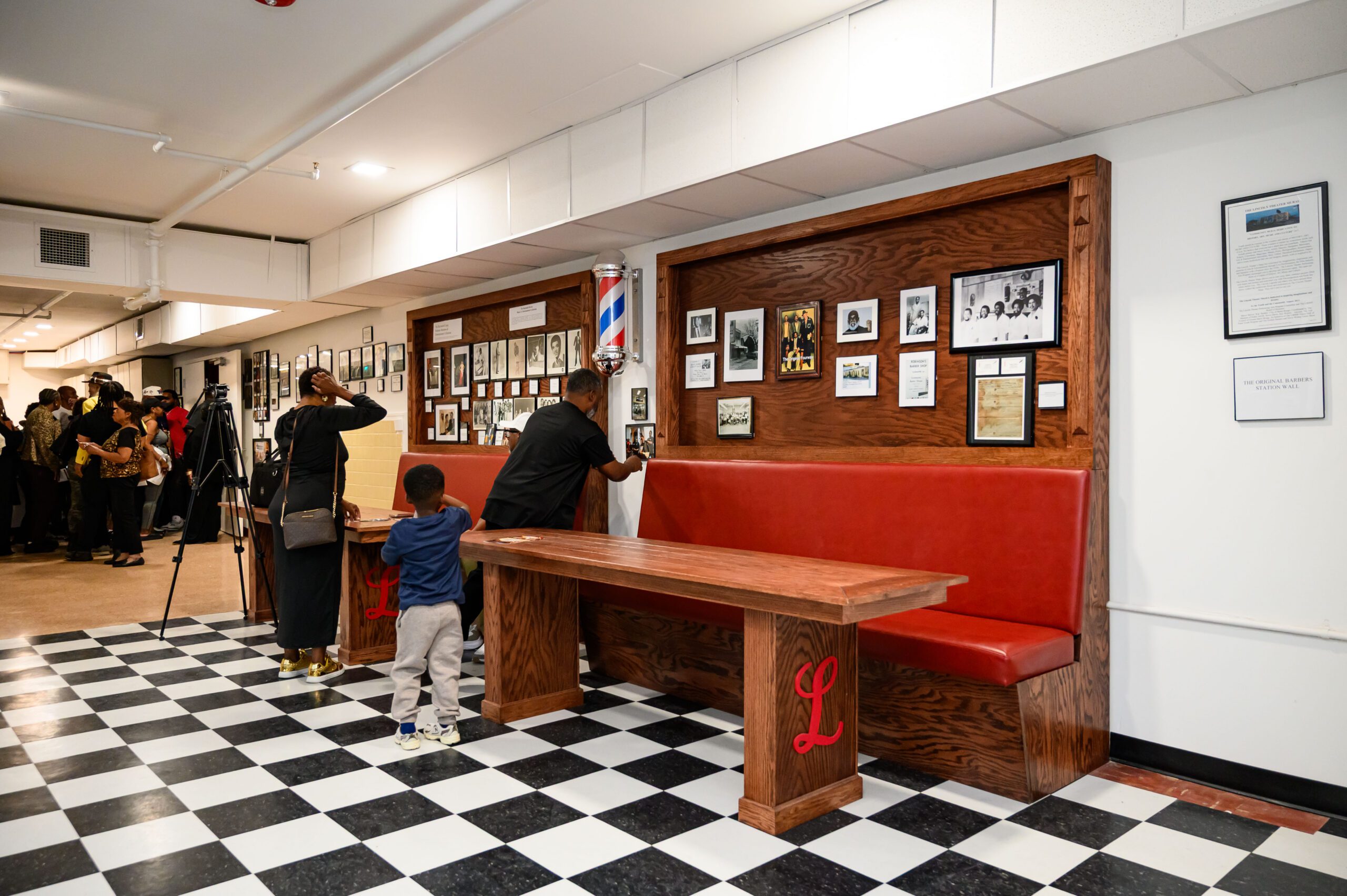
On Oct. 29, the historic building held an open house to showcase the results of a years-long restoration project that includes historically accurate cherry red carpet and auditorium seats, crisp black-and-white photographs of the stars who once performed here, and a new cultural center with exhibits on Baton Rouge’s Black leaders and civil rights history.
“This beautiful restoration of the Lincoln stands as proof of what can happen when people come together with a common purpose,” board chair Evelyn Dumas told the crowd. “This day is a testimony of the power of unity.”
Organizers are still raising money to restore 200 balcony seats and for operating costs to support continued programming. Barring that, the building is ready for live theater performances, which will soon be staged by the established arts organization UpStage Theatre. It’s possible that audiences will be able to see UpStage’s performance of Mahalia: A Gospel Musical before the end of the year, organizers hinted. The Lincoln will also soon be able to host special events and long-anticipated youth educational workshops on topics like podcasting and video game development.
Dumas was one of numerous community members who spoke emotionally about the Lincoln’s social significance and the determination of a core group of volunteers who pressed on despite numerous hurdles and delays.
The building was founded in 1949 by a prominent South Baton Rouge Black physician named Aristotle Chapman, who saw the Lincoln as a place where the community could gather. It became a hub for entertainment throughout the Jim Crow period, hosting Otis Redding, Lionel Hampton, Louis Armstrong, Nat King Cole and other national performers. It was also a popular cinema frequented by neighborhood families.
“This is where I grew up. There were three buildings in South Baton Rouge that I will never forget, one being the Lincoln Theater,” said Congressman Cleo Fields. “This is where I would come and see the Bruce Lee movies.”
The complex also housed a barber shop and offices where civil rights leaders met. It was the site of planning for Baton Rouge’s 1953 bus boycott, which Martin Luther King Jr. would use as a model for the Montgomery Bus Boycott. King met with civil rights leaders at the Lincoln.
Two of Chapman’s grandsons, who live out of town, spoke about their grandfather’s legacy as a leader of then-thriving South Baton Rouge, a neighborhood that produced numerous successful Black professionals but that later suffered from numerous challenges, including the erection of the interstate, disinvestment and crime.
Community activist and founder of the Louisiana Black History Hall of Fame (LBHHF) Brenda Perry Dunn is credited with spearheading the Lincoln’s restoration and continuing to keep the dream of its restoration alive, even as the project dragged on. It began in 2009 when the nonprofit LBHHF purchased the building with $345,000 from the Louisiana Legislature. The Foundation for Historical Louisiana, which had placed the building on its “Treasures in Trouble” list, donated the closing costs.
The grassroots organization then raised about $5 million in public and private funding to tackle a multitude of projects including roof replacement, mold and asbestos remediation, replacing seats, windows and carpeting, major plumbing work and the creation of a new adjacent museum and cultural center.

Southern University engineering professor and project engineer Morgan Watson, one of the first African American engineers to work on the NASA Apollo 11 mission to send the first man to the moon, told attendees about some of the Lincoln restoration’s early challenges.
“All of the copper wire had been stolen. All of the metal had been stolen. The air conditioning system in the basement was vandalized. All the windows were broken out of the building. The marquee was in disrepair,” he said. “But we were able to pull together and permit it. Our dream was to open the Lincoln as it was.”
Indeed, the look of the Lincoln holds true to its original design, complete with replica stage curtains, a concession stand in the same location and a restored marquee that will soon announce a new era of shows and events.