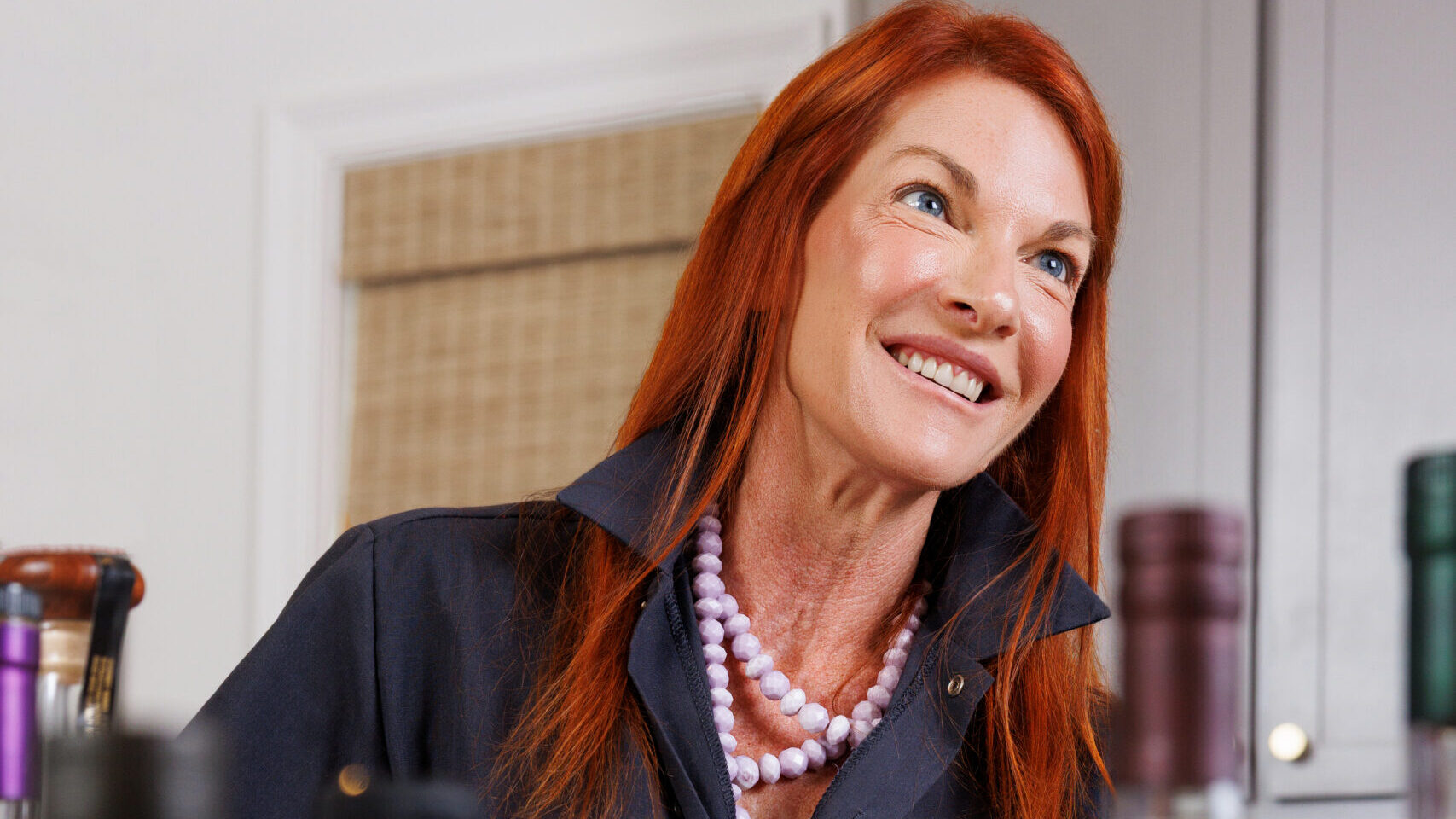
Britt Kulsveen is staying true to her family’s almost century-old company
When Britt Kulsveen graduated from high school, she vowed never to return to her small Kentucky hometown. Unlike most of her classmates, she set her sights on an out-of-state college experience in the Deep South, which led her to Baton Rouge to study political science at LSU.
She remained in Louisiana until 2005, when she was blown back to Bardstown, Kentucky, by Hurricane Katrina. Spending more time at home meant spending more time around her family’s business, Willett Distillery.
Some of Kulsveen’s earliest childhood memories revolved around Willett, the now 90-year-old spirits business that has been a constant in her family. Sights and smells—and even tastes—of the operation were ingrained into her memory.
“One of the things I love about bourbon is it’s a fully engaged sensory experience,” she says. And my childhood, if I could describe it in a scent, is machine oil and bourbon. That’s what it smells like when you walk into a bottling house. … At our family Thanksgivings, our grandmother made yeast rolls from scratch. My job was to make the icing, which was Old Bardstown—our grandfather’s flagship bourbon—and powdered sugar. I would always eat the first bowl of icing, and then the second one I would use to drizzle on the rolls.”
To Kulsveen, this was the family’s way of life. But though she was immersed in Willett Distillery from an early age, she says it never occurred to her to get involved with the brand. If anything, she thought of getting in on the distribution side of things, but once she was back in Bardstown, plans shifted.
Now, Kulsveen serves as the brand’s president and CWO—that’s Chief Whiskey Officer. In these roles, she’s able to cultivate the culture and human development side of the business, while her brother Drew works as master distiller. Kulsveen says she sees Willett as being in the business of hospitality, adding that the brand has a “ferocious” level of care in all parts of the operation, which is clear in everything she and her team do.
“I think the greatest gift is when you’re able to live a life where your passion meets your purpose,” she says. “That is truly the greatest gift, and we get to do that every single day.”
And while Bardstown is home, she’s still calling Baton Rouge, too. Kulsveen has a residence in the Capital City and is here often. While in town, she says she still conducts business as usual.
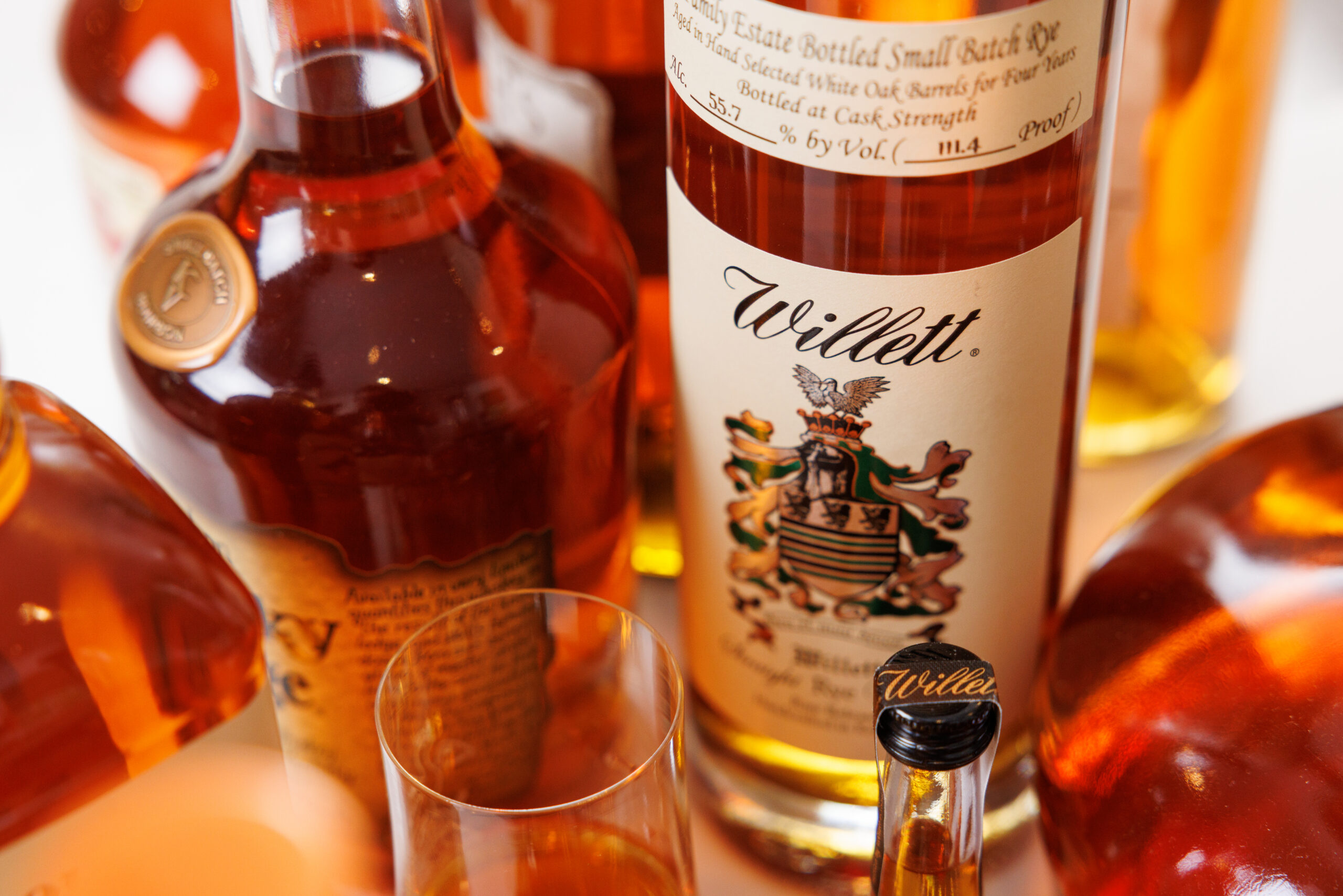
“One thing that I love so much about Baton Rouge is that everyone is always celebrating something every day, and you don’t need a special occasion to break out a nice bottle of whiskey or a bottle of Champagne,” she says.
The cupboard of Kulsveen’s Baton Rouge home holds an impressive collection of spirits, mostly brown liquors in ornate bottles like the Pot Still Reserve held in a vessel in the shape of Willett’s copper pot still. Others have labels that display the family crest or her father’s own drawings and handwriting.
“Our advantage is that we are still so undiscovered, and because of that, regardless of whatever the current climate is, there is so much growth and opportunity out there,” Kulsveen says of Willett.
And while times have changed since she first started with Willett, she recalls a time when it felt like there were no women in the industry.
“I remember I was very alarmingly aware when I went to Whiskey Fest New York in 2007,” she says. “At the time, when you saw women at the table, they were these beautiful women who were hired to pour, but they were never hired to speak about what they were pouring. And so whenever people would come over to our table and someone would say, ‘Oh, well, tell me about this, tell me about that,’ my brother would look over at me, and they would just be kind of dumbfounded.”
Within Willett, she estimates almost every leadership position, except for a few, is held by a woman. In some ways, she feels that makes Willett an anomaly, but Kulsveen says she believes in hiring those who are most qualified for the job and in line with the family values.
“I have never once in my life felt at a disadvantage,” she says of being a woman in her role. “My favorite game in the world is to be underestimated. So I think that is an advantage to be underestimated because you’re almost always going to blow someone’s mind and their expectations, which I love to do.”
This article was originally published in the October 2026 issue of 225 Magazine.