LSU student journalists’ stories reach publications across the state
The Manship School News Service works to fill the gap in local news coverage 📰📓
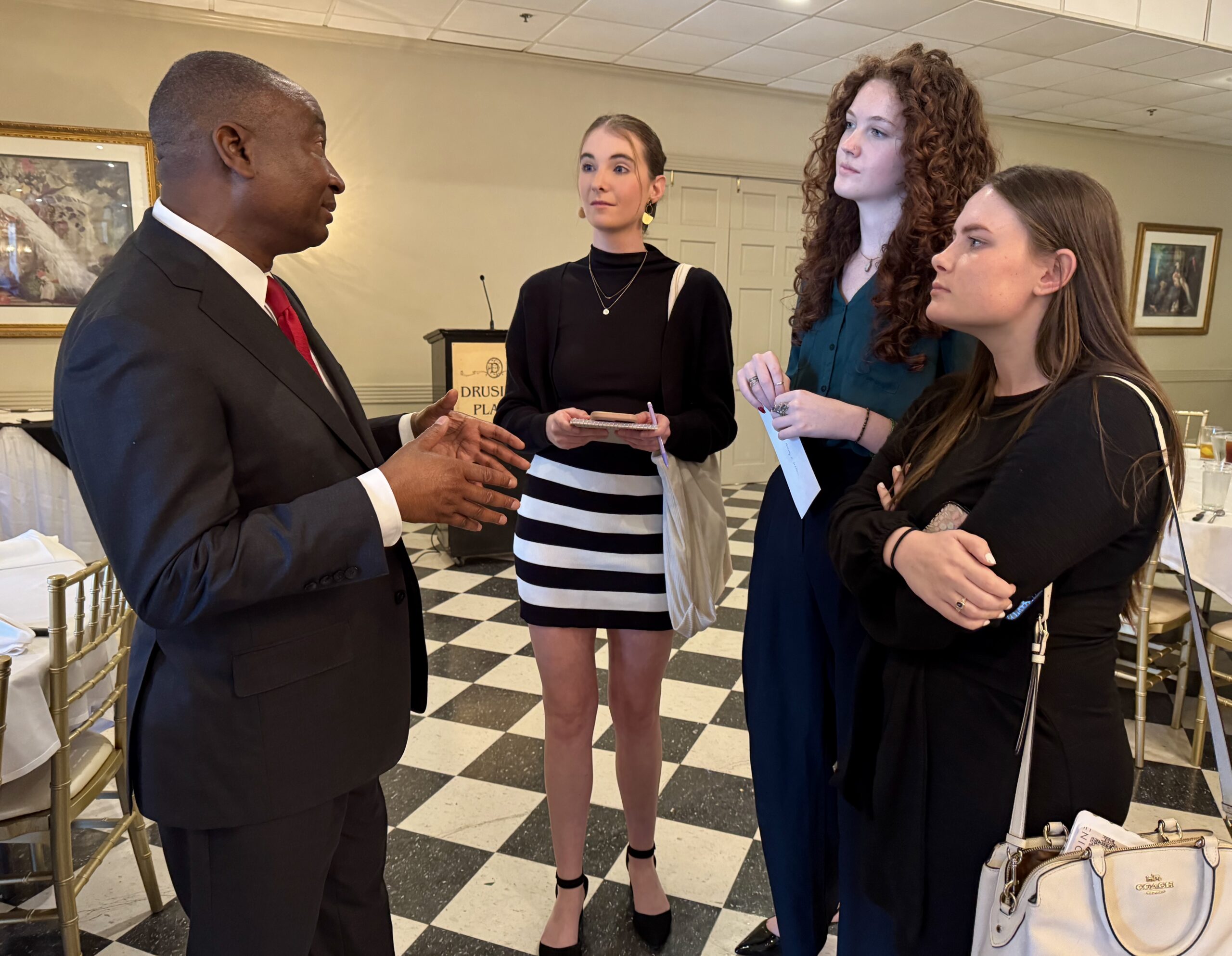
If you walk into the Louisiana State Capitol during a legislative session, you can expect to find LSU students from Manship School’s Statehouse Bureau interviewing legislators, taking notes at hearings and staying up all night to wait for a vote.
This effort isn’t just for class credit. The students’ stories get published in over 100 news outlets across the state.
Manship School’s Statehouse Bureau was created in 2016 by former professor James “Jay” Shelledy and was taken over by its current director, Christopher Drew, in 2018. The program originated when Shelledy noticed a decline in the number of local reporters covering legislative sessions. Recognizing both a challenge and an opportunity, he saw this program as a way to address the gap while giving students real-world experience.
“The idea was just that we had all these great journalism students right here in the capital, and newspapers were cutting back on their coverage of state legislatures,” Drew says. “Other than The Picayune, Gannett, and now The Illuminator, there really isn’t any sustained coverage.”
The Statehouse Bureau is a class offered in the spring semesters, following a course on public affairs reporting. Once the legislative session begins, the class covers issues raised in the agendas, as well as its own feature story topics.
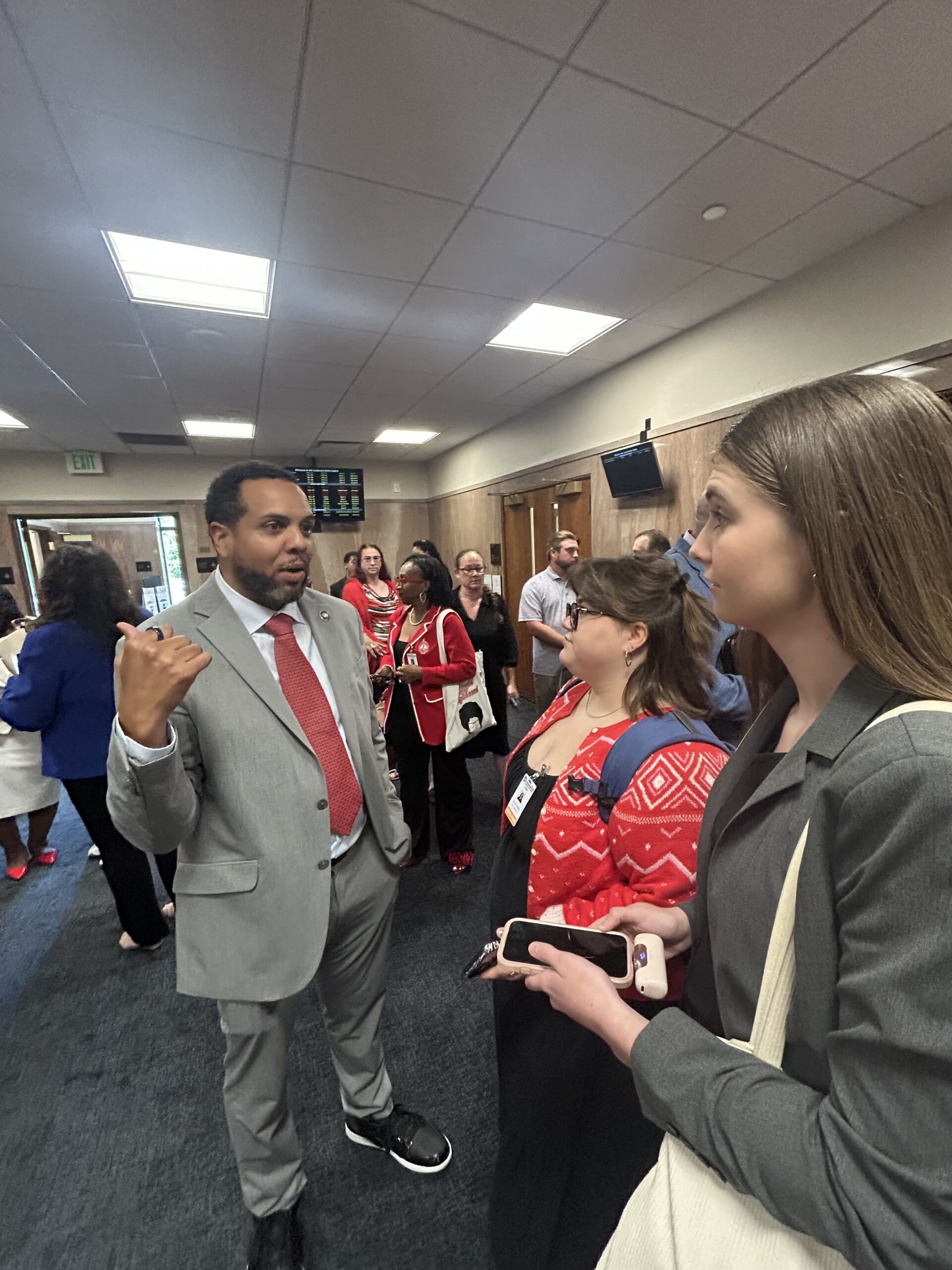
After receiving an assignment, students head to the Capitol to speak with legislators and attend floor votes and hearings. Once their stories are complete, Drew—a former New York Times investigative reporter—edits the work and sends it out for free through the Manship School News Service.
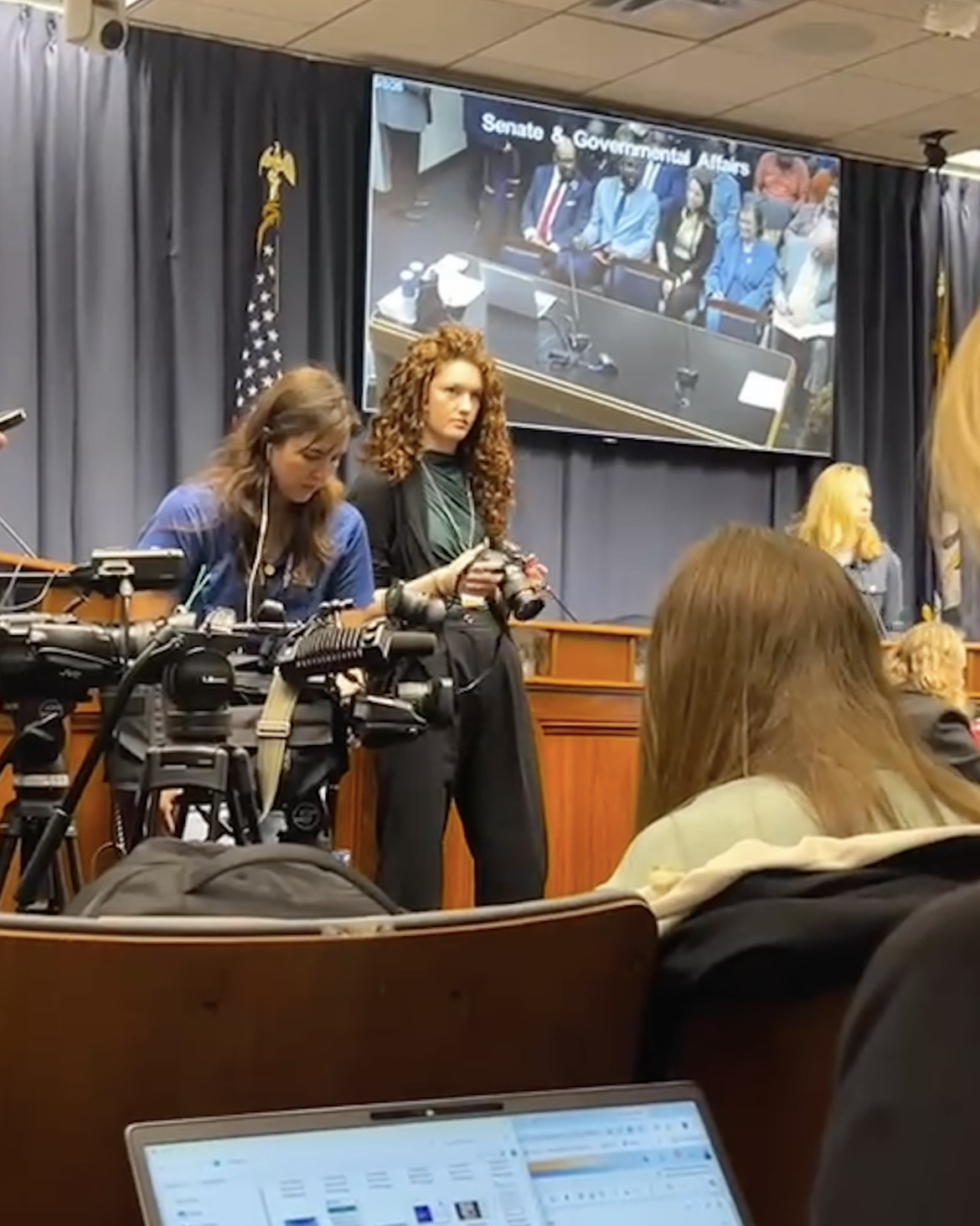
Drew says the program provides an experience that students would not get in a classroom. By encouraging student journalists to go to the Capitol and get involved in the legislative process, the program gives them hands-on experience they can take into their future careers.
One example of this hands-on learning occurred in the Spring 2026 course. During the session, a Supreme Court ruling determined that Louisiana lawmakers must redraw its congressional districts. The committee hearing and vote lasted until 4:30 a.m., and three students stayed at the Capitol all night to publish the story before 5 a.m.
The unique type of coverage is not the only thing the program provides to students. Drew says working under an editor with a 40-year career forces students to be meticulous with their reporting.
“I think students who want to be journalists learn it best by actually doing stories for publication where you have to be extremely accurate,” Drew says. “You have to be fair, and you’re not just being edited by another student like in student media.”
Students also learn to innovate and adapt to today’s digital-first journalism landscape. For example, in the 2026 course, students started Facebook, Instagram and TikTok accounts and began sharing their stories online. Some videos received thousands of views, and Drew applauded the students for presenting the news to a new, younger audience.
The Statehouse Bureau is only one of the programs in the Manship School News Service. Responding to requests from publications for more stories beyond legislative coverage, Drew developed two additional services: one that sends out stories from an in-depth reporting class and another from a cold case class.
Now, thanks to grant funding, Manship School has a new program that offers students at seven Louisiana universities hourly pay to cover news in their communities. This latest initiative, Drew says, fits into the news service’s overall mission to help local publications and provide news to the public.
“You’ve got all these news sites—some of them have been in families for generations, and they’re struggling to keep serving their communities,” he says. “So whether it’s the statehouse, the cold cases, the in-depth reporting class or the community journalism program with the other universities, we’re trying to do as much as we can to fill the gap.”
Drew says that Manship’s News Services benefit students, readers, news sites and universities. It’s what he calls a “win-win-win-win” situation.