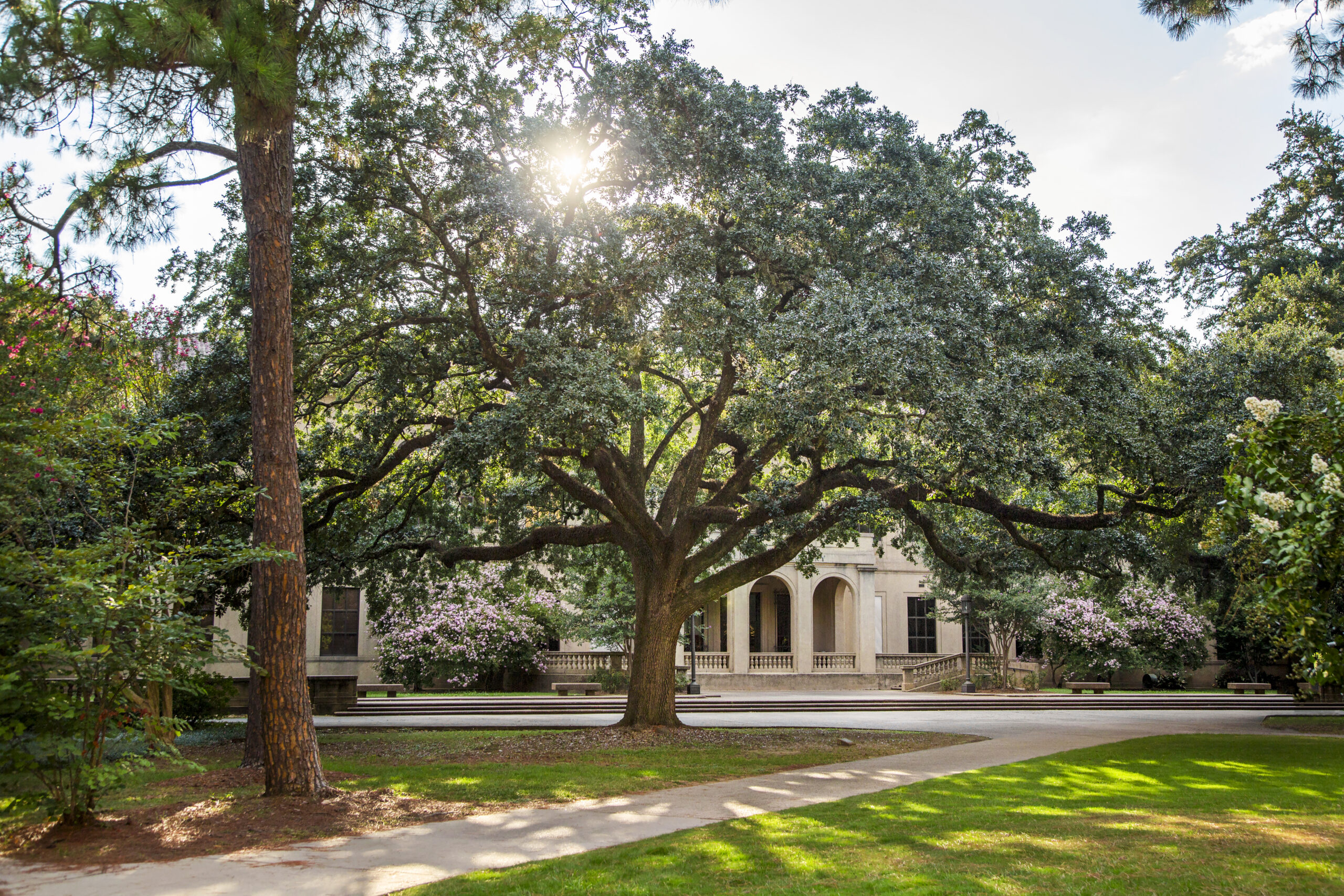
From centuries-old manuscripts to relics of Louisiana history, discover what makes LSU’s Hill Memorial Library unique
Discover Hill's hidden gems 📚📜
On a sunny day in June, LSU is pretty much desolate. Students are long gone, enjoying break, besides a few summer session takers. But in the heart of campus, one spot is particularly active.
LSU’s Hill Memorial Library is alive with a packed reading room where researchers, students, and professors from other universities are poring through archival scrapbooks, manuscripts and microfilm.
“Summer actually happens to be our busy time of the year,” university archivist Zach Tompkins says. “About 50% of the patrons who come and visit us, in a research capacity, are not affiliated with LSU at all. There are a lot of Ph.D. students and research faculty from other universities. We even get visitors from all over the world.”
The university’s original main library, Hill is home to its Special Collections, a bursting assortment of materials ranging from university archives and rare books to parish newspapers and items that document the history of Louisiana and the Lower Mississippi Valley.
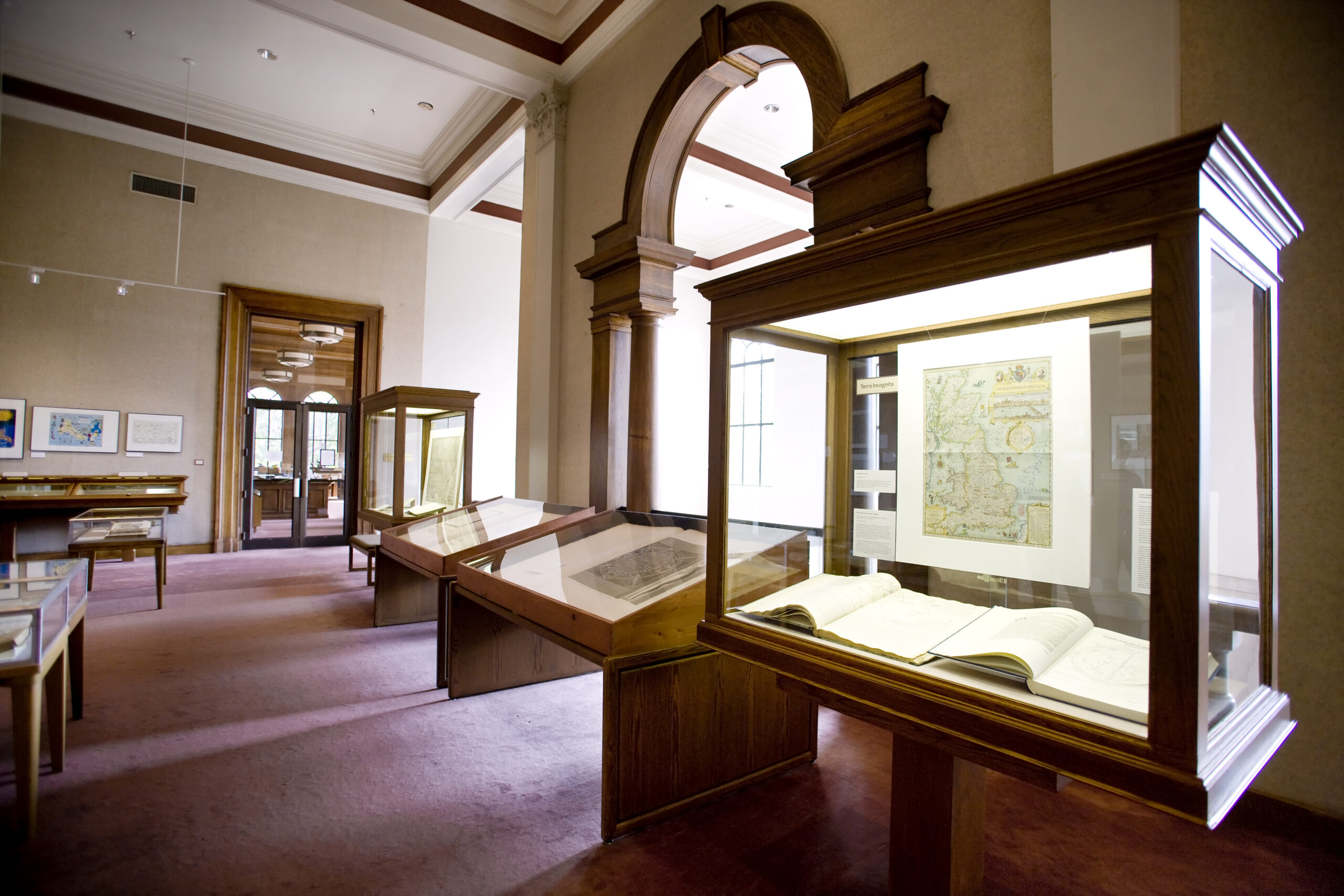
With more than 10 million manuscript items, over 200,000 volumes of published works, hundreds of oral histories and other forms of research materials, there’s plenty to explore. But don’t call it a museum. Here you won’t find items held behind glass for viewing, save for a few interesting displays curated by staff. Unlike a museum, the library encourages touching, feeling and immersing oneself in the materials.
Behind the massive—and still growing—collection is a group of employees who are just as inquisitive and interested in its materials as those visitors who are nose deep in research on the reading room floor.
“One of the cool things about Hill is that everybody comes from a much different kind of background,” Tompkins says. “We’re a large staff, so not everybody came to us through a tried-and-true library path. We have creative writers. We’ve got archaeologists and anthropologists. You can lean into the strengths from those disciplines in various aspects of this work, and I think we’re a better institution because of that.”
To keep up a collection as massive as the one kept at Hill, it takes a lot to acquire, process, digitize, repair and maintain items. Things don’t just enter collections, get filed on shelves and await the next scholar who requests it from the stacks. Instead, items visit a slew of departments at the library.
Once acquired, pieces go through archival processing so the collections can take ownership of them. Items are arranged, described and cataloged and get a finding aid to be research ready.
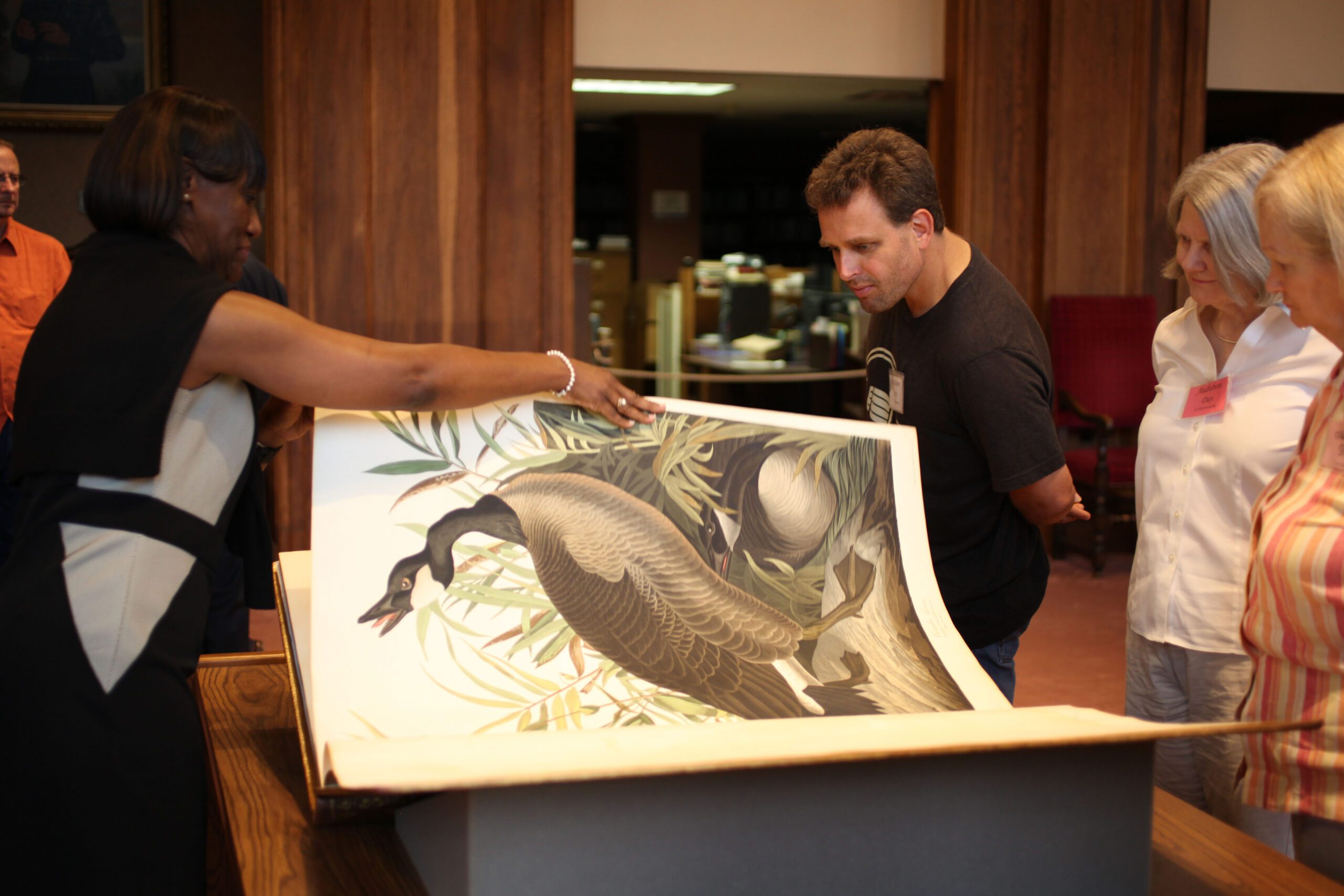
Another stop is the Conservation Lab, where staff determine what tweaks are needed to ensure longevity in the stacks. Everything from repairs to building specially made enclosures to house materials takes place in this lab, headed by conservation coordinator Caroline Ziegler, who says she has worked on items of all sizes, from a miniature book to a massive six-panel map.
“A lot of archives don’t have this functionality or this kind of a space,” Tompkins says. “We’re poised really well to take older, fragile things.”
Just around the corner from the conservation efforts is the Digitization Lab, a dark room where newspapers, manuscripts and other documents go to be turned into files that are more accessible. Those digital assets are monitored to maintain, preserve and protect them. The lab also digitizes newspapers from all of Louisiana’s parishes; tables here are covered with paper copies and clothing irons ready to smooth out creases.
“LSU Libraries has a mandate from the state to preserve the newspaper record for each parish, which we’ve been doing since the ’30s,” head of digital programs and services Elisa Naquin says.
But this section of Hill isn’t exclusively dedicated to items in the Special Collections–it also manages the Louisiana Digital Library, which holds over 400,000 digital items collected from 32 contributors including universities, libraries, museums and foundations. LSU Libraries is the largest contributor of collections for the LDL, and it provides the software for any institution in the state to use the LDL for free.
So where does Hill’s physical collection reside? Most is kept safe behind two locked doors, neatly stored in temperature-controlled stacks. Dimly lit because light damages paper over time and protected by a halon system instead of sprinklers in the case of fire, these sprawling shelves hold everything from disks of movies and TV shows that document Louisiana and vintage Gumbo Yearbooks to genealogical resources and even old copies of 225 Magazine. And when the university is closed due to weather or holidays, staff members still come to campus to take a peek into the stacks and ensure that everything is shipshape.
And there is always more to add to these already packed stacks. Items are either given to the Special Collections by previous owners or donated funds are used to purchase materials, says curator of books and head of instruction John Miles. Other resources for acquiring new items include an established fund and occasional grants.
“We collect in specific areas,” Miles adds. “And the tension is always between kind of shoring up our strengths and expanding our scope.”
There are also treasures that can’t be housed on shelves. Hill is home to the T. Harry Williams Center for Oral History, which supplies researchers with audio interviews and transcriptions that aim to fill the gaps of other primary sources in the collection.
“Our mission is to document and preserve first-person narratives about Louisiana culture and history that are found in people’s heads and no place else,” Jennifer Abraham Cramer, the center’s director, says. “Anybody who’s got a Louisiana story to tell, we are very into making sure that those stories are preserved.”
With its wide variety of topics and media, it’s hard to believe that the Special Collections were once exclusively for professional researchers, but associate dean for Special Collections and technology Gina Costello says it’s true. Now, Hill and its holdings are more accessible to all. Scholars, curious walk-ins and students looking for a place to study are all invited to come in and inquire about materials.
“When people walk in and say ‘What’s here for me?’ we want to have an answer, like ‘Yeah, we’ve got a place you can study. We have a place you can do research. We have events. We have an exhibit you can look at,’” associate dean for Special Collections and technology Gina Costello says.
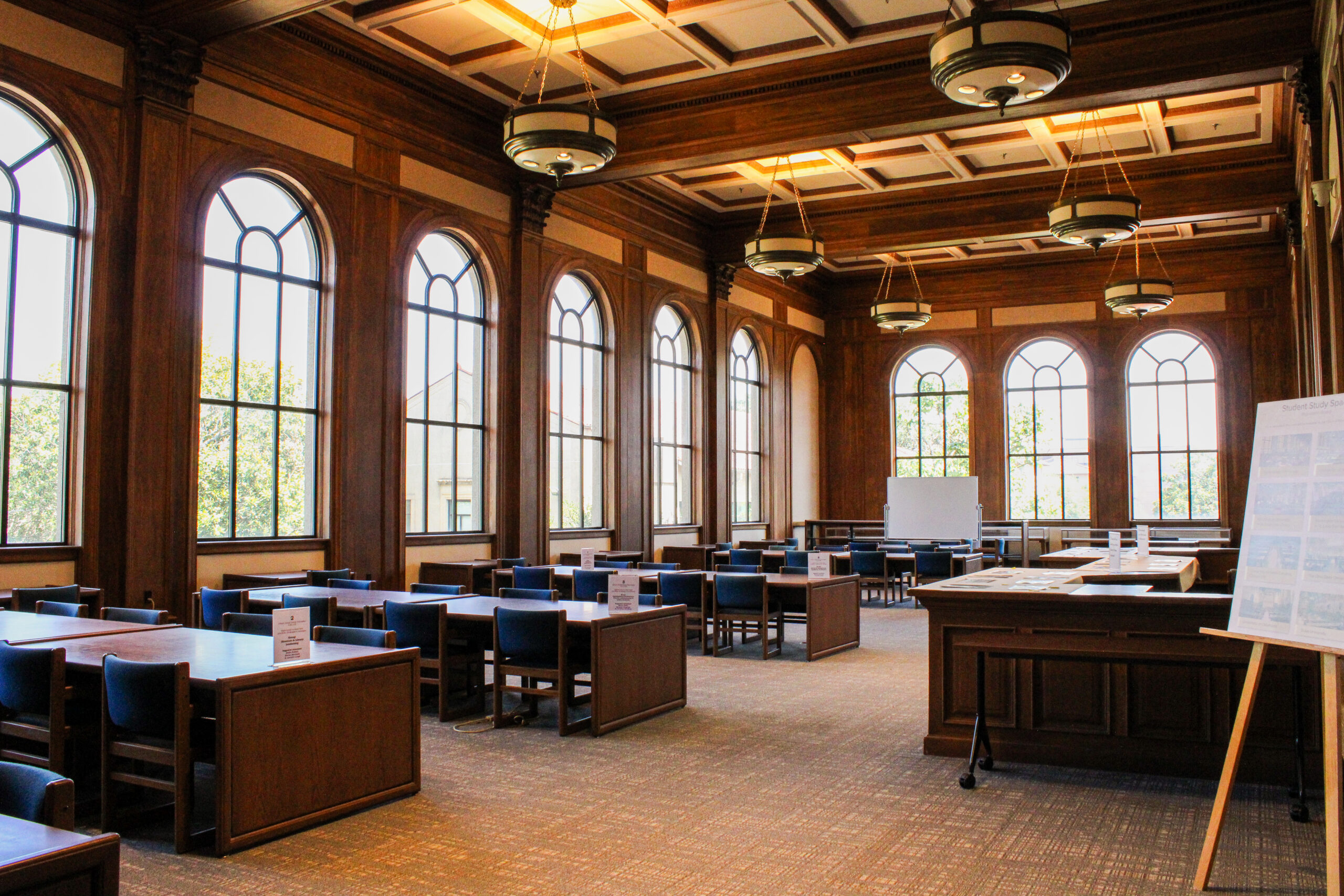
As Hill is perched in a prominent spot on campus, it only makes sense that many of its resources are utilized by the student body. One slightly newer element of this century-old building is its Quiet Study room, an area reintroduced to students in 2023. Library employees say students take the “quiet” very seriously, sometimes even shushing staffers whose chatter cuts into their noise-free time.
“This building in particular was modeled after the Boston Public Library, which was the first public library of its kind,” Tompkins says. “So it’s meant to evoke all of that sort of sense of academia and intellectualism. Some students find it intimidating, but others say that [the Quiet Study] is an inspiring space.”
Across from this study space is another area that sees a lot of students: the McIlhenny Room. Here, classes visit to see a curated selection of items from the Special Collections that pertain to the material they are learning in their courses. Each semester, professors reach out to Hill with visit requests, and the library’s team pull small lots of items for on-
campus field trips with a hands-on learning experience.
“Most of our teaching is in this space,” Miles says. “We did [about] 170 classes last year, so around 100 in the fall, and usually 70 in the spring—about 3,000-ish students.”
Over the years, LSU’s Hill Memorial Library has lived many lives and expanded its collections, creating a spot in Baton Rouge where researchers flock. It has served as the campus’s main library. It held architecture classes during a time when it wasn’t part of the library system. It has undergone massive renovations. And it has even served as a backdrop for scenes in the movie Pitch Perfect.
As Costello explains, “We’re all really invested in just sharing this with as wide an audience as possible.”
This article was originally published in the August 2026 issue of 225 Magazine.