Local experts explain the science behind why being in nature is good for both physical and mental health
Nestled at the top of a 30-foot hill on Highland Road sits a sanctuary of nature where trees tower tall and shrubs cover the ground. LSU Hilltop Arboretum stretches across 14 acres and is a harmonious showcase of Louisiana’s natural landscape.
I spent an evening exploring the grounds, following the pathways until gravel gave way to grass and grass slid off into dirt and mud. As the birds chirped, I read the placards denoting the tree names and flirted with a butterfly fluttering around some bright red blooms.
“In short, the plan was an invitation to stop for a little while and marvel at nature’s beauty.”
That was my goal during my visit, and it was Emory Smith’s goal, too, when he first began curating the property. He wrote all about it in his autobiography Hilltop: My Story, which tells how the arboretum came to be, from its humble beginnings as a personal getaway to a glorious display of more than 150 Southern plant species.
Today, Hilltop is managed by LSU and the nonprofit organization Friends of Hilltop Arboretum. It serves as both a living laboratory for researchers and a haven for anyone looking to escape the stresses of daily life.
“It’s a little hidden treasure for the community,” says Tara Titone, director of Hilltop Arboretum. “I’m a landscape architect by training and studied sociology in college as well, so I believe that curated and natural landscapes can really serve in a healing capacity.”
The health benefits of spending time in nature are well established. It’s a topic of study especially interesting to Jeanette Gustat, an epidemiologist and associate professor at Tulane University.
“Being in nature can help reduce negative effects of chronic disease, stress, obesity and depression,” Gustat says.
Exposure to nature has tangible benefits for both mental and physical health, including improvements in attention, increased self-esteem, decreased blood pressure and better sleep quality. Studies have measured these effects through both self-report surveys and wearable devices like headsets that study real-time brain activity.
While being outdoors can encourage physical activity, like walking or exercising, exposure to nature in and of itself has positive effects on well-being. Slowing down and entering a period of “soft fascination,” where you gently notice and appreciate your surroundings, helps the mind rest, recover and avoid rumination.
“You can just be sedentary, like having a picnic in a park or along a beach or anywhere in nature, and you can still get those benefits of feeling calmer and more relaxed,” Gustat says. “That’s good for your mental health, which means it’s also good for your physical health. They’re linked.”
According to the American Public Health Association, natural areas also increase social ties within a community. Jessica Stroope, an assistant professor in LSU’s School of Kinesiology, studies how access to nature, especially through walking or biking paths, improves physical, mental and community well-being.
“When you walk and bike places, you’re exposed to your community in ways that you are not when you’re in a car,” Stroope says. “People who walk or bike for transportation have higher levels of what’s called ‘community participation’—things like showing up at community meetings, working together to solve problems.”
Nature areas, whether human-crafted or naturally occurring, can counteract loneliness by creating space and opportunity for gatherings, connections and socialization. For the past decade, Stroope worked with the Louisiana Cooperative Extension System to help communities better reap the benefits of publicly owned nature spaces.
One of Stroope’s favorite nature spots is the Comite River Conservation Area, a BREC park in Central with 100 acres of mountain bike trails, fishing holes and naturally growing blackberries. Another top contender is BREC’s Frenchtown Conservation Area in Greenwell Springs, a great spot for beginner hiking that features bamboo forests.
But nature isn’t just forests. Experts like Gustat have observed meaningful benefits for wellbeing even after micro-exposures to nature, including walking along a tree-lined street, caring for a houseplant or looking at paintings of landscape scenes.
Nature is accessible in many shapes and forms. In Baton Rouge, the Mississippi River levee stretches along many neighborhoods and is a perfect vantage point to watch the sun set. Even the tiniest of backyards can provide enough space to cloudwatch or stargaze, if you only pause for a moment to look up.
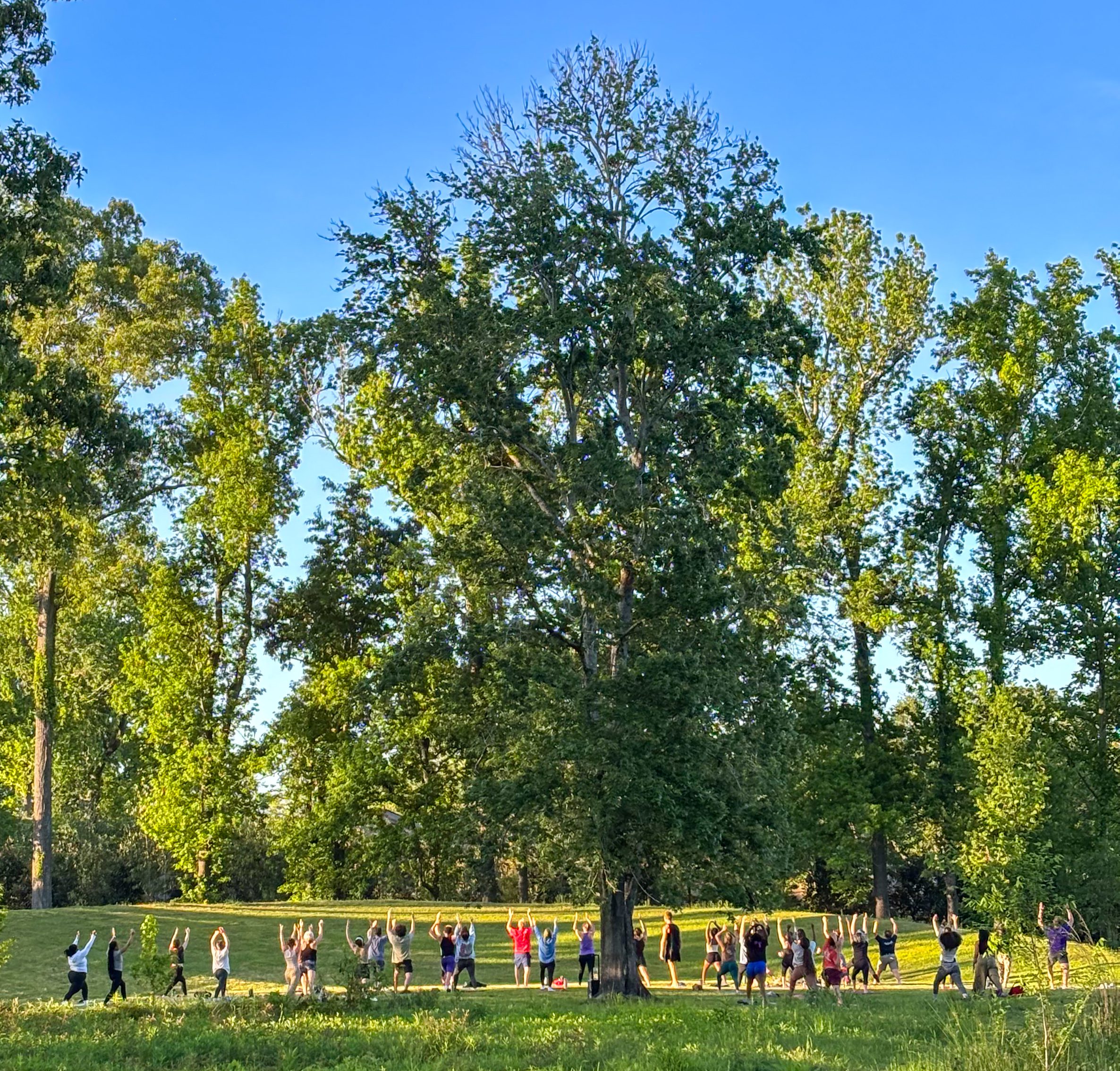
At Hilltop Arboretum, the grounds are open to the public free of charge from sunup to sundown, seven days a week. To provide even more ways to interact with the landscape, the arboretum recently introduced an Art & Wellness series with programs like yoga, honey tasting and wildflower pressing.
The idea is to provide a creative space to educate, engage and immerse visitors so they feel connected to the web of life. The ultimate goal is to continue founder Emory Smith’s legacy and fulfill his mission, something he summed up best in his memoir by saying:
“I have hoped that those who follow these paths find the strength and confidence and security that has come to me from walking with nature. I have learned that I must find life’s truth, life’s purpose, and its mission in that part of the world close to me.”
This article was originally published in the July 2026 issue of 225 Magazine.


