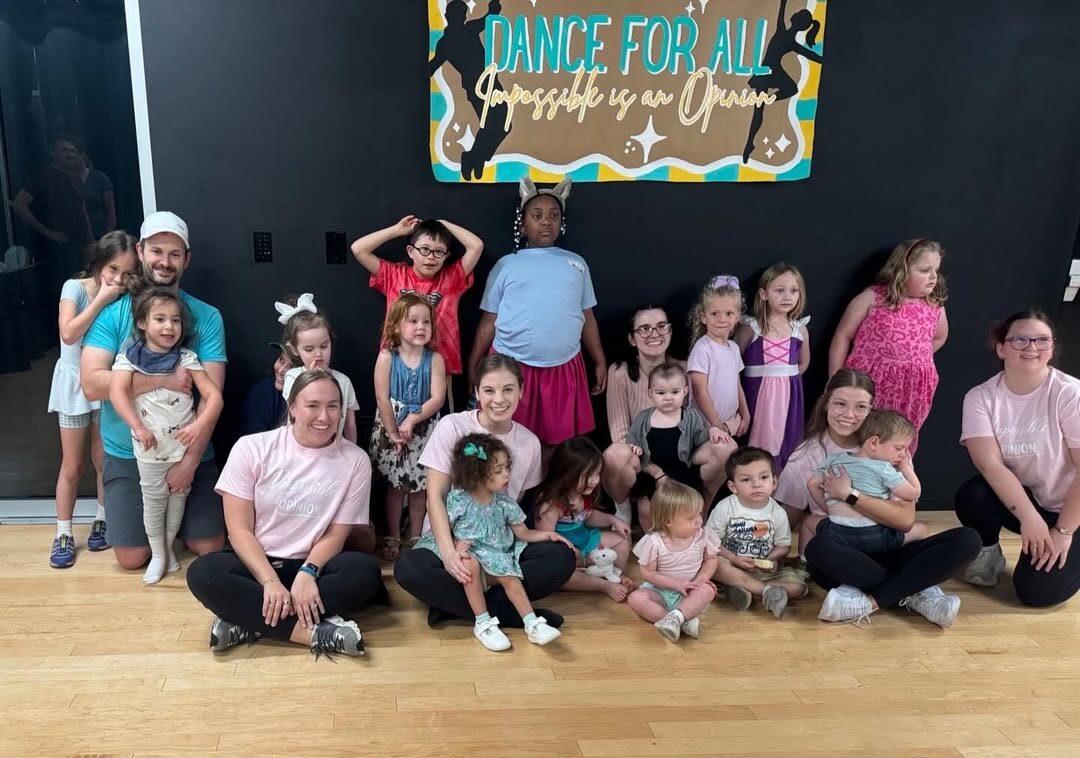
This program redefines dance access for people with disabilities
Unlike most dance programs, Dance For All does not focus on perfection. It’s geared towards encouraging interaction between peers, rather than making sure the students’ technique is flawless.
“We really just focus on having the kids feel some sort of normalcy with kids that are like them, and they don’t really get to experience that very often,” says Kaitlyn Odell, a class instructor at Dance For All.
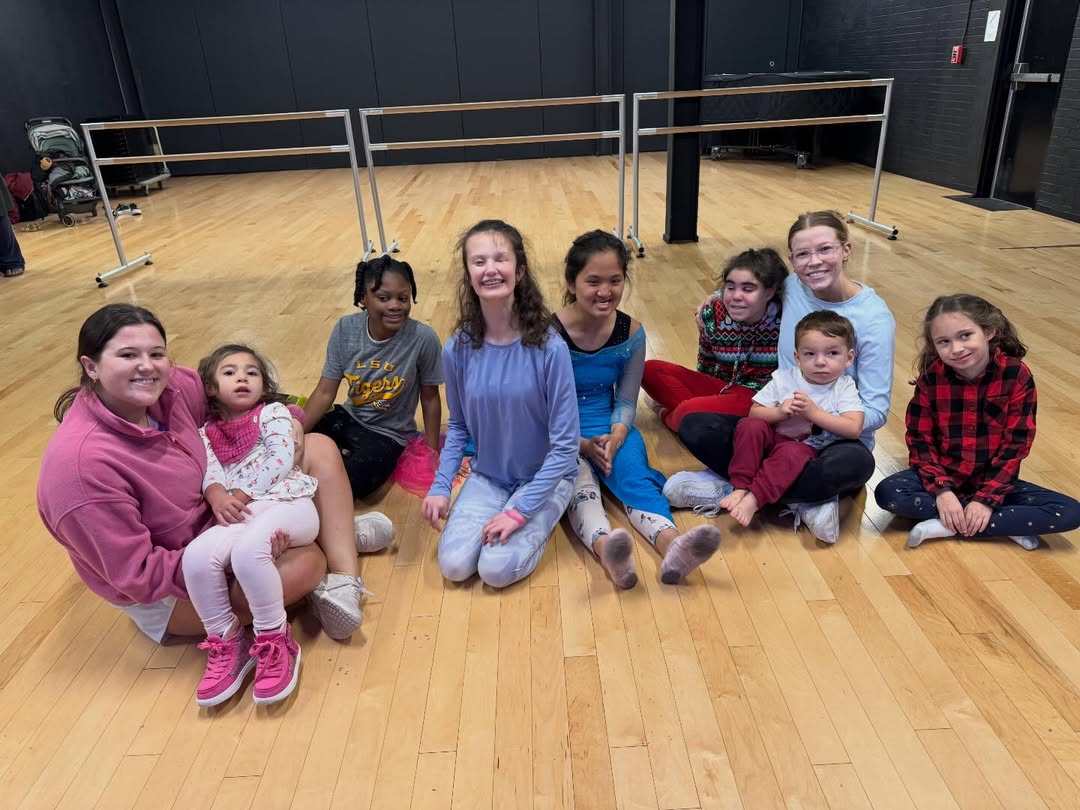 Dance For All aims to make opportunities available to those with disabilities or limited access to the art form. The program brings professional dancers, teachers, occupational therapists and physical therapists together to teach affordable, often free, dance workshops and courses to dancers with cognitive, social and/or physical disabilities.
The program was created in 2021 when it held its first informational session at the Louisiana Arts Summit to address accessibility around dance. After the session, awareness spread and gained the attention of the Arts Council of Greater Baton Rouge and even the Nashville Ballet Company, which hosts accessible dance programs for the community. Funded by the Pennington Family Foundation and led by the Arts Council, the dance program now offers classes at the Cary Saurage Community Arts Center and other locations throughout the city.
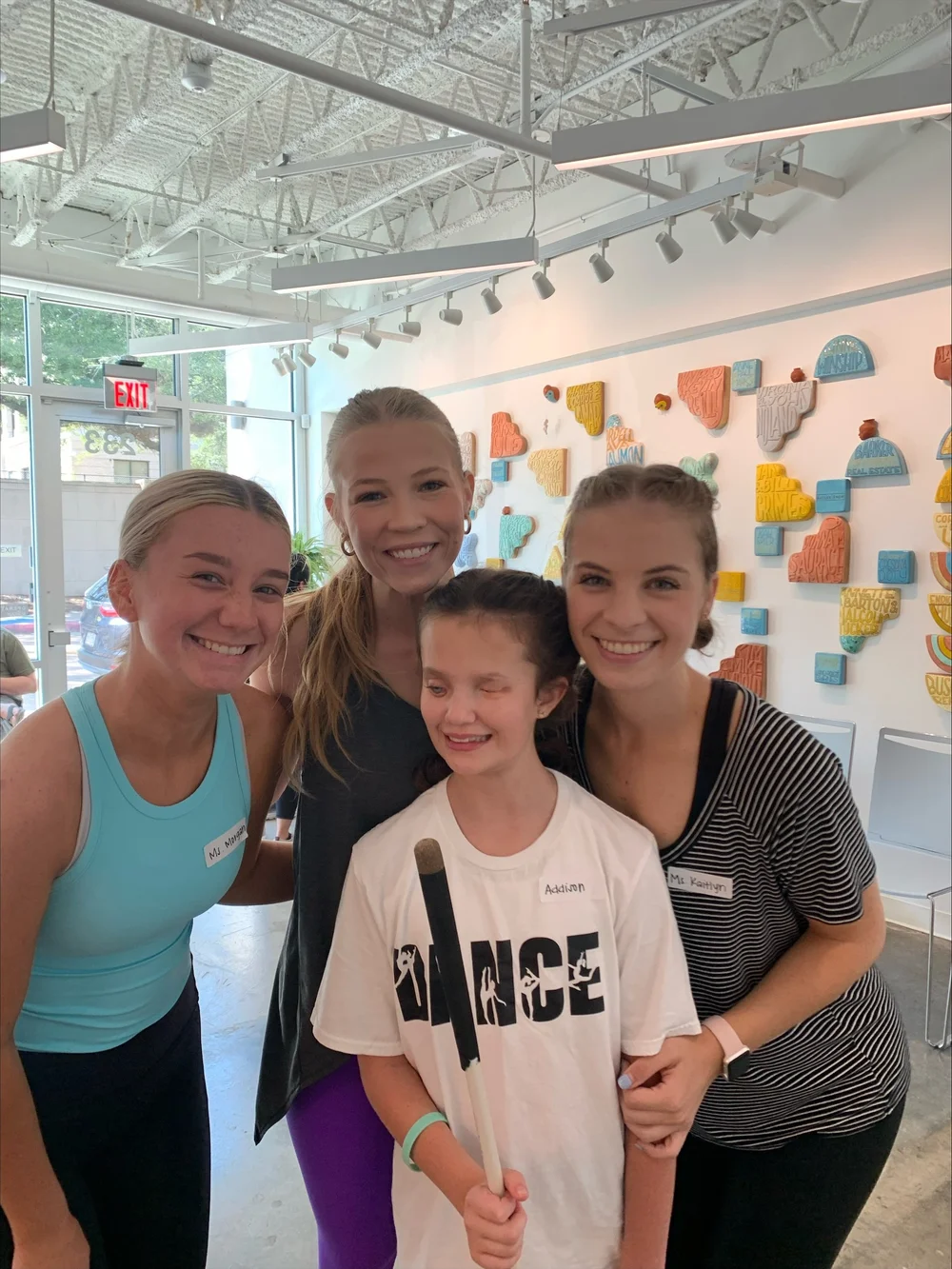 “We believe that impossible is an opinion, and we believe that dance is a universal art form,” Odell says.
Odell has been an instructor at Dance For All since 2023 and has been a dance instructor for eight years. She has been training and competing in all styles of dance for 14 years. As a leading figure in launching the adaptive dance classes designed for children with unique physical, social and cognitive needs, she says she has witnessed significant growth in the program.
“We strive to meet kids, teens and young adults where they are, regardless of their age, their ability or what they’re facing in life,” Odell says.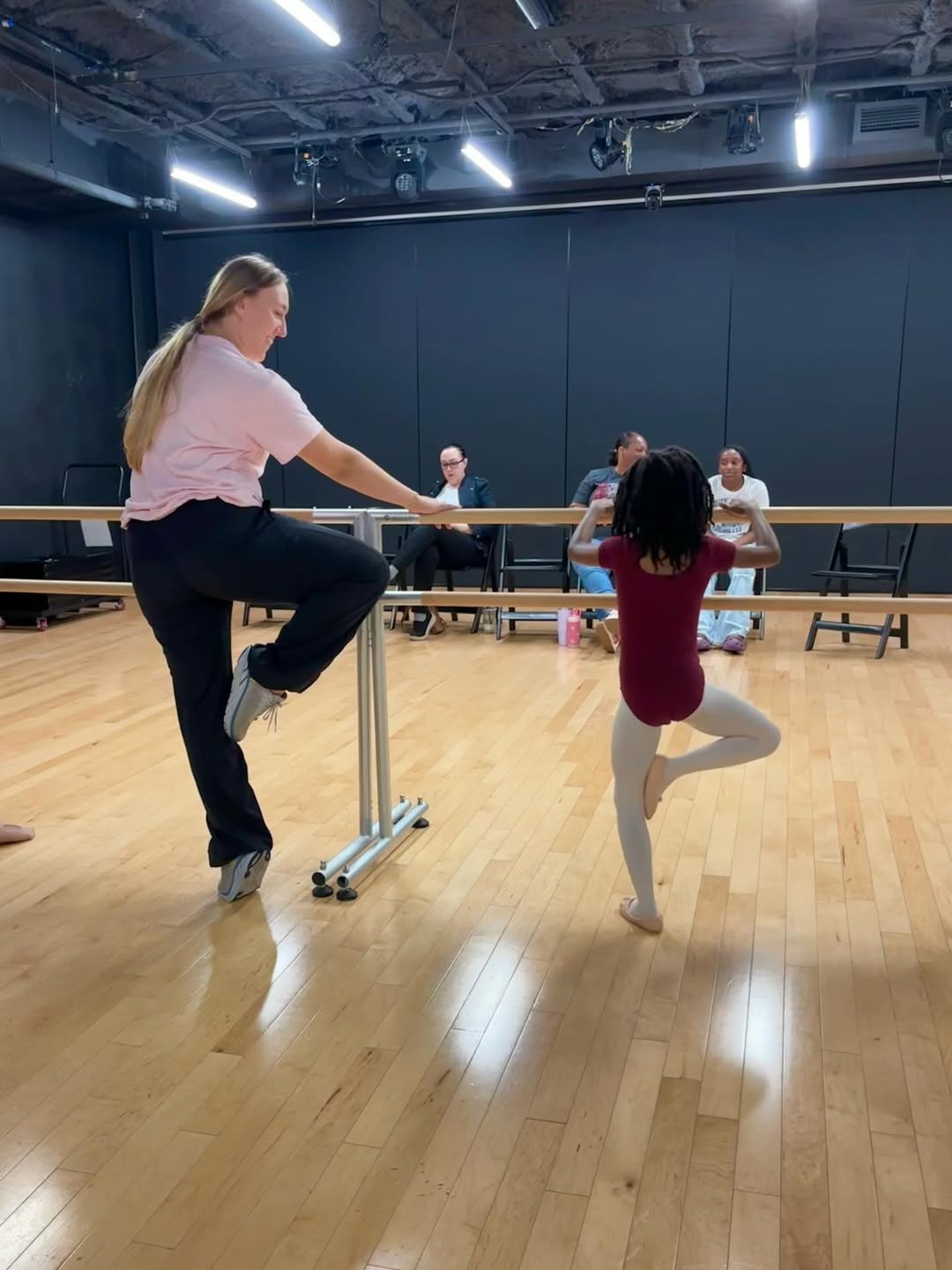 She believes words, music and complete control over your body are not needed to participate in dance classes, which makes every class look different for every student. A large, open studio ensures plenty of space for students with visual impairments, and multi-sensory tools are used when teaching. Students who also need assistance throughout the class have a parent, guardian or teaching assistant by their side.
“We’re using our sight, our touch, hearing, and we’re also using a universal form of communication,” Odell says. “So we say what we’re going to do, we sign what we’re going to do, and we show what we’re going to do before we actually put the kiddos into action.”
The dance studio is filled with trained instructors. Odell holds dual degrees in biological engineering and kinesiology with a minor in dance from LSU and is currently pursuing her doctorate in physical therapy at LSU Health Sciences Center in New Orleans. There is a licensed occupational therapist on staff, and all of the assistants are either in school or planning to attend school for therapy, social education, special education or medicine. 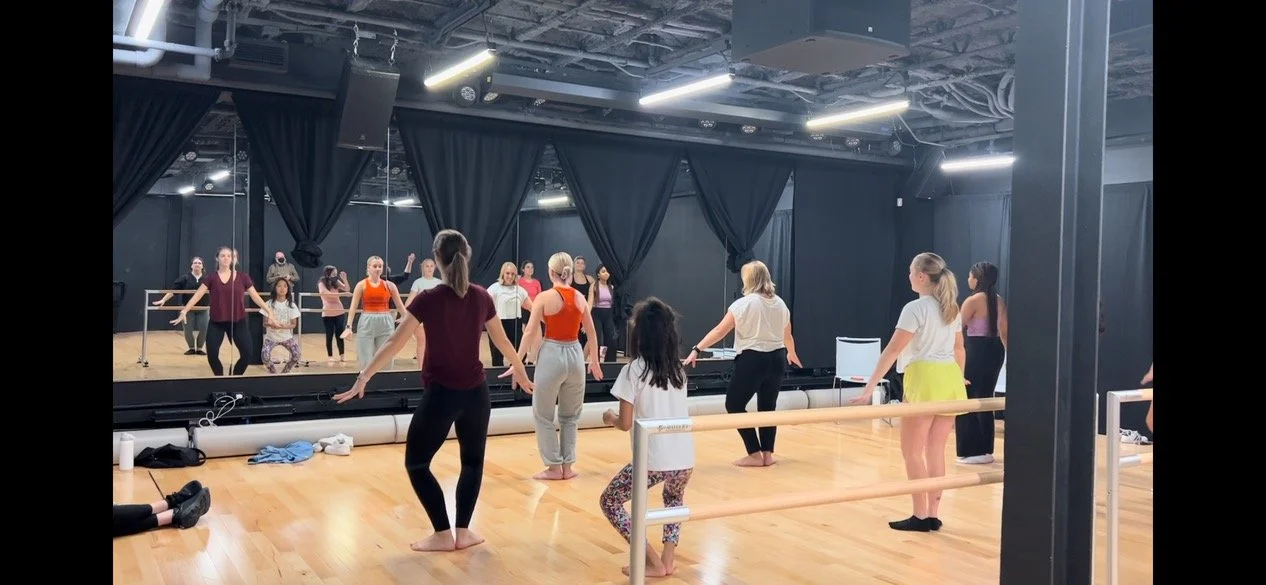
In a typical class, students first sit in a circle or line, depending on their ages, and introduce themselves to the class. Afterward, they sing an engaging song that initiates the start of the class. Whether it’s “Wheels on the Bus” or “Wake Up Toes,” the songs get the kids ready to move.
“If we’re noticing some dysregulation in the class or some extra activity happening, we might do some animal walks to kind of calm our sensory systems and recenter our nervous systems,” Odell says.
The students begin dancing with ballet and across-the-floor exercises. Then they transition into rhythms. With tap shoes on, the students stomp and clap, following along to the music. The choreography uses the upper and lower body, with accommodations made for those who cannot move certain parts of their body or those who begin to feel overstimulated.
“Week after week, I can see it on their faces. They’re more and more excited to experience what we’re going to do that day. They’re more confident on their feet. They’re taking bigger steps. They’re interacting with other kids in the class that they maybe didn’t before. They’re using their voices more,” Odell says. 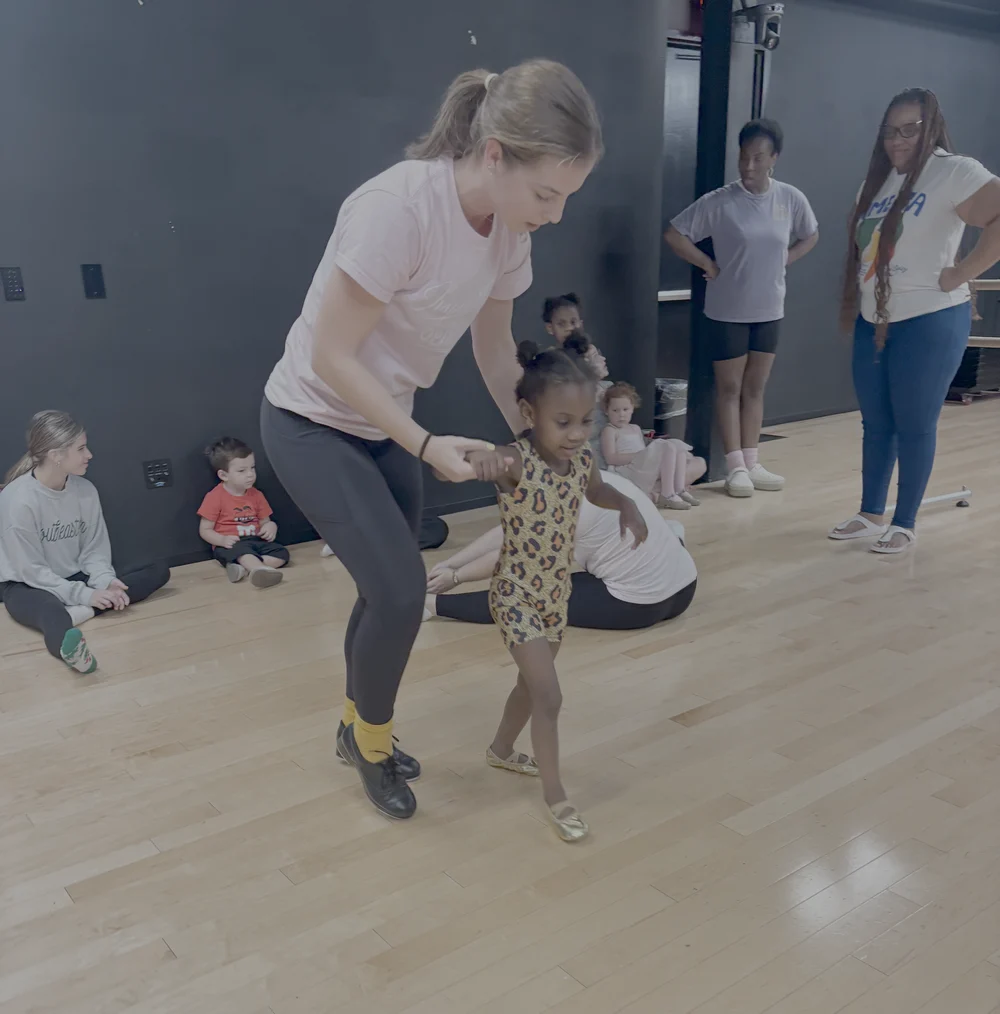
The progress Odell and the other instructors witness in the 45-minute dance classes carries into the community, school, classrooms and even family gatherings. The instructor encourages any parent thinking of enrolling their student in Dance For All to come to a class to participate or even just watch.
“It’s been amazing,” Odell says. “I’ve learned so much from the kids, from the instructors that we have, and from the parents. Seeing the joy on their faces is probably my favorite part.”
To learn more about Dance For All, head to the Arts Council of Greater Baton Rouge’s website. The program’s spring session will continue into April.