Since 2005, store owners have adapted to an ever-changing retail landscape
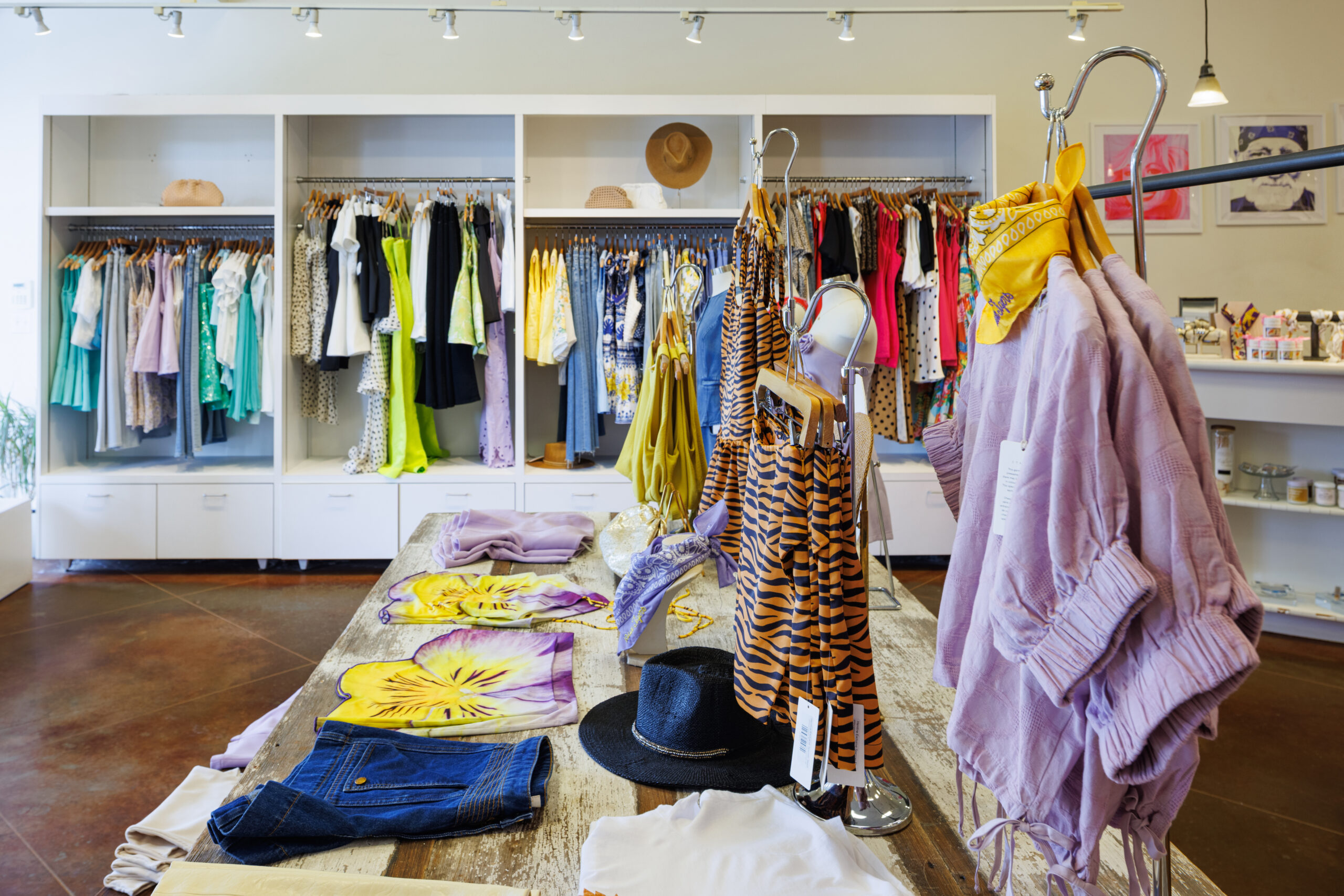
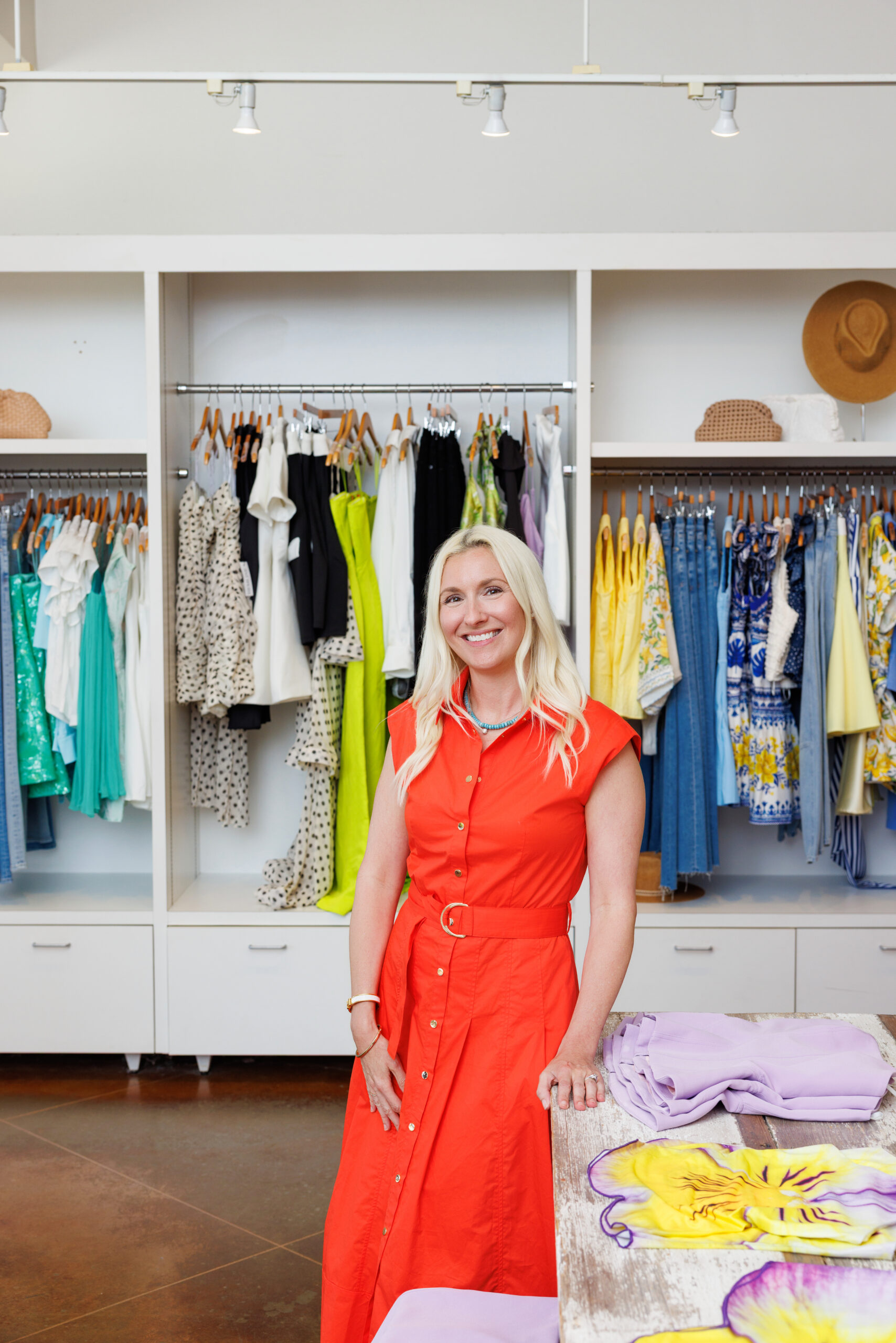
Muffy Leblanc has been around the block once or twice. The boutique owner has been in the biz for 27 years, 25 of which have been with local women’s clothing boutique Hemline. Her store in Towne Center just had its 10-year anniversary.
Hemline was conceptualized in New Orleans in 1994 and has since grown to more than 30 locations across the South. Its first Capital Region location debuted in 2005 as Hurricane Katrina was reshaping the city. It was part of a wave of Big Easy businesses that opened outposts in Baton Rouge in the aftermath of the storm, with restaurants like Galatoire’s Bistro and boutiques like Chatta Box serving displaced residents.
LeBlanc was born and raised in the Crescent City but has called the Red Stick home since evacuating that year. And looking back, she says the hurricane equipped her for other obstacles.
“I think Katrina taught us a lot about how to handle COVID,” she says. “You have to take everything day by day.”
By the mid-2010s, most boutiques were dabbling in social media. But the pandemic really changed the game in 2020, as owners had to pivot to selling almost entirely online during lockdowns.
“Social media helps us reach customers,” LeBlanc says. “We didn’t have a strong online presence before COVID.”
Hemline’s inventory is now fully shoppable on its website, which offers shipping or store pickup.
Social media has also facilitated a recent rise in online-only shops that operate without brick-and-mortar locations. For Tia Whittington, owner of H Kyle Boutique, content creation is everything. She started her business online in 2013 and moved into a Gonzales storefront in 2015. Last March, she made the transition back to virtual operations—and loves it.
“People are ordering online for pickup in-store, so let’s just do away with the storefront model,” she says.
Whittington has noticed her audience’s content preferences shift from curated to genuine, and she makes an effort to be authentic. Recently, she’s been wearing pieces from her shop each day to create posts. Customers seem to prefer seeing
her try things on rather than perfect photo shoots of the pieces, she says. She doesn’t sell anything at her boutique that she wouldn’t personally put on her body.
“Our life revolves around social media,” Whittington says. “I find it’s the same for retail.”
Authenticity is one of the biggest reasons locally owned boutiques stay relevant, even as they face steep competition from online retailers and big-box stores like Amazon, Target and Nordstrom.
“We can get so much more personal,” LeBlanc says. “We’ve built trust with our customers. They know that they can walk in and get an honest opinion, and I don’t think they’ll ever turn away from that.”

Will Aguirre’s menswear store, Carriages Fine Clothier, has been around since the ’80s. He says it thrives in an environment where men care about what they wear; Mardi Gras, sports games and other events keep them style-conscious.
“It’s the people, the relationships and the opportunity to go into a store and feel and touch and try on,” Aguirre says. “Really, having the opportunity to work with someone who can help you on a personal level is what makes us and other boutiques special.”
So what’s next for local retail? It’s hard to say if entrepreneurs will face a moment as life-
altering as Katrina or COVID anytime soon. But in the meantime, the trends are still cycling. Whittington says she’s a firm believer that fashion cycles back every 10 years.
“We’re back into prints now,” she says. “But leopard print never goes out of style for me.”

Despite seeing a rise in popularity in branded clothing over the last 15 or so years, Aguirre predicts a move away from logos. “While people are still very label-conscious,” he says, “things are certainly cleaner these days.”
As for LeBlanc, she’s happy to see that retro styles, like Jennifer Aniston’s denim vest from Friends, have made a comeback.
“It’s nice to see how people revamp and modernize it,” she says. “I kind of want to wear it again.”
This article was originally published in the November 2025 issue of 225 Magazine.