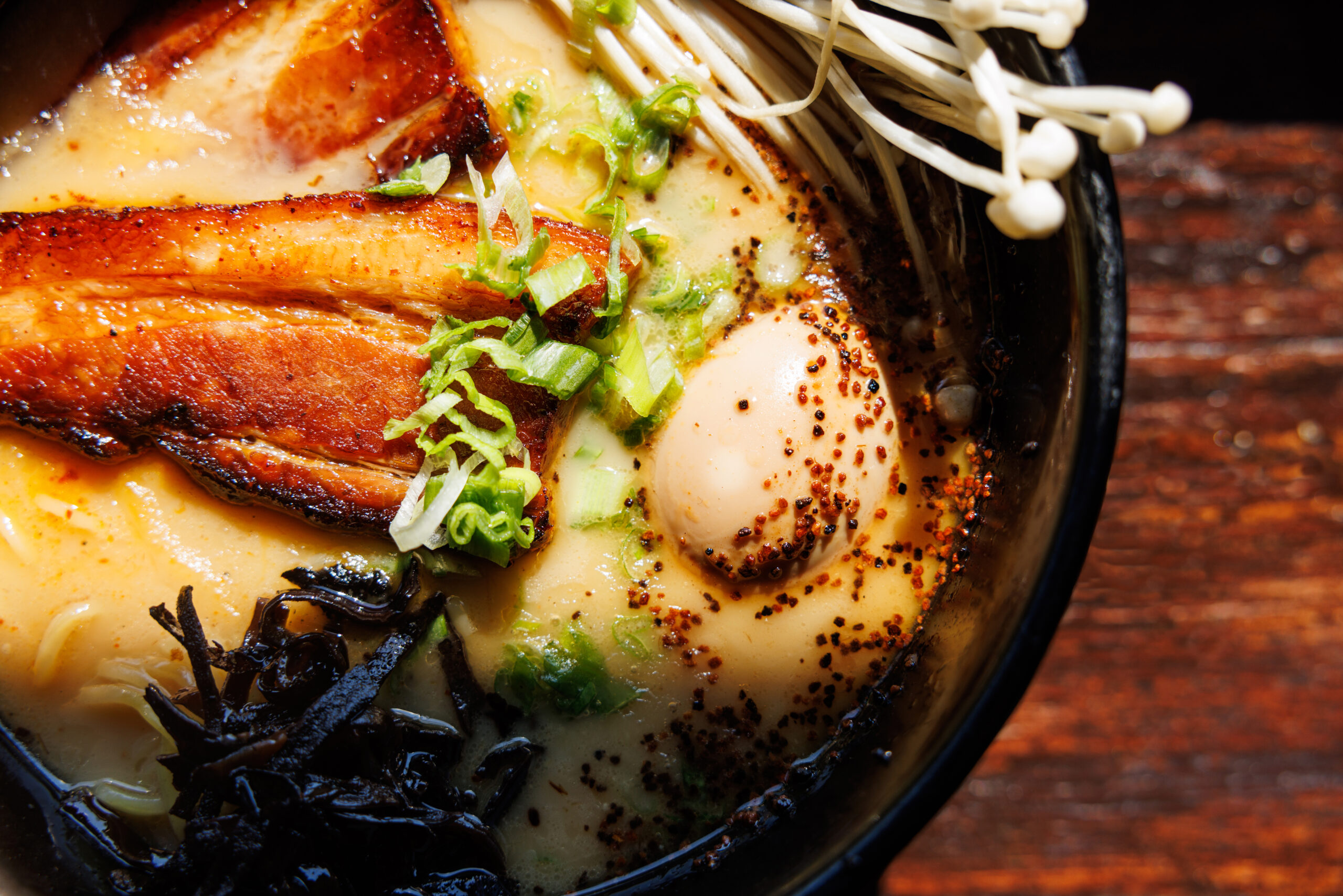
Nearly a decade ago, Cocha and Chow Yum were some of the first to explore inventive, internationally inspired trends
With fusion menus and innovative ideas, these restaurants have given the local food scene a jolt ⚡🌎
Jordan Ramirez has made a business out of breaking the rules—culinarily speaking, at least. In a town where most international restaurants once tended to stay in their lanes, Chow Yum hasn’t let its Asian cuisine foundation limit what’s possible on the plate.
“We don’t tend to do anything traditionally, so we aren’t bound by what people expect of a certain dish,” says Ramirez, owner of the 6-year-old Perkins Road Overpass District restaurant.
An Asian noodle dish takes inspiration from Italian carbonara with pancetta and Parmesan swirled into spicy gochujang sauce. A bao bun can feature a pork belly and kimchi filling, or southern hot honey chicken, or maybe even slow-cooked birria beef spiked with lemongrass.
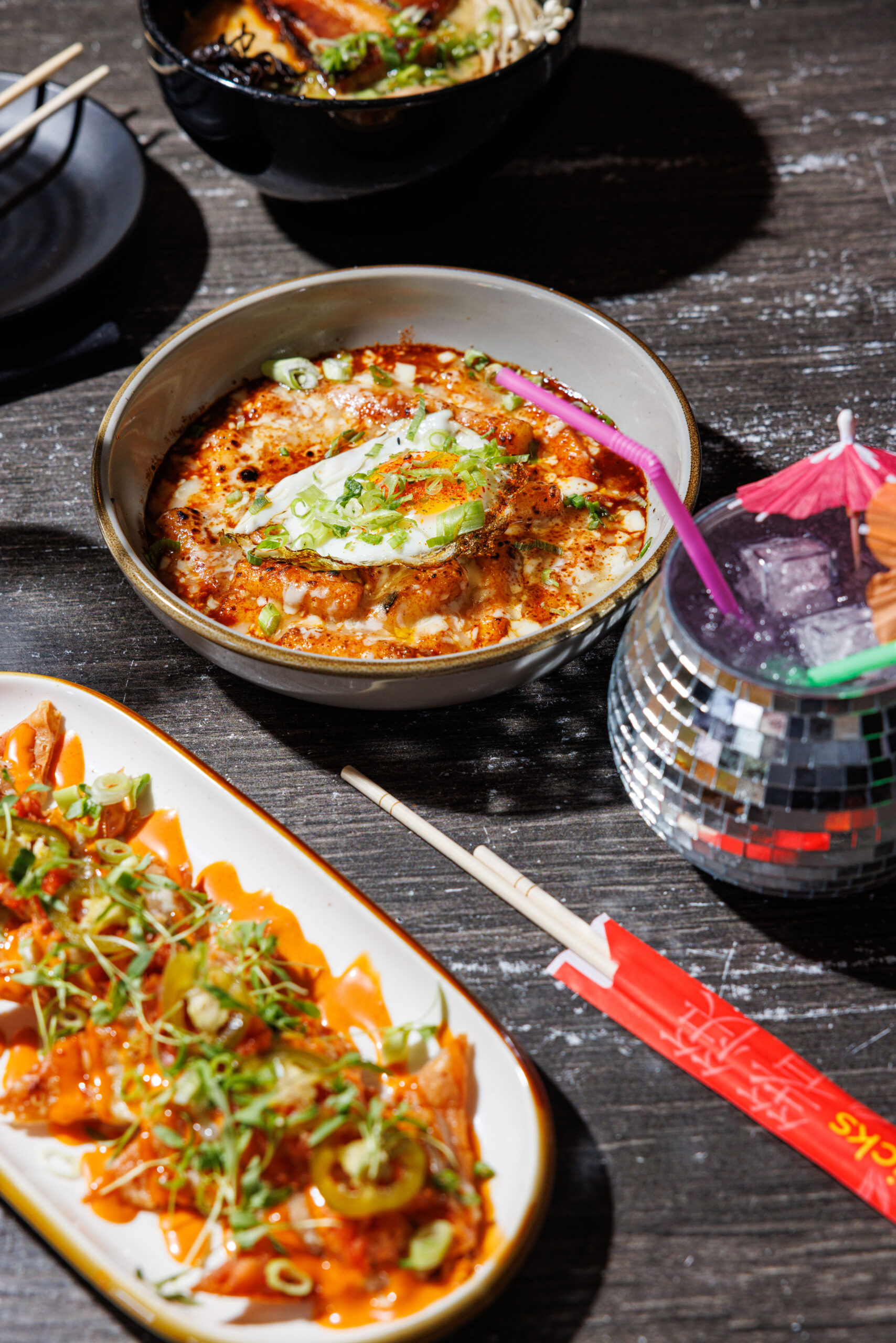
That fusion made Chow Yum a standout when White Star Market opened on Government Street in 2018. Even among the varied options at the now-defunct food hall, Ramirez’s concept with then-co-owner Vu “Phat” Le was a showstopper. It was also one of Baton Rouge’s first introductions to spicy ramen bowls.
“At the time, there really weren’t many ramen options here,” Ramirez recalls. “People’s knowledge about Asian food was not as extensive as it is now. There was a much different food vibe.”
Indeed, just two years prior, Saskia Spanhoff and Enrique Pinurea were thinking the same when they returned to the Capital City to open their own restaurant downtown. Cocha aimed to showcase a variety of international cuisines as well as ideas the couple picked up from years working in California restaurants—ideas they wagered could give the local food scene a jolt.
“Baton Rouge has a lot of old-school places that I’ve always loved, and they are very endearing,” Spanhoff says. “But when we came back and looked around, there weren’t a lot of options for people who might have different dining lifestyles or dietary restrictions.”
Cocha highlights fresh ingredients found at the nearby Red Stick Farmers Market in offerings ranging from cachapa, a Venezuelan corn cake topped with slow-roasted pork or jackfruit, to salmon belly rillette, a classic European dish with poached and smoked salmon and toasted rye bread.
The beauty of a restaurant without rules is the ability to play with unique ingredients, adjust to customers’ tastes and pivot with trends. At Cocha, that’s allowed for chef-curated wine dinners to test out new dishes. At Chow Yum, Taco Tuesdays and seasonal Viet-Cajun crawfish have been popular ventures that also let the kitchen team have some fun.
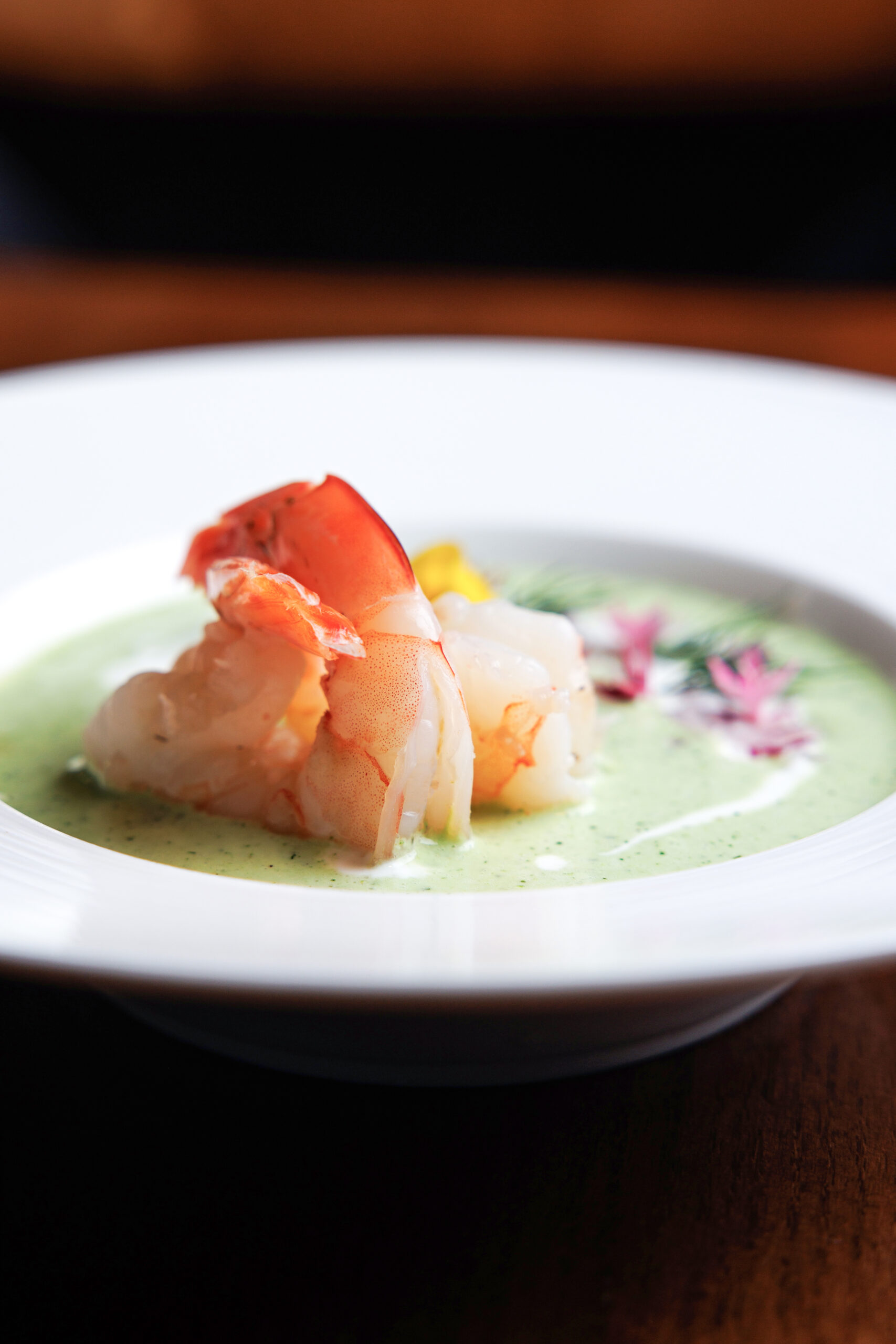
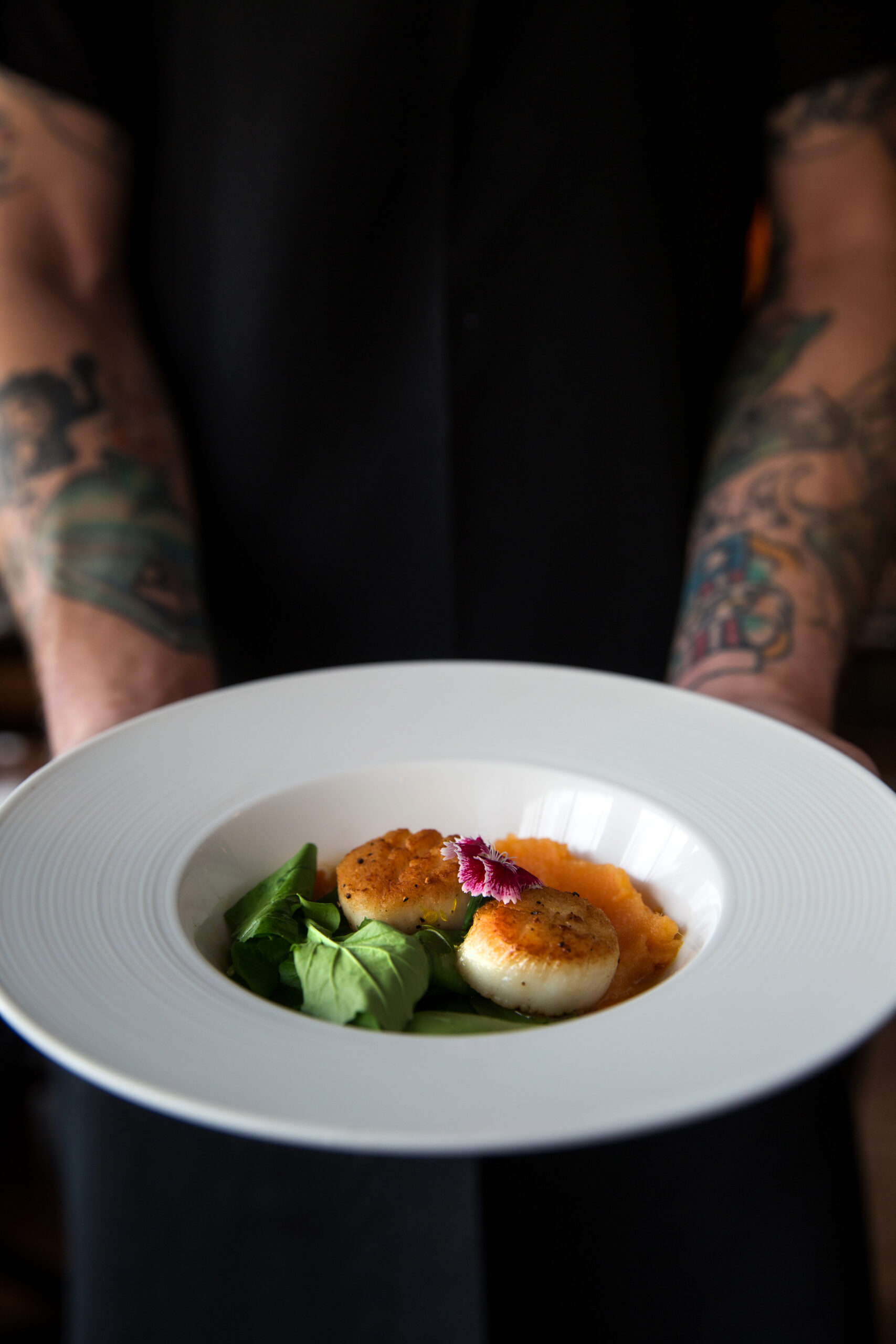
And Baton Rouge’s food palate has become all the more expansive and colorful for it. Globally influenced menus have since popped up at places like The Colonel’s Club, Proverbial Wine Bistro, BLDG 5, the refreshed MJ’s Cafe and elsewhere.
Still, despite their far-flung points of inspiration, both fusion restaurants feel like they’ve been part of their respective neighborhoods for decades.
Cocha has become a happy hour hangout for the downtown business crowd, and its weekend brunches are a classy affair. Spanhoff and Pinurea are almost always seen chatting at tables and smiling when they hear regulars refer to it as downtown’s version of TV’s Cheers.
The pair has also taken an interest in civic involvement. They’ve hosted block parties to support local arts organizations and pushed for more beautification downtown. They’ve also purchased the corner building across Sixth Street with plans for an events space.
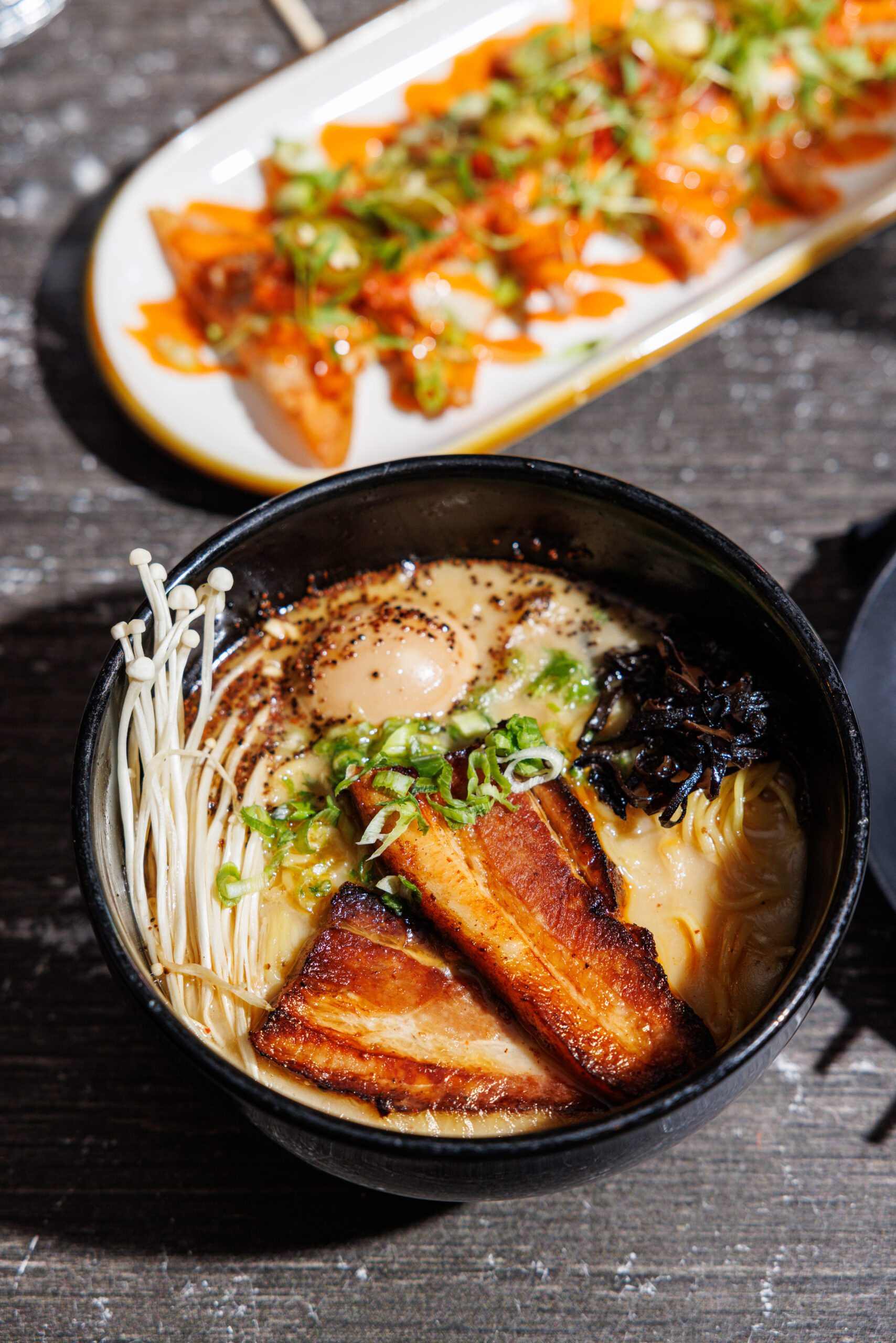
Similarly, Chow Yum has become a favorite dinner spot for young professionals and groups of friends slurping up spicy noodles before a night out.
Ramirez has watched the Overpass area evolve around the clunky concrete pillars of the freeway overhead, and says an increase in foot traffic and attempts at beautification make him hopeful it will remain a bright destination despite the shadow of interstate expansion.
“I like to think we’ve helped to create a cool vibe in this area,” Ramirez says. “We are a staple now and we’ve been able to do something different and have fun with it. By doing that, we were able to establish ourselves as a fixture in Baton Rouge and our neighborhood.”
These articles were originally published in the September 2025 issue of 225 Magazine.