A status update on LSU and Southern’s journeys to medical marijuana
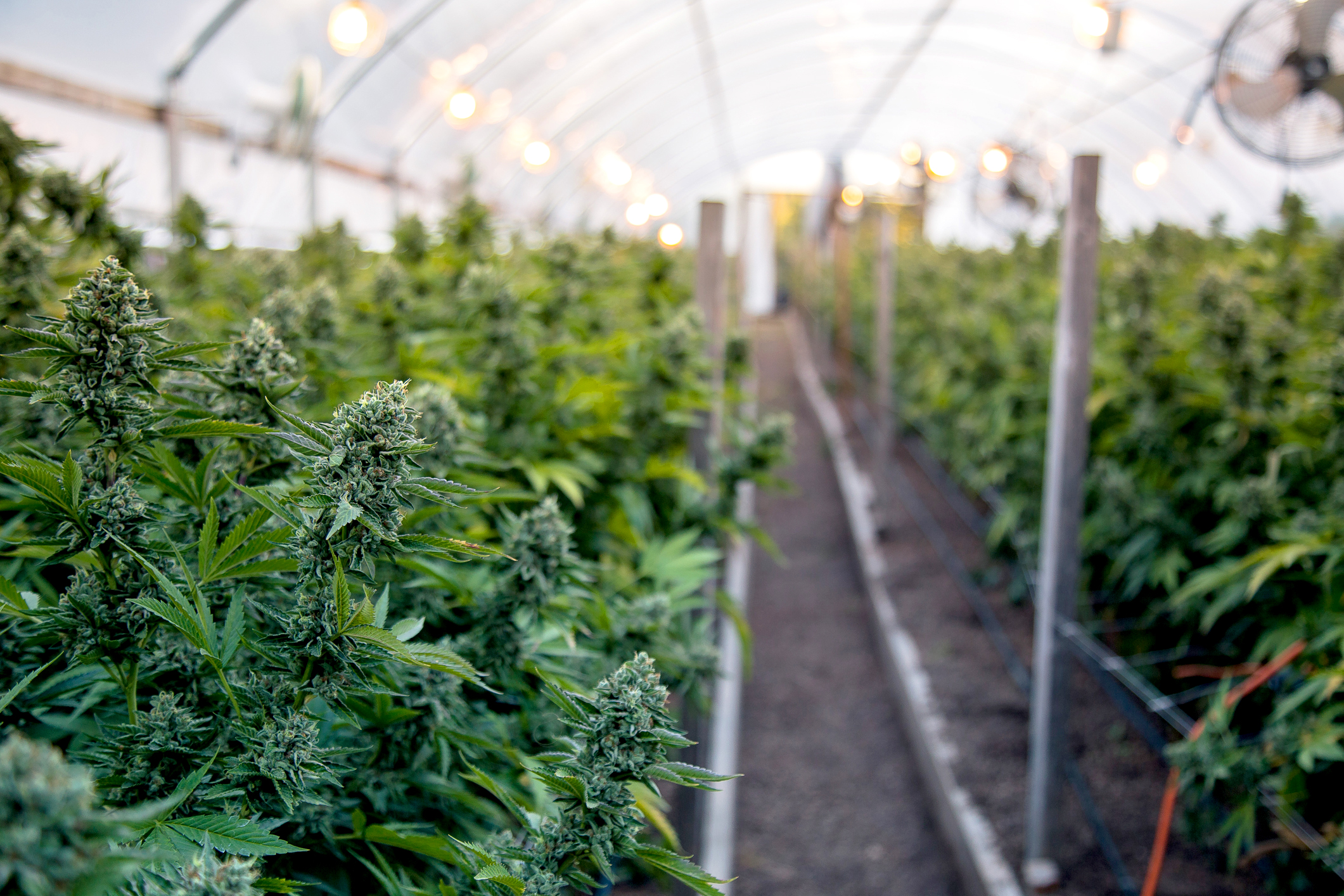
Baton Rouge is home to the only two universities in the state with agricultural centers licensed to grow medical marijuana. In 2015, the state legalized the cultivation, production and use of medical marijuana and awarded LSU AgCenter and Southern University Agricultural Center licenses to produce the plant—off-campus, of course! Since then, the universities have dealt with lots of paperwork, contracts with producers, construction and inspections. A small amount of LSU’s product is expected to hit dispensaries later this year after some regulatory hiccups, with more full-scale operations coming in 2019.
Here’s a breakdown of the medical marijuana movement in Baton Rouge.
WHERE ARE THEY NOW?
LSU
• September 2017: The LSU AgCenter finalized its contract with GB Sciences, a Las Vegas medical marijuana company.
• April 2018: The city approved a permit to turn the former Pepsi distribution center on 18350 Petroleum Drive into a facility for growing medical marijuana.
• The product should be available in dispensaries in the fourth quarter of 2018, according to the LSU AgCenter.
SOUTHERN UNIVERSITY
• Southern University has had a slower start. It signed a contract with Advanced Biomedics in May, despite legal disputes at the time between two owners of the company in a Lafayette court.
• In May, the university issued a statement that the product should be available in early 2019.
THE GROWING PROCESS
Ashley Mullens, coordinator of LSU AgCenter’s Therapeutic Cannabis Program, took us through the steps of how the plant is made into medicine that can be dispensed in select pharmacies. The entire process takes about 16-18 weeks.
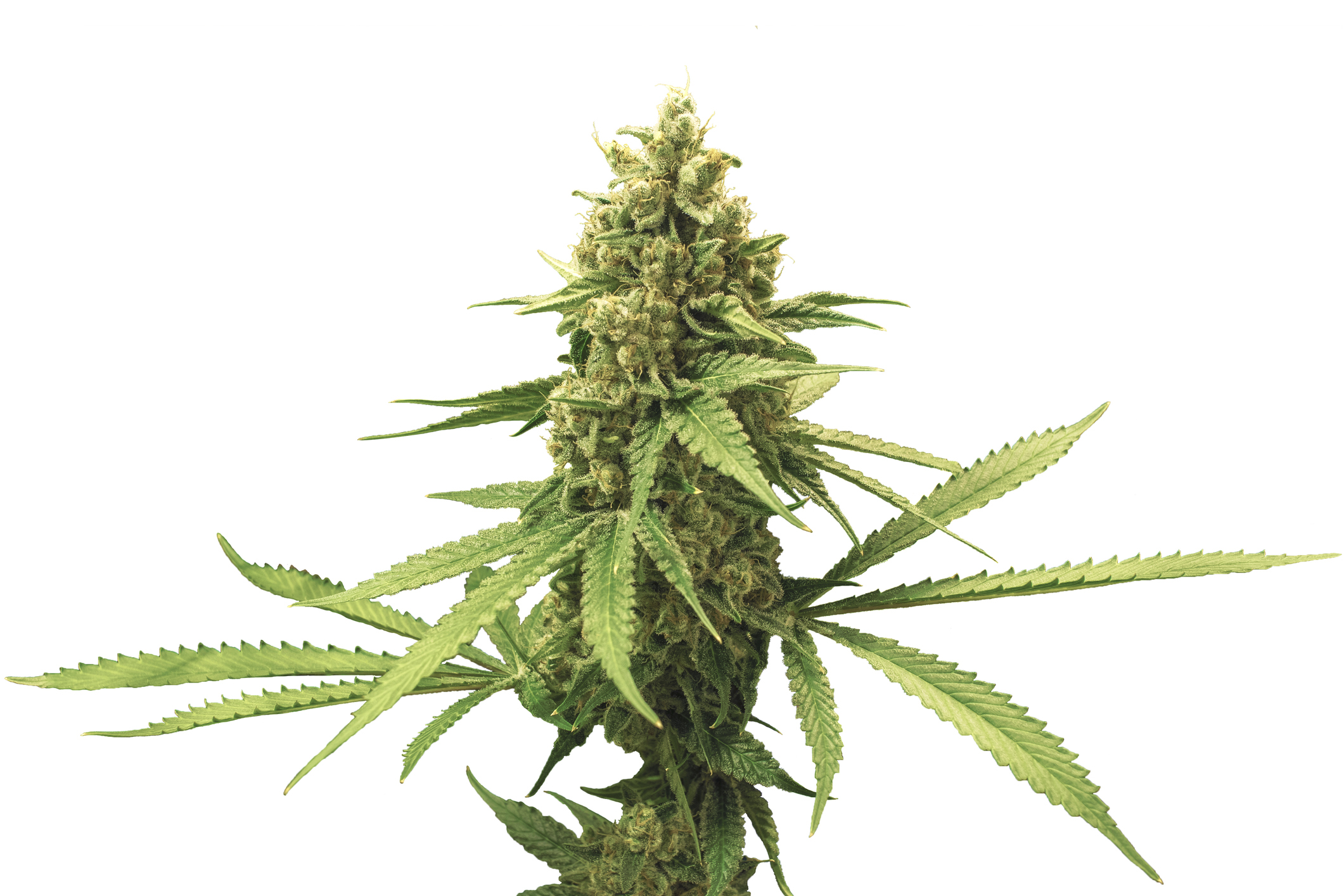
1. The medicinal marijuana plant is grown from microscopic tissue cultures. It takes about 12-14 weeks to grow into a sizable plant.
2. Once the plant is large enough, botanists extract its oils. The oils are used to formulate medications that address specific needs of diseases eligible for treatment under Louisiana law. This step takes about two weeks. Mullens says LSU is still working on which forms—capsule, lozenge or liquid—the medicine will be available in.
3. After that, the AgCenter sends the product to the Louisiana Department of Agriculture and Forestry’s testing facility to make sure it is free of contaminants and pesticides.
4. Before the product is ready for shipping or transport to pharmacies, the AgCenter will also have to test the product to ensure it’s uniform so every pill packs the same dosage. This final step takes another two weeks.
THE PROGRAM EXPANDS
Gov. John Bel Edwards signed three bills into law that would expand the state’s medical marijuana program. One by Rep. Vincent Pierre, D-Lafayette, extended the sunset date of the state’s program (originally Jan. 1, 2020) to Jan. 1, 2025. “All of us were under the gun to prove to the citizens of Louisiana and the Legislature that this was a viable program in helping patients,” Mullens says. “I think we’ve all taken a deep breath now that the sunset date was extended.” The other two laws added to the list of conditions eligible for recommendation of medical marijuana.
Here are the current eligible conditions*:
• Cancer
• HIV/AIDS/cachexia or wasting syndrome
• Seizure disorders
• Epilepsy
• Spasticity
• Crohn’s disease
• Muscular dystrophy
• Multiple sclerosis
• Glaucoma
• Severe muscle spasms
• Intractable pain
• Post-traumatic stress disorder
• Parkinson’s disease
• Extreme behaviors on the autism spectrum, like aggressive tendencies and self-harm
*Bolded items are conditions included in the 2018 expansion
SOURCES: Media reports, Louisiana Department of Health and Southern University’s website
“I get daily phone calls from patients wanting to get off of all of these [other, often opioid-based] medications and hoping that cannabis provides them an avenue to do so. They’re taking 12 prescriptions a day every morning, so I hope for their sake that it does work, and I think that’s what we’re excited to figure out.” — Ashley Mullens, coordinator of the LSU AgCenter’s Therapeutic Cannabis Program, on the potential of medical marijuana to help curb the state’s opioid crisis.
This article was originally published in the September 2018 issue of 225 Magazine.