From the source
Cafeciteaux Coffee Roasters offers Baton Rouge a taste of the globe with its flavorful coffee beans
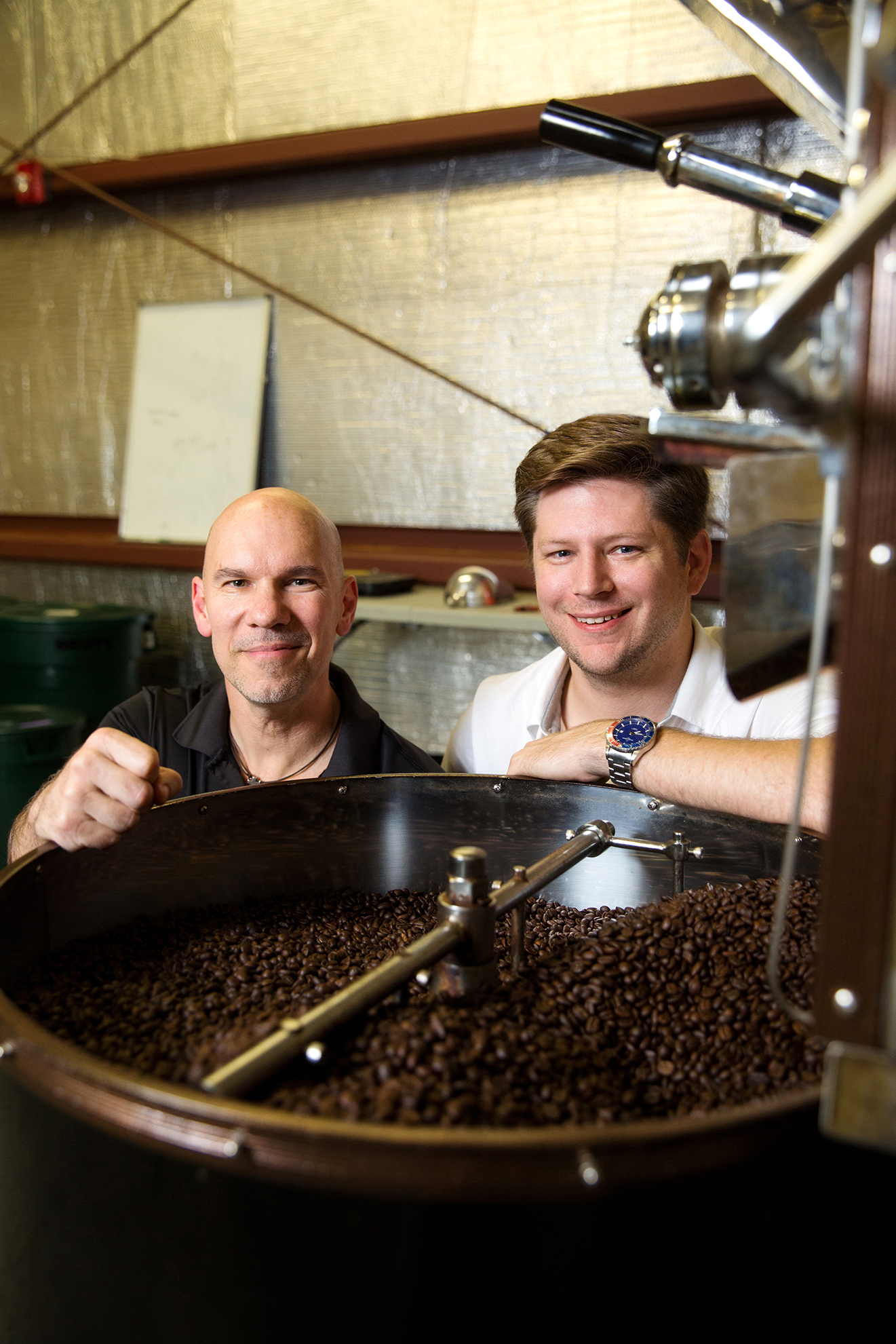
It all started with a 48-hour roasting session in a garage. Cafeciteaux co-founder Christopher Peneguy remembers spending those hours making bags of roasted coffee beans for Christmas gifts with friend and co-founder Stevie Guillory.
While Peneguy had made a hobby of brewing beer and distilling liquor, Guillory introduced him to coffee bean roasting. Guillory had ordered beans from Sweet Maria’s, a coffee bean supplier in California that sells packs of the still-green coffee beans to home roasters.
“We started roasting those, and it was better than anything we could buy around here,” Peneguy says.
After the first roast, the two friends were hooked.
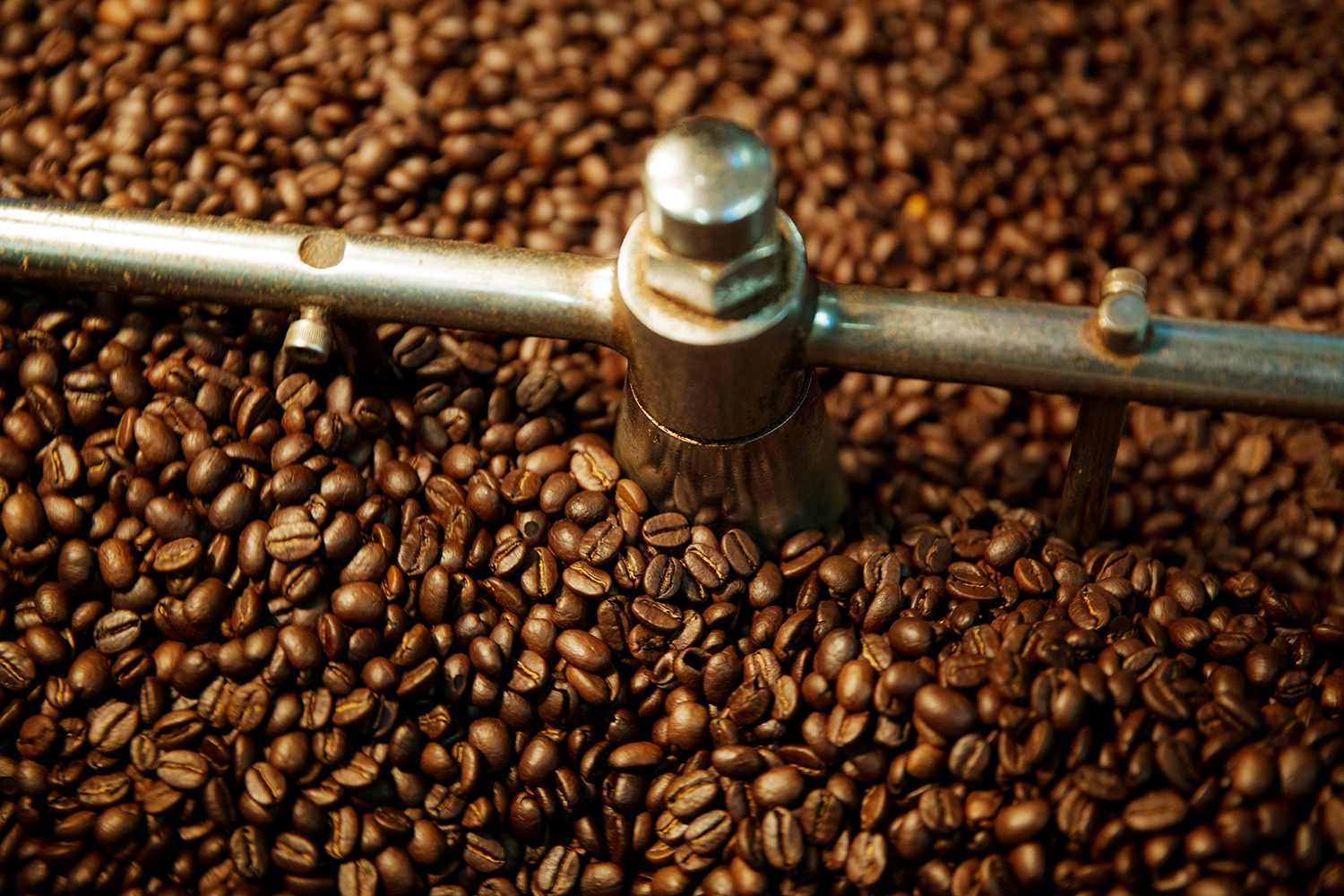
“We kind of just dove in feet first, without really knowing where to go with it,” Peneguy says. They bought a small commercial roaster, and Peneguy and Guillory spent six months learning its mechanics and how to properly roast coffee beans to their deep brown color and flavor. In July 2014, Cafeciteaux sold its first official bag of coffee beans.
Eventually, to make it official and meet health standards, they relocated to a warehouse on Airline Highway, where Cafeciteaux is located today.
Two things that make Cafeciteaux stand out, Peneguy says, are the attention to detail and the small roaster. Cafeciteaux carries beans from across the world, most sourced from South and Central America and Africa. It occasionally carries beans from Indonesia.
Sourcing the beans involves Peneguy and Guillory traveling to meet with farmers, or the pair outsourcing to coffee bean farmers all over the world, who do research for the company in their countries. The farmers travel to several farms and ship samples to Cafeciteaux.
With Cafeciteaux’s small commercial roaster, the pair is able to roast a substantial amount of coffee but change the heat and gas throughout the roast cycle to accentuate different flavors. “It’s a more distinct flavor, and on top of that … we’re able to trace our coffees back to the farm. I can tell you the guy that grew the coffee and who processed them, where they were processed—the whole trip, from origin to us,” Peneguy says.
Cafeciteaux uses the top 1% of coffee beans in the world based on green coffee bean quality scores. Peneguy says that means the beans are already a great base to start with, and 99% of the quality comes from the farmers’ hard work.
So what are some favorites they’ve discovered? Guillory likes the beans from Central and South America, while Peneguy prefers African coffee beans. “Just because they’re more lively,” Peneguy says of his choice. “There’s a lot more going on with them.”
But it’s Cafeciteaux’s Columbian beans that seem to be customers’ favorites.
And that customer base is spreading, with Cafeciteaux’s products available at Calandro’s Supermarket, Red Stick Spice Company, Alexander’s Highland Market and now even on Amazon.
Southern Craft Brewing Co. partnered with Cafeciteaux for its seasonal coffee oatmeal stout, and local food personality Jay Ducote turns to them to roast his Jay D’s Single Origin Coffee.
Places like the Overpass Merchant, Java Mama, Cupcake Allie, and The Big Squeezy all serve fresh cups of Cafeciteaux coffee, as well.
Peneguy says their next goal is to be in at least 50 retailers by the end of the year and introduce their beans to the New Orleans market. facebook.com/Cafeciteaux
This article was originally published in the June 2017 issue of 225 Magazine.


